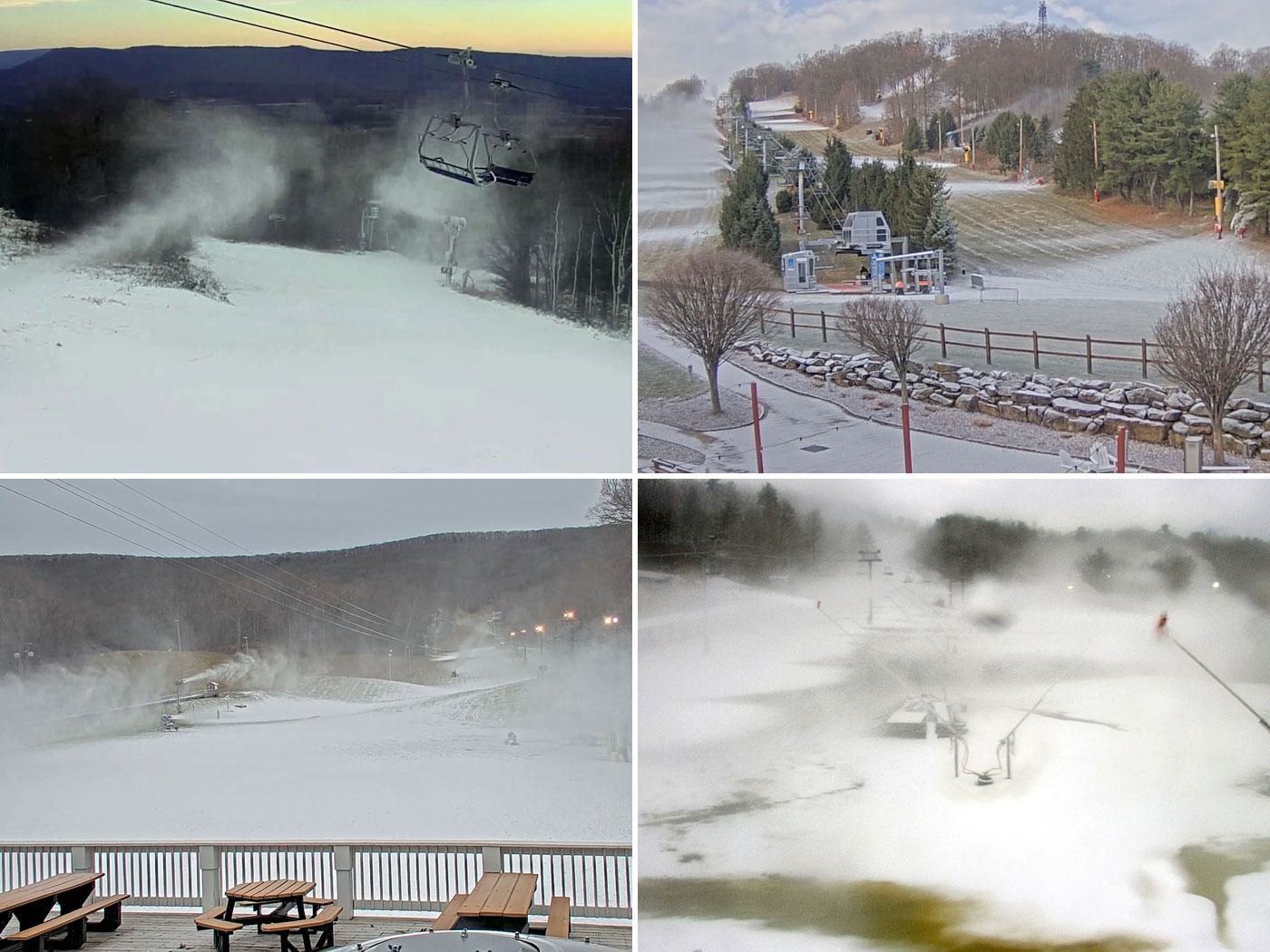
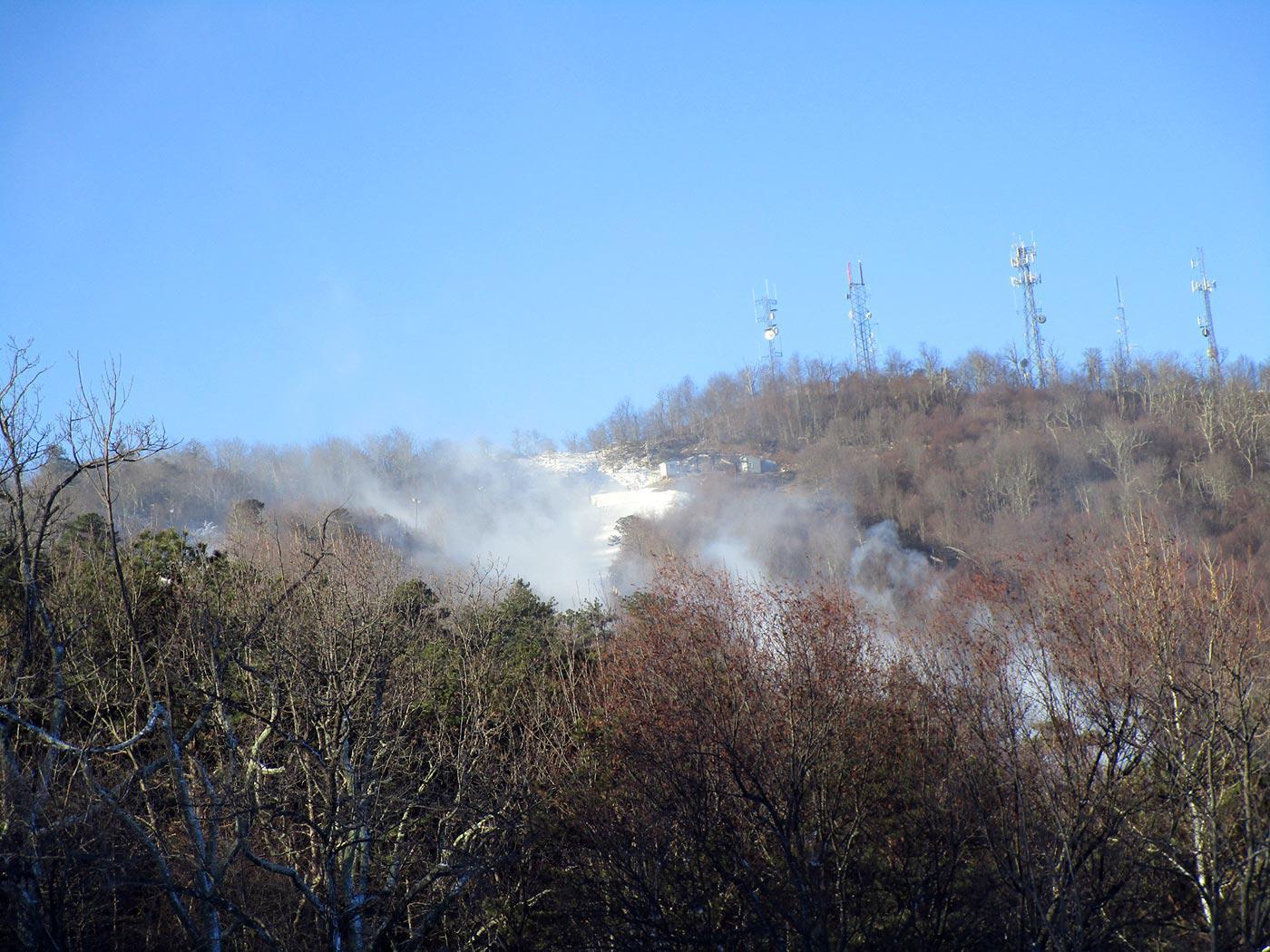
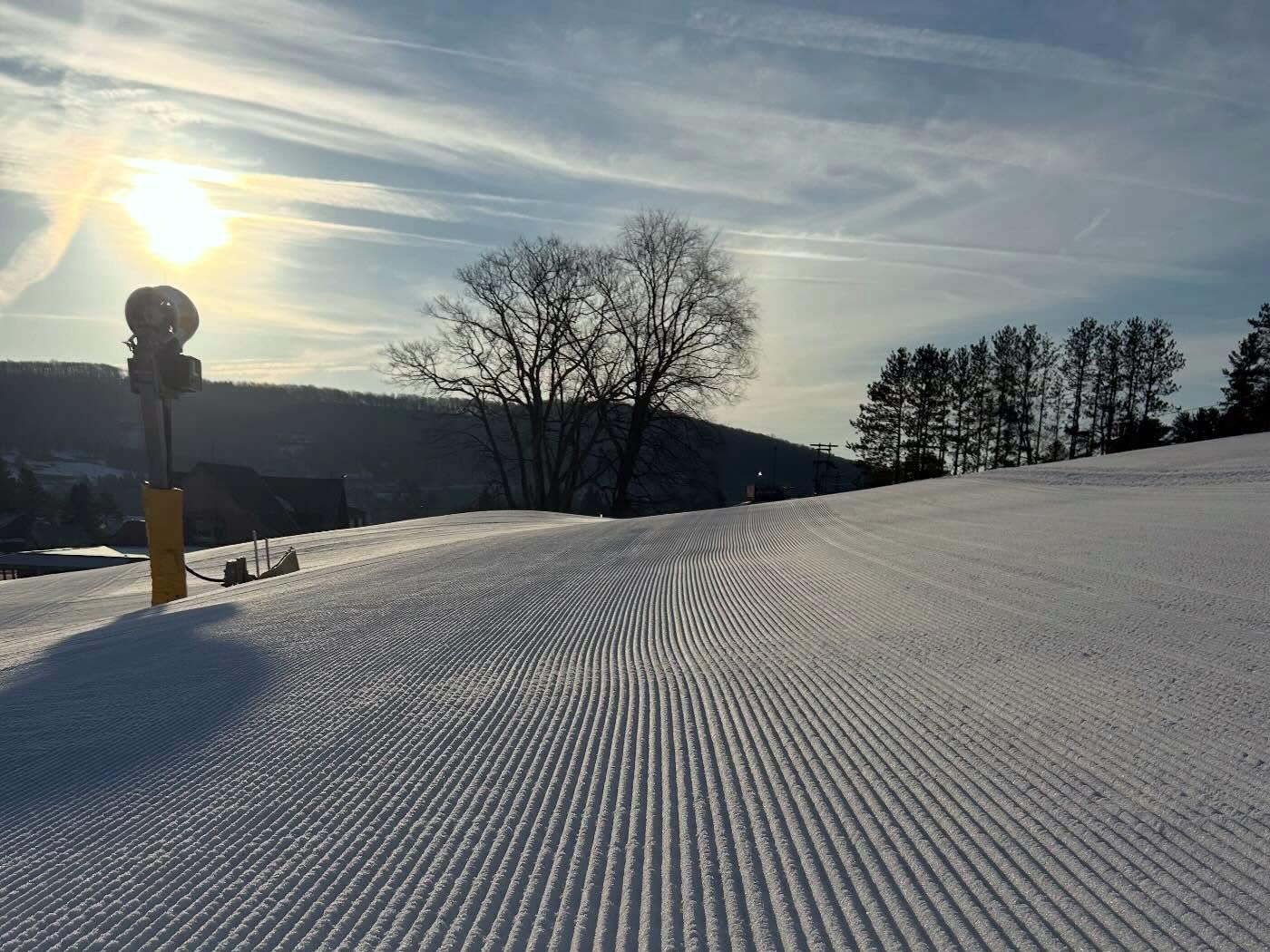
DCSki took a virtual tour of ski resorts from Pennsylvania to North Carolina on Wednesday morning, November 25, 2026, finding snowmaking underway at numerous resorts. We share some encouraging webcam snapshots as the 2026–2027 ski season draws closer.
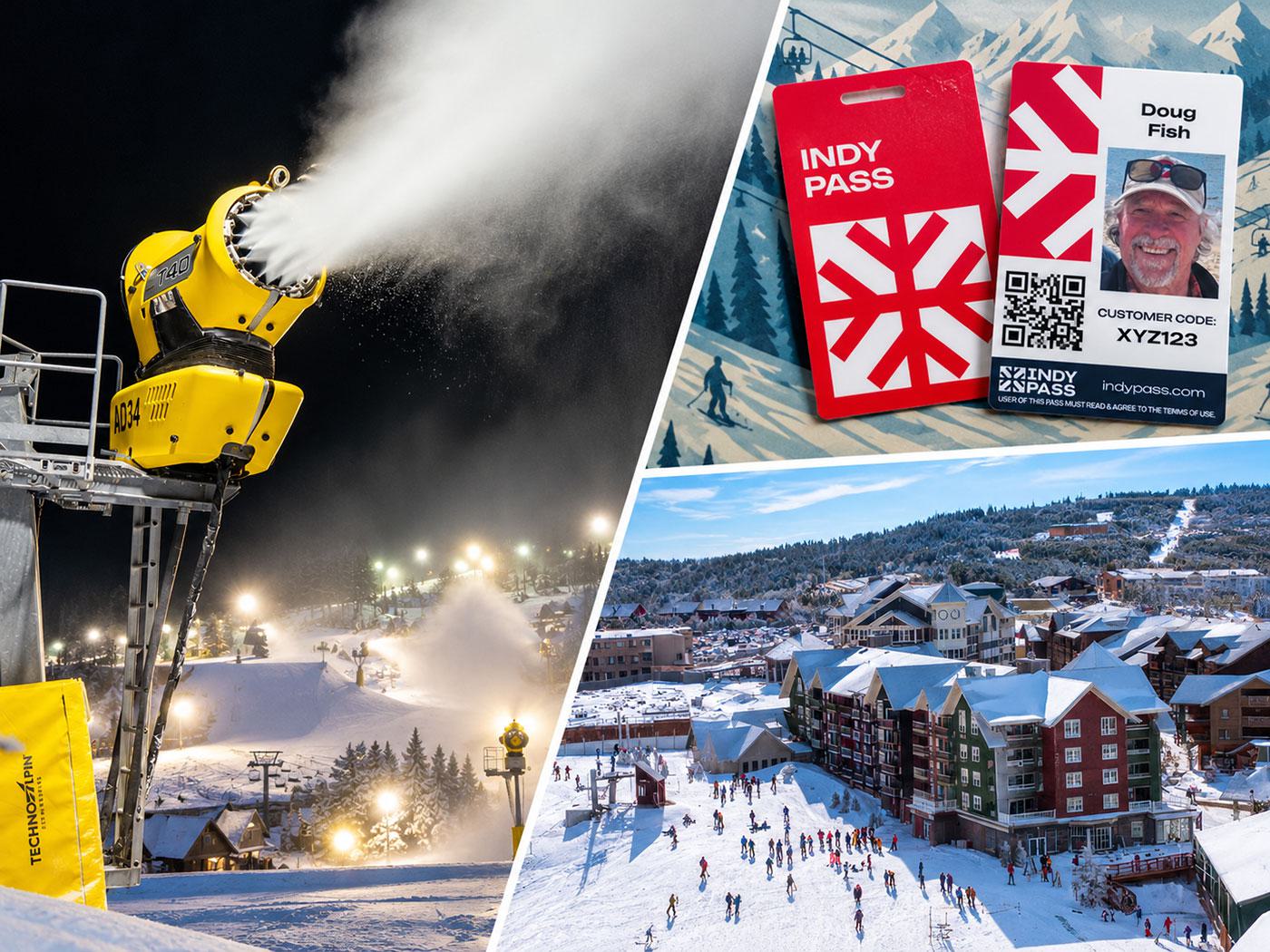
DCSki looks back at three developments that have reshaped Mid-Atlantic skiing over the past 25 years: the rise of multi-resort passes and corporate ownership, major advances in snowmaking, and substantial investments in lifts, facilities, and year-round resort operations. Together, these changes have influenced where skiers go, how resorts manage unpredictable winters, and how mountains build businesses beyond the ski season.
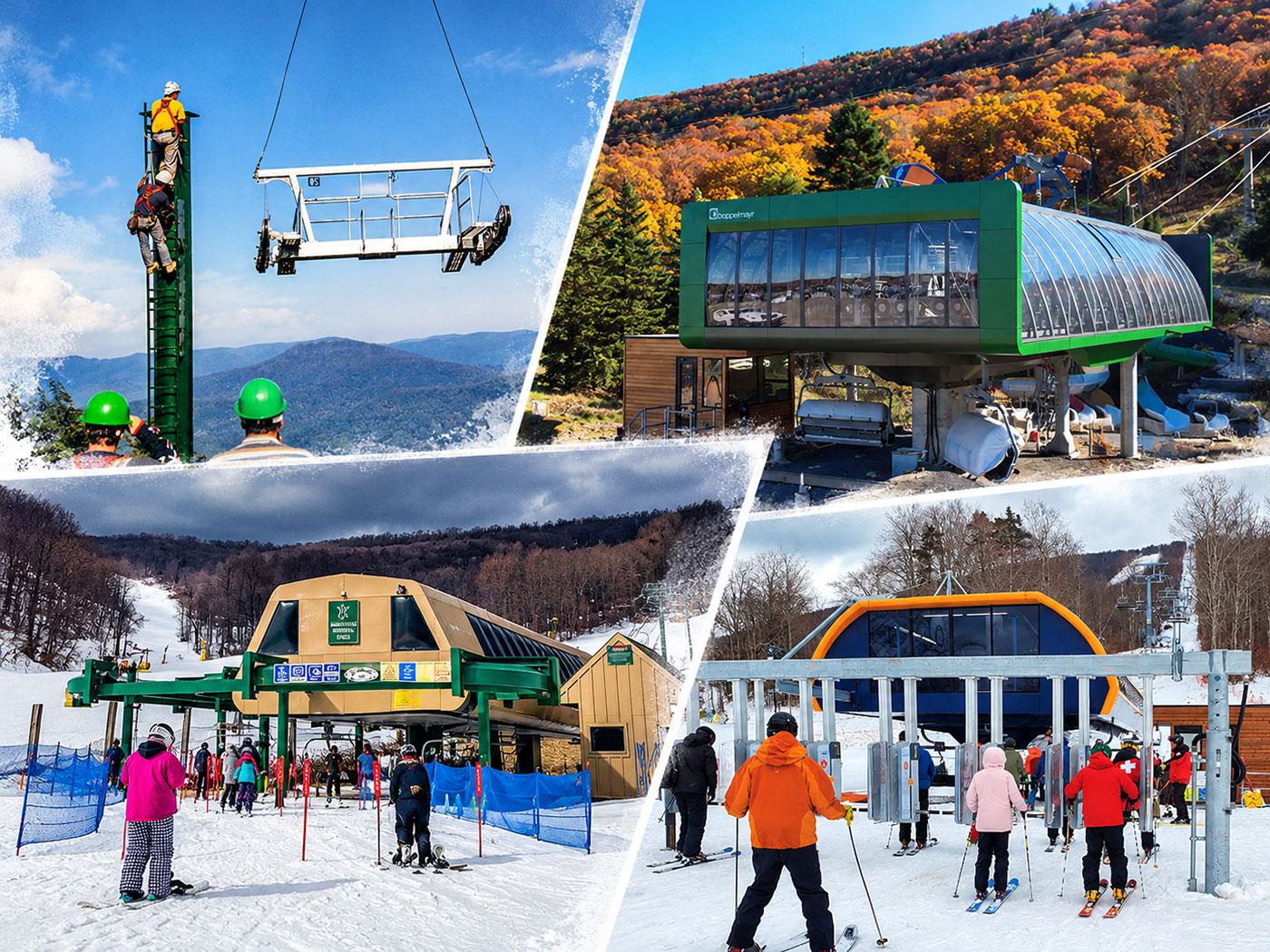
High-speed detachable chairlifts have transformed the skiing experience, cutting uphill travel times and allowing skiers to spend more time on the slopes. Beginning with early installations at Beech Mountain and Whitetail, this chronological history traces nearly four decades of lift investments across the Mid-Atlantic and surrounding region. Along the way, it explores the arrival of six-passenger chairs, advances in lift technology, and the costs and maintenance considerations that explain why some resorts continue to favor traditional fixed-grip lifts.
A graduate research project by Nicholas Scott Prentice examines how changing winter conditions could affect snowmaking at six Mid-Atlantic ski areas. Analyzing 2005-2025 weather records and projecting conditions through 2040, the study found declines in estimated snowmaking hours, with results varying significantly by location and important limitations in the data.
Berkshire East Mountain Resort in Massachusetts is considering an 80-megawatt-hour battery designed to reduce the peak electricity costs associated with snowmaking. Supported by a $4.5 million state grant, the proposed 2028 project could offer a model for resorts elsewhere, although its costs, savings, and long-term performance have yet to be established.
DCSki looks back at nearly three decades of adaptive skiing coverage in the Mid-Atlantic, from early stories about mono-skis, bi-skis, and outriggers to the growth of organized programs, volunteer networks, and dedicated facilities. Along the way, the feature follows the athletes, instructors, and advocates who expanded access to the slopes, including longtime DCSki Columnist Connie Lawn, who eventually experienced adaptive skiing herself.
In this DCSki Interview Series installment, Woody Bousquet discusses his family’s role in founding and operating Bousquet Ski Area in Pittsfield, Massachusetts, his own lifelong connection to skiing, and the inventions and stories that shaped the area. He also shares how his collection of vintage patches, maps, brochures, and other memorabilia helps preserve the history of Bousquet and other lost ski areas.
Wisp and Wintergreen are offering discounted passes, transferable lift tickets, and free beginner programs as part of their Mission Affordable initiative for the 2026-2027 ski season.
Skiers who buy season passes during the heat of summer receive lower prices and unlimited access once the lifts begin turning, but resorts begin benefiting months earlier. DCSki explores how advance sales help cover offseason expenses, reduce some of the uncertainty of a weather-dependent business, and secure customers’ commitments before winter arrives. Photo provided by Seven Springs Resort.
How much will it cost to get on the slopes this winter? The question has become surprisingly difficult to answer as date-specific ticket prices, advance-purchase discounts, passes, rentals, lessons, food, and travel send each skier’s total in a different direction. DCSki examines the prices Mid-Atlantic skiers are likely to encounter during the 2026-2027 season and offers some practical ways to keep the bill under control.
By M. Scott Smith
No saved stories yet.Use the Save button on any story to build a reading list in this browser.