
A graduate research project by Nicholas Scott Prentice examines that question using two decades of weather observations associated with ski areas in Maryland, West Virginia, and Virginia. Completed in November 2025 through James Madison University and the University of Malta, the study explores how changing winter conditions could affect the region’s ability to make snow.
Prentice analyzed hourly National Oceanic and Atmospheric Administration weather records from 2005 through 2025 for locations associated with Wisp, Snowshoe, Winterplace, Massanutten, Wintergreen, and Bryce. He focused on wet-bulb temperature, which combines temperature and humidity and is a key measure of whether snowmaking equipment can operate effectively.
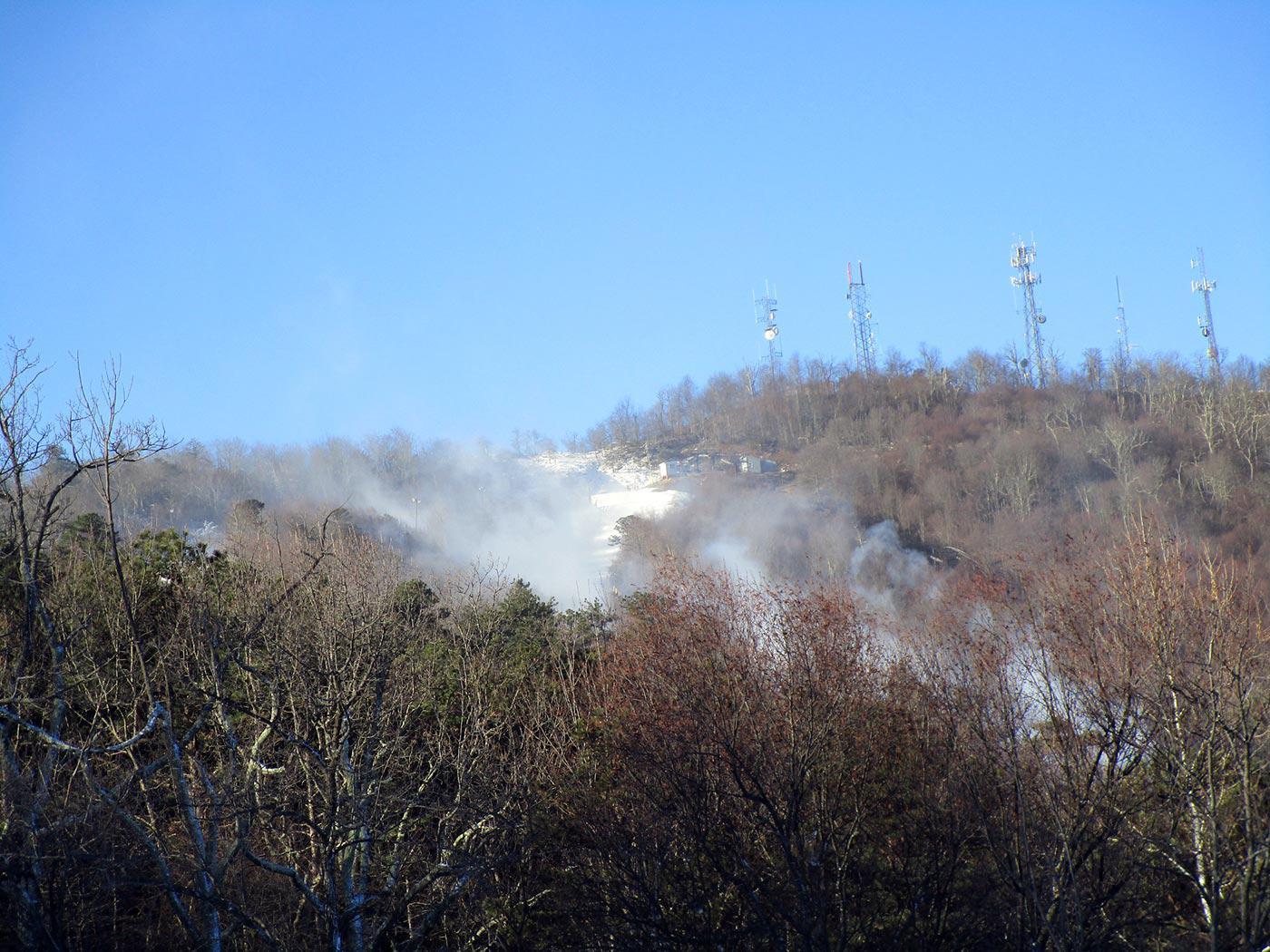
The analysis found estimated declines in hours suitable for snowmaking ranging from 0.31% to 5.11% per decade across the locations studied. February showed the strongest warming signal. Conditions varied considerably by location: weather stations representing Wisp and Snowshoe generally offered more favorable snowmaking temperatures than those associated with several Virginia resorts and Winterplace.
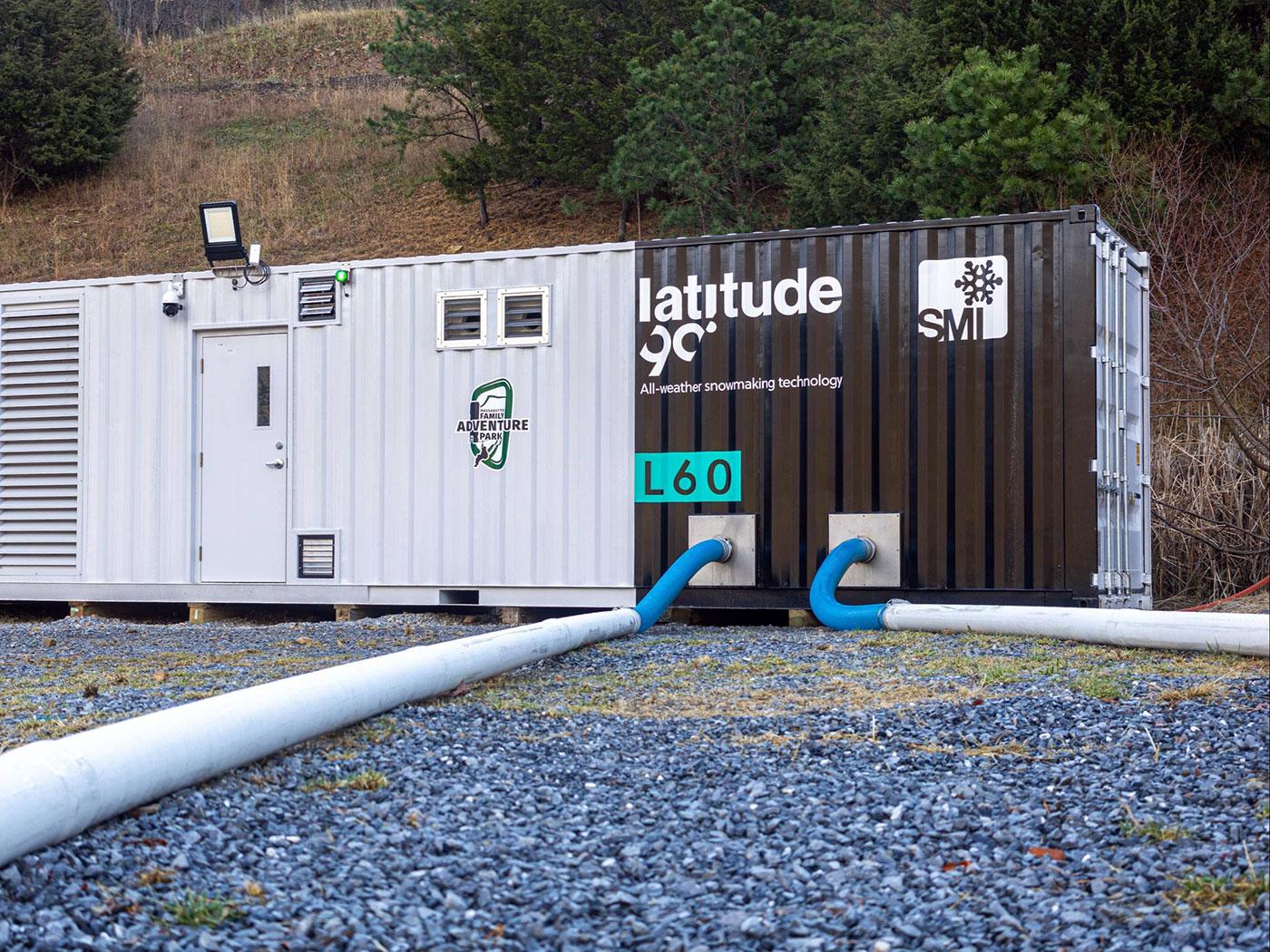
Prentice also consulted snowmaking personnel at Wisp, Snowshoe, and Massanutten. Their observations described later openings, less predictable cold-weather windows, and increasing reliance on powerful, automated snowmaking systems that can produce large amounts of snow when temperatures cooperate.
The study examined possible conditions through 2040 under two warming scenarios. Both pointed toward further pressure on snowmaking opportunities, although Prentice cautions that the projections illustrate possible outcomes rather than precise forecasts.
There are important limits to the findings. The study generally used nearby weather stations rather than long-term measurements taken directly on ski slopes, where elevation and local terrain can produce different conditions. Year-to-year variability was substantial, and many of the historical trends were not statistically significant. The research also did not measure actual snow production, operating costs, or changes in ski-season length at individual resorts.
Prentice recommends better on-mountain weather monitoring, including stations at both the base and summit, to help resorts track changes and plan investments. His research also points to the growing importance of snowmaking infrastructure capable of taking advantage of brief periods of favorable weather.
For Mid-Atlantic resorts, the challenge is familiar: make enough snow when the weather allows, then preserve it through whatever winter brings next. The study suggests that meeting that challenge could demand increasingly sophisticated equipment and careful planning in the years ahead.


Reader Comments