
The lifts are quiet, the trails are green, and snowmaking weather may still be months away. Yet ski resorts are already selling next winter, usually with a series of deadlines reminding us that prices will soon rise.
The appeal for skiers is straightforward: those who expect to use a pass can usually save money by buying early. The resort gets something equally valuable. It receives cash months before it has to deliver any skiing, during a part of the year when plenty of work is underway but little winter revenue is coming through the door.
Winter Starts Long Before Opening Day
Once the last patches of snow disappear, a ski area does not simply go dormant until November. Lifts must be inspected and maintained, groomers and other heavy equipment need service, trails need mowing, and buildings require repairs. Snowmaking crews inspect pumps, compressors, valves, hydrants, pipes, and the many other components that must be ready when the first useful cold snap arrives.
Some summers bring much larger projects. As DCSki recently reported, Seven Springs is replacing its Blitzen triple with a new fixed-grip quad for the 2026-2027 season. The Pennsylvania resort is also replacing about 3,000 feet of snowmaking pipe. Wisp and Wintergreen are making substantial snowmaking improvements of their own. Projects like these are planned well in advance, but the work and the bills arrive well before winter.
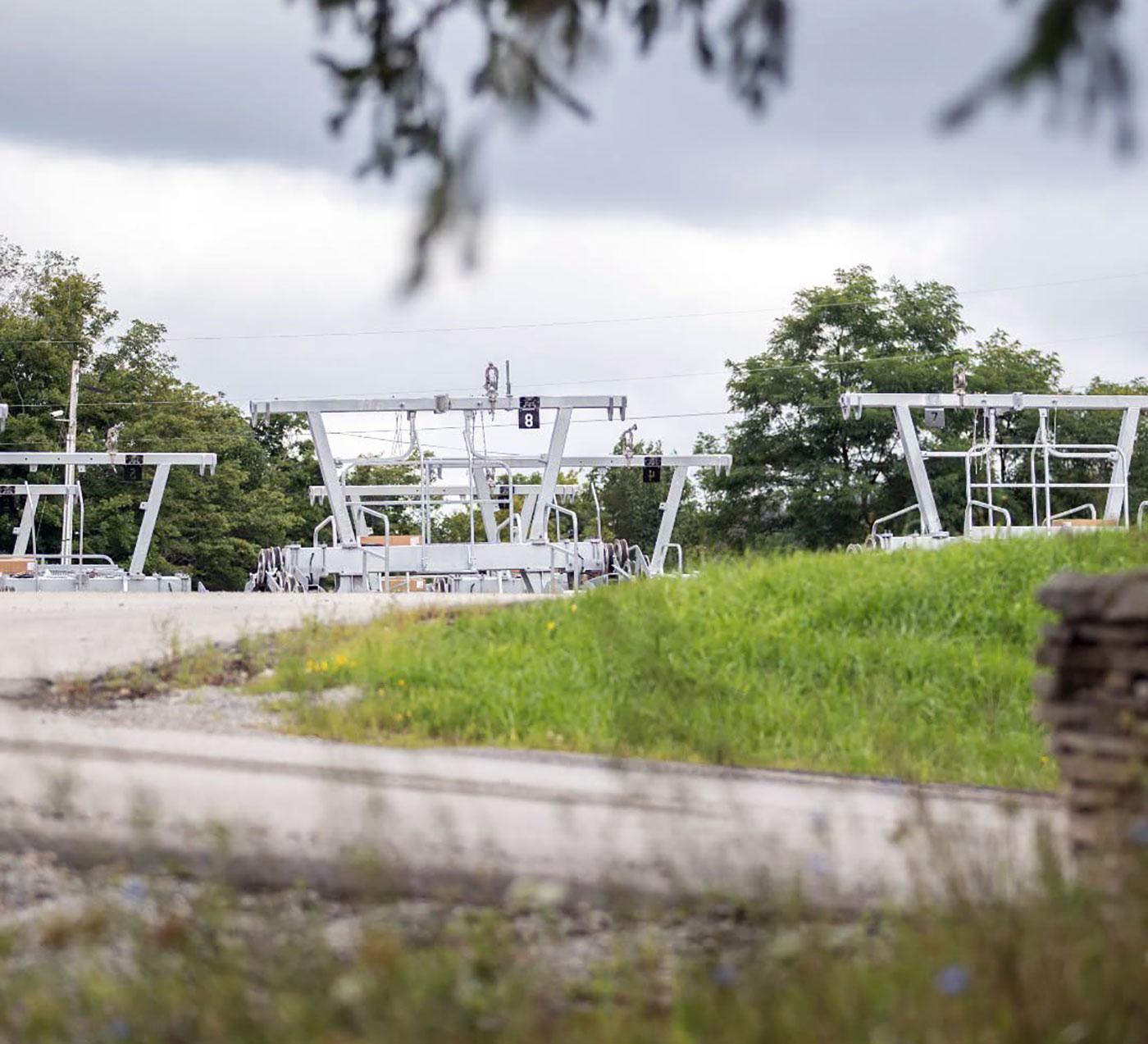
Spending ramps up as fall progresses. Seasonal employees are hired and trained, rental shops are stocked, food and retail operations prepare to reopen, and ski patrol and snowmaking crews gear up for the season. Then comes one of the biggest (and most visible) preseason expenses of all: making enough snow to open.
In the Mid-Atlantic, resorts live or die based on their snowmaking. When temperatures finally cooperate, snowguns may run around the clock, consuming large amounts of water and electricity while employees work through the night. Much of that expense can be incurred before a single visitor glides up to a chairlift.
Cash Now, Skiing Later
When a skier buys a $600 season pass in August, the resort receives that money months before the lifts begin turning. It is not earmarked for a particular snowgun, lift repair, or employee. Instead, it joins the cash available to support payroll, maintenance, insurance, utilities, supplies, and the many other expenses that continue throughout the offseason.
For accounting purposes, companies such as Vail Resorts cannot count the entire payment as revenue immediately because they still owe the passholder a winter of skiing. The payment is initially recorded as deferred revenue, then recognized during the ski season as the company fulfills that obligation. That accounting treatment does not delay the cash itself, which is available during the costly months leading up to opening day.
The sale also replaces an uncertain future purchase with a firm commitment. A day skier can wait for a favorable snow report before buying a ticket; someone who purchases a pass in August has already committed, long before anyone knows what January will bring. Vail Resorts has specifically cited advance pass sales as a way to reduce its exposure to weather-related swings in visitation. An independent mountain in Pennsylvania, Maryland, Virginia, or West Virginia operates on a much smaller scale, but receives the same basic benefit: money collected before the weather can influence the customer’s decision.
A poor winter can still hurt. Passholders who visit less frequently also spend less on lessons, rentals, food, retail, and lodging, and may be less likely to purchase the pass the following season. But the pass revenue has already been secured for the current season, giving the resort a more predictable financial foundation even if January brings more rain than snow.
Deadlines, Data, and the Deal We Make
Advance sales provide useful information as well as cash. They show how many customers have already committed, how many renewed, where they live, and which pass products they chose. And, of course, corporations these days love data. Large operators can analyze those buying patterns across an entire network. At a smaller resort, even a simpler count can help guide staffing, rentals, lessons, food service, and other preparations.
There can be a less visible benefit for the resort as well. Before a season pass product such as the Epic Pass is issued, for example, Vail Resorts requires the passholder to accept terms that include releases and limits on liability. How those provisions would fare in a particular court depends on the circumstances and the applicable law, but the signed agreements still give the company another layer of protection before the passholder ever clicks into a pair of skis. The resort is receiving an advance commitment from the customer in both financial and legal terms.
Pass ownership also changes skier behavior. If a day ticket costs $90, driving to the mountain for a three-hour evening session may seem extravagant. Once the pass is paid for, that same (brief) outing becomes easier to justify. So does a day with marginal weather that might otherwise be spent at home. The skier pays nothing more to get through the gate, but may still buy lunch, rent equipment, book a lesson, or spend money elsewhere at the resort. And if they don’t feel the need to spend the entire day on the slopes to maximize value like a day ticket purchaser might, that could lead to less crowding too.
The pricing schedule is carefully designed to give skiers a reason to buy sooner rather than later. Passes are usually cheapest while snow is still melting from the previous season, then rise in stages through summer and fall. Each deadline presents skiers with the prospect of paying more for exactly the same pass, providing a powerful reason to stop deliberating and reach for a credit card.
The Indy Pass takes that psychology a step further by limiting how many passes it sells. It has frequently sold out quickly, sometimes reopening sales for only a brief period later. Whether the concern is paying a higher price or missing out altogether, waiting begins to feel like the risky choice.
For all the pricing schedules, data analysis, and legal fine print, a Mid-Atlantic season pass remains a wager on the weather. A warm winter can disappoint both sides; a cold and snowy one can make everybody look smart.
The resort has sold access to a season that has not happened yet. The skier has bought it. By January, both will know what the deal was worth. In the meantime, the resort has raised cash from advance pass sales to pay offseason bills and get the mountain ready for opening day.



Reader Comments