Resorts such as Whitetail, Roundtop, Seven Springs, Snowshoe, Wisp, Massanutten, Wintergreen, Canaan Valley, and Blue Mountain were all welcoming skiers a quarter century ago. Snowmaking was essential, the weather was perpetually and frustratingly unpredictable, and about this time of year resorts began hoping for the arrival of cold temperatures.
Some things haven’t changed much.
The business of skiing, however, has undergone considerable changes over the past 25 years.
Ski resorts have changed hands, multi-resort passes have altered where people ski, and improvements in snowmaking have given mountains new tools for dealing with the region’s fickle winters. Many resorts have also invested heavily in lifts, lodging, and other facilities, as chronicled in our recent story on high-speed lift installations.
Three developments stand out when examining how Mid-Atlantic skiing has evolved since the turn of the century.
1. The Rise of Multi-Resort Passes and Corporate Ownership
In 2001, buying a season pass was generally a straightforward decision. If you skied regularly at Whitetail, you bought a Whitetail pass. If Seven Springs was your favorite mountain, you bought a pass there. Some resorts offered reciprocal benefits, but most passes were primarily useful at one mountain. When you bought a pass, you were basically locking in your “home mountain” for the season.
Today, a range of “mega” passes are available: Epic, Ikon, Indy, and a variety of regional partnerships. A skier who purchases a pass for weekend trips to Pennsylvania might also use it for a week in Colorado or Vermont. The price of a pass, its blackout dates, and the resorts it includes can shape an entire winter’s travel plans.
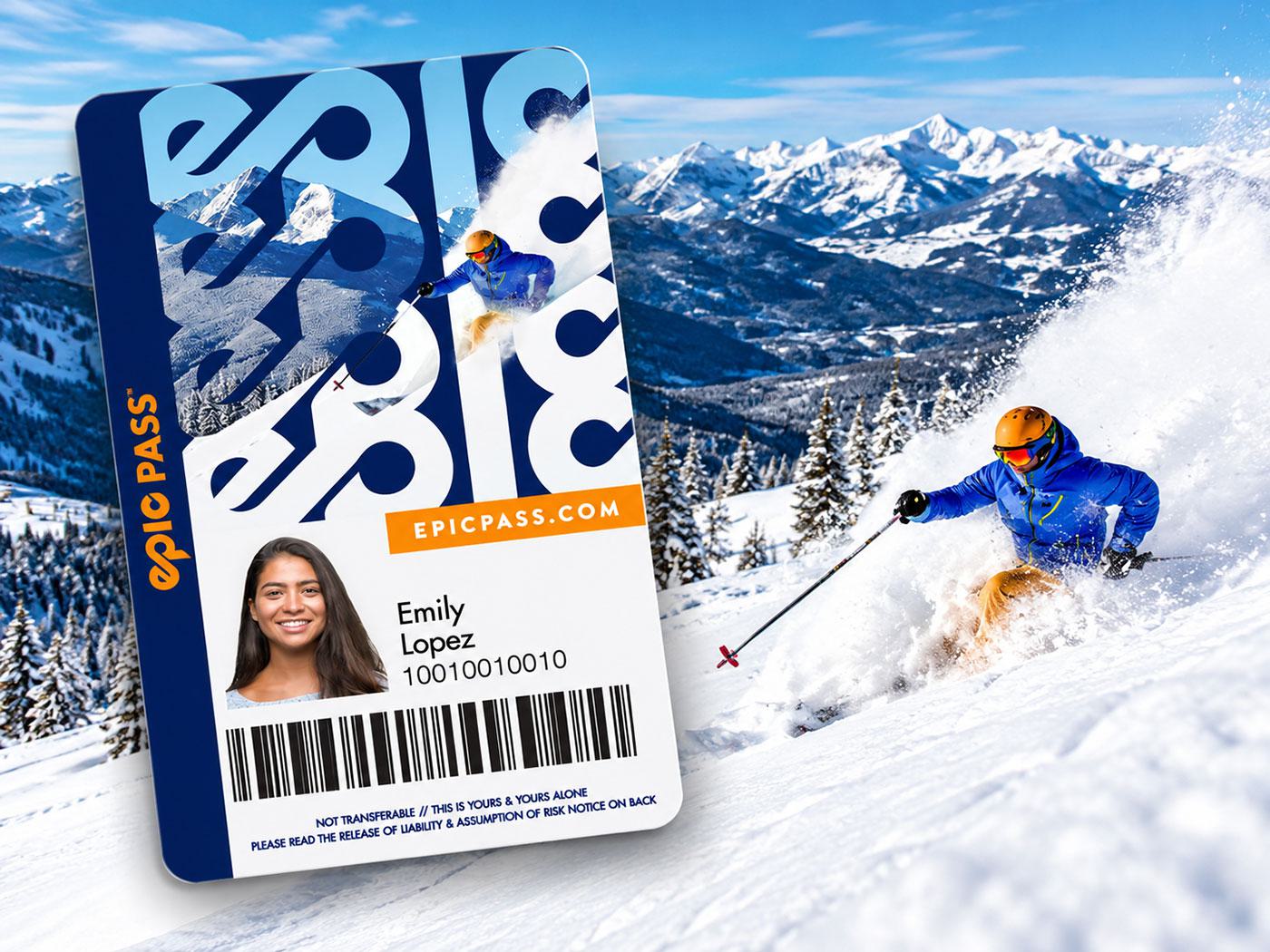
Corporate consolidation has played a major role in this transformation. Vail Resorts now operates eight Pennsylvania ski areas: Whitetail, Liberty, Roundtop, Jack Frost, Big Boulder, Seven Springs, Hidden Valley, and Laurel Mountain. The first five joined Vail’s portfolio through its acquisition of Peak Resorts in 2019, while the remaining three followed a few years later.
For Washington-area skiers, that means a pass purchased primarily for visits to Whitetail or Liberty can also provide access to destinations such as Stowe, Park City, Vail, and Whistler Blackcomb, depending on the pass product.
Other pass networks have expanded their presence in the region. Snowshoe is part of the Ikon Pass network, which also includes access to Blue Mountain and Camelback. Indy Pass offers access to numerous independently operated ski areas, including smaller mountains that skiers might otherwise overlook.
Even traditional regional passes have expanded their reach. Wintergreen and Wisp, for example, participate in the Mission Affordable Pass, which includes reciprocal benefits at resorts outside the Mid-Atlantic.
Skiers now have more reasons to “tate test” different mountains. Someone who might never have considered a weekend at a particular resort may decide to give it a try because admission is already included in a pass. A family planning a western vacation may choose its destination based partly on where its season passes are accepted.
Corporate consolidation has also left fewer major resorts operating independently, particularly in Pennsylvania. Skiers who once chose among several unrelated competing operators now find many of those mountains under the same corporate umbrella.
While the mega passes offer unprecedented value in terms of the resort options they unlock, things do not look as rosy for skiers who simply want to walk up to a ticket window and purchase a single ticket. Individual lift ticket prices across the industry have skyrocketed in the past 25 years, making it particularly difficult for new skiers and snowboarders to try out the sport.
2. Snowmaking Gets a Major Upgrade
Snowmaking has been a fixture of Mid-Atlantic skiing for decades. In fact, Mid-Atlantic resorts simply couldn’t exist without manmade snow; some years, there is little to no natural snow at all. Seven Springs and other established mountains have been making snow long before the turn of the century.
But the equipment used to make that snow has changed quite a bit, becoming more energy efficient and less labor-intensive to operate.
Twenty-five years ago, snowmaking crews often spent long nights moving hoses, adjusting valves, and manually operating equipment across the mountain. Traditional air-water snowguns required large quantities of compressed air, making snowmaking one of a resort’s biggest energy expenses.

Modern fan guns and low-energy tower guns are far more efficient. Many can automatically adjust their operation based on temperature and humidity, while centralized computer systems allow snowmaking supervisors to monitor and control equipment throughout a resort from a central, warm location.
For Mid-Atlantic ski areas, where viable snowmaking conditions can be right on the knife’s edge, those improvements have been invaluable. A resort that once needed several hours to start dozens of snowguns may now be able to bring much of its system online in a fraction of that time, by simply pushing a button on a control panel.
The technology has been accompanied by substantial investments in pumping capacity, upgraded water supply lines, and automated equipment.
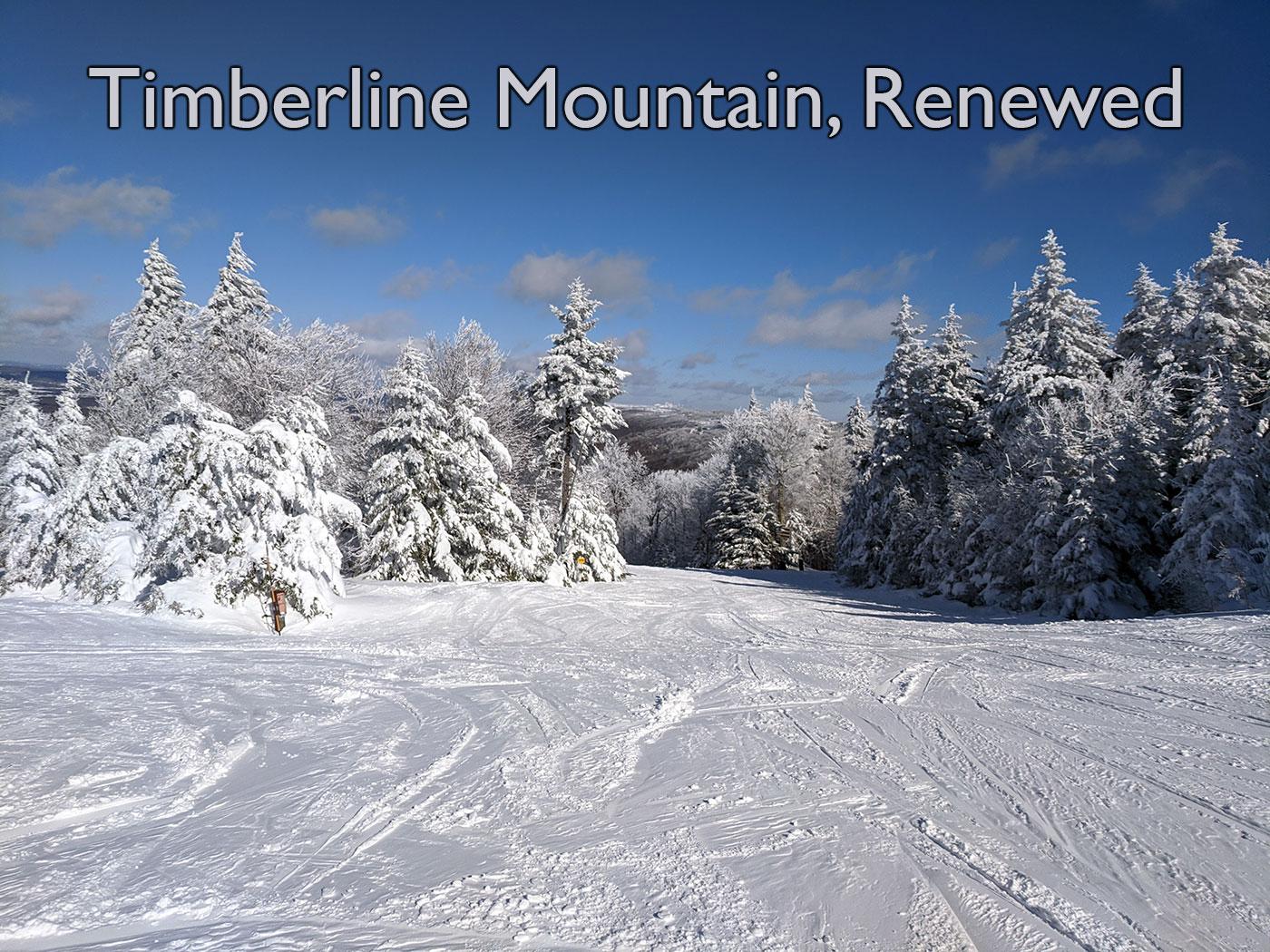
Wisp has undertaken major snowmaking improvements involving new automated guns, larger pipes, and increased pumping capacity. Wintergreen has been expanding its automated snowmaking system and installing additional TechnoAlpin fan guns. Timberline’s reopening under new ownership several years ago included a comprehensive snowmaking overhaul and dozens of new tower-mounted guns.
Some resorts have also experimented with equipment capable of producing snow at temperatures too warm for conventional snowmaking, although such systems remain relatively uncommon.
Even the best snowmaking system cannot overcome a prolonged January thaw, though. Modern equipment does, however, allow resorts to make better use of the cold weather they receive, building coverage quickly and recovering from warm spells that might once have caused longer interruptions.
3. Bigger Investments, Faster Lifts, and Year-Round Resorts
High-speed detachable chairlifts were still relatively uncommon in the Mid-Atlantic at the turn of the century, although a few resorts had already embraced the technology.
Whitetail introduced the region’s first high-speed quad when it opened in 1991. Snowshoe followed with the Ballhooter Express in 1997 and the Western Express in 1998. The Western Express replaced a notoriously slow lift serving Cupp Run and Shay’s Revenge, reducing the uphill journey from approximately 22 minutes to six.
Over the following 25 years, high-speed lifts became increasingly common across the region. High-speed quads and six-passenger chairs have been installed at numerous resorts, improving uphill capacity and reducing the amount of time skiers spend riding lifts.

Timberline underwent an extensive transformation after failing to open for the 2019-2020 season. The West Virginia resort was purchased by Perfect North Slopes, which installed a high-speed six-pack, a new quad chairlift, and an upgraded snowmaking system, while also improving the lodge and other facilities.
Other improvements have become commonplace. RFID cards have replaced many traditional lift tickets, online purchases have reduced the need to stand in ticket-window lines, and rental operations have become more efficient. Terrain parks, expanded lesson programs, and improved guest facilities are now standard at many resorts.
The larger destinations have also worked to attract visitors beyond the winter months.
Snowshoe was an early example. Following Intrawest’s arrival in the mid-1990s, the resort expanded its mountaintop village with new lodging, restaurants, shops, and recreational facilities. By 2001, DCSki was reporting on a continuing stream of development projects intended to expand Snowshoe’s appeal as a year-round destination.
Today, resorts such as Snowshoe, Seven Springs, Wisp, Massanutten, Wintergreen, and Canaan Valley offer various combinations of golf, mountain biking, waterparks, festivals, scenic lift rides, lodging, and other activities.
Those additional businesses provide revenue outside the ski season, which is particularly valuable in a region where a few poorly timed warm spells can significantly affect winter earnings.
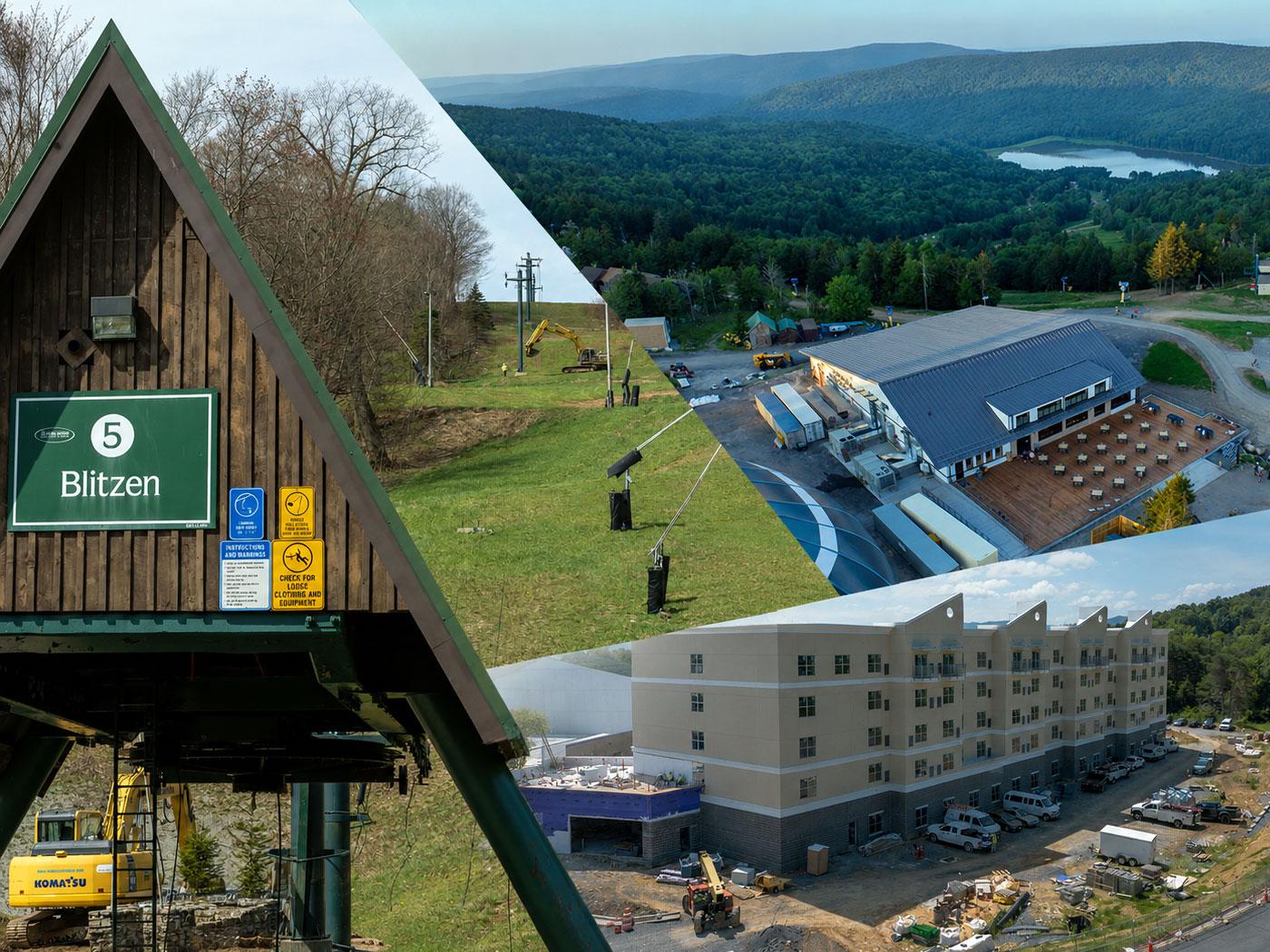
The investments have also changed the character of some resorts. Modest lodges and old-fashioned chairlifts still have their appeal, but maintaining modern snowmaking systems, lifts, and other infrastructure requires substantial capital. Resorts have increasingly looked beyond lift tickets to support those expenses.


Reader Comments