
It’s a longstanding tradition in the DCSki Forum.
Over the years, a handful of Mid-Atlantic ski areas have inspired these conversations again and again. They might have unusually good terrain, high elevation, an underused part of the mountain, or simply the feeling that the right investment could turn an already interesting ski area into something even better.
Of course, spending imaginary money is easy.
Ski area operators have to worry about water, electricity, land ownership, environmental approvals, staffing, insurance, debt, and whether enough additional skiers will show up to pay for whatever gets built.
In the Mid-Atlantic, they also have to contend with a short winter and the possibility that an important holiday weekend will arrive with rain and temperatures in the 50s.
With that reality check in place, here are four Mid-Atlantic mountains that have fueled plenty of “what if?” discussions among DCSki readers over the years.
Blue Knob: The Mountain Everyone Wants to Improve
If DCSki readers were handed a blank check and told to transform one existing Mid-Atlantic ski area, Blue Knob would probably be near the top of the list.
Blue Knob sits on the highest skiable mountain in Pennsylvania and has some of the most distinctive terrain in the region. Extrovert is legitimately steep. Stembogan provides a long run down the mountain. There are bumps, glades, narrow trails, and a sustained vertical profile that feels different from many Pennsylvania ski areas.
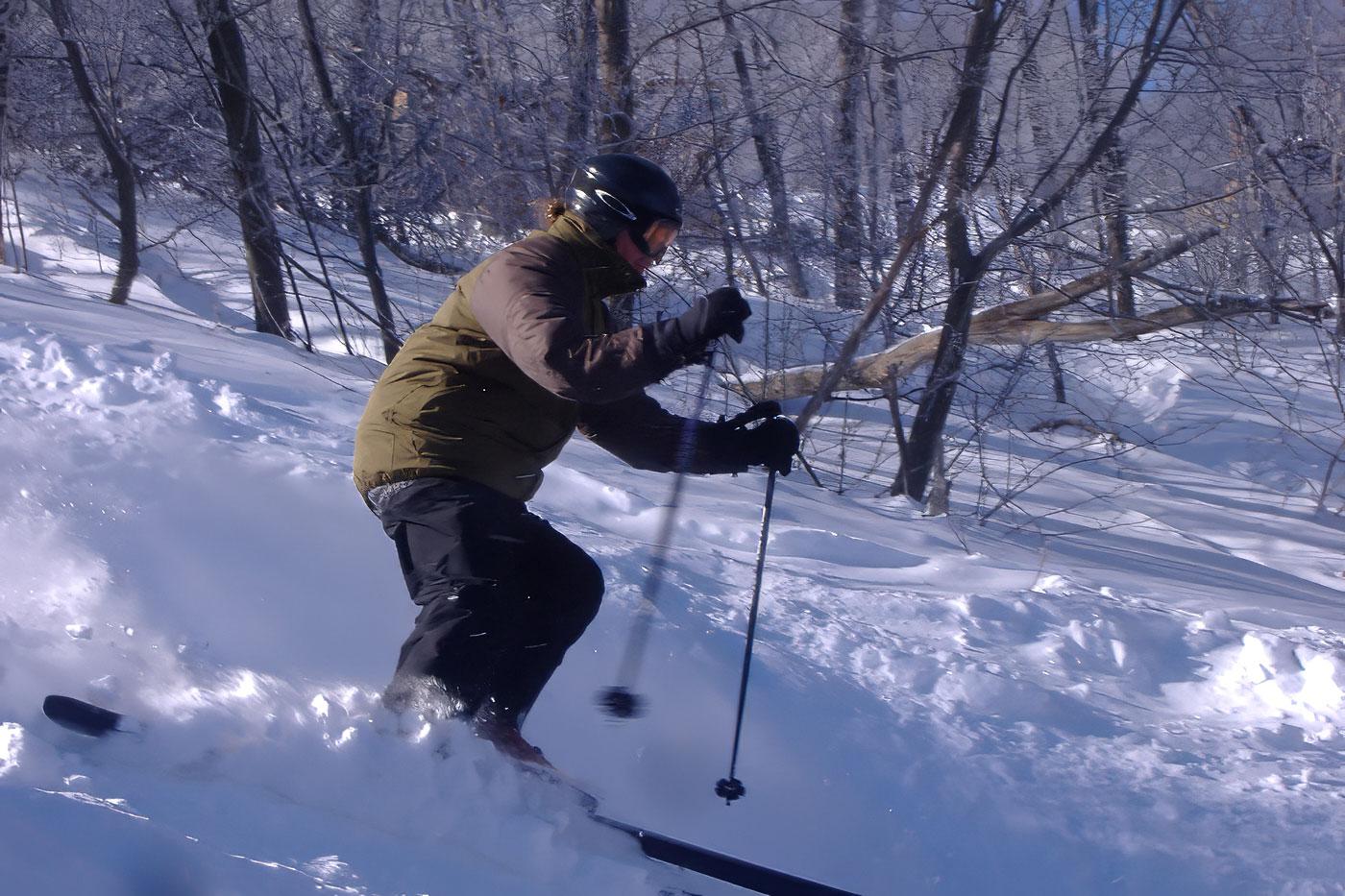
When natural snow is deep and the mountain is open, Blue Knob can provide a skiing experience that is difficult to duplicate elsewhere in the state or across the Mid-Atlantic.
That’s why DCSki readers have spent so much time imagining what a modern snowmaking and lift infrastructure could do there.
A long-running Forum discussion titled “How would you fix Blue Knob?” has covered everything from pumps and pipe to lifts, marketing, lodging, beginner terrain, and possible expansion. But the most common suggestion is an improved snowmaking system.
Blue Knob has been making incremental improvements. Ahead of the 2025-2026 season, the resort replaced approximately 3,500 feet of snowmaking water pipe and 700 feet of air pipe, while adding 30 TechnoAlpin stick guns, 22 additional stick guns, and a new TechnoAlpin fan cannon.
The resort also made improvements to its rental operation and chairlift motor rooms. The work represented a significant investment in some of the aging infrastructure that has long limited snowmaking performance at Blue Knob.
Those improvements provide a foundation for what could come next. Continued investment in pumps, water capacity, pipe, air, and electrical infrastructure could allow Blue Knob to take greater advantage of modern snowmaking technology and cover more of its challenging terrain. Lift improvements (such as a high-speed quad) could eventually complement that work.
But that leads to the harder question: would enough additional skiers come to Blue Knob enough to pay for a major investment such as a new high-speed lift? And would future Mid-Atlantic winters be long enough and cold enough to sustain that investment over the decades it would take to pay for itself?
That’s where the armchair resort operator has an advantage over the people actually running a resort day-to-day. Our imaginary financing terms and long-term weather forecasts are excellent.
Canaan Valley: Looking Across the Valley at Timberline
Canaan Valley Resort presents a different case, largely because of what happened just a few miles away.
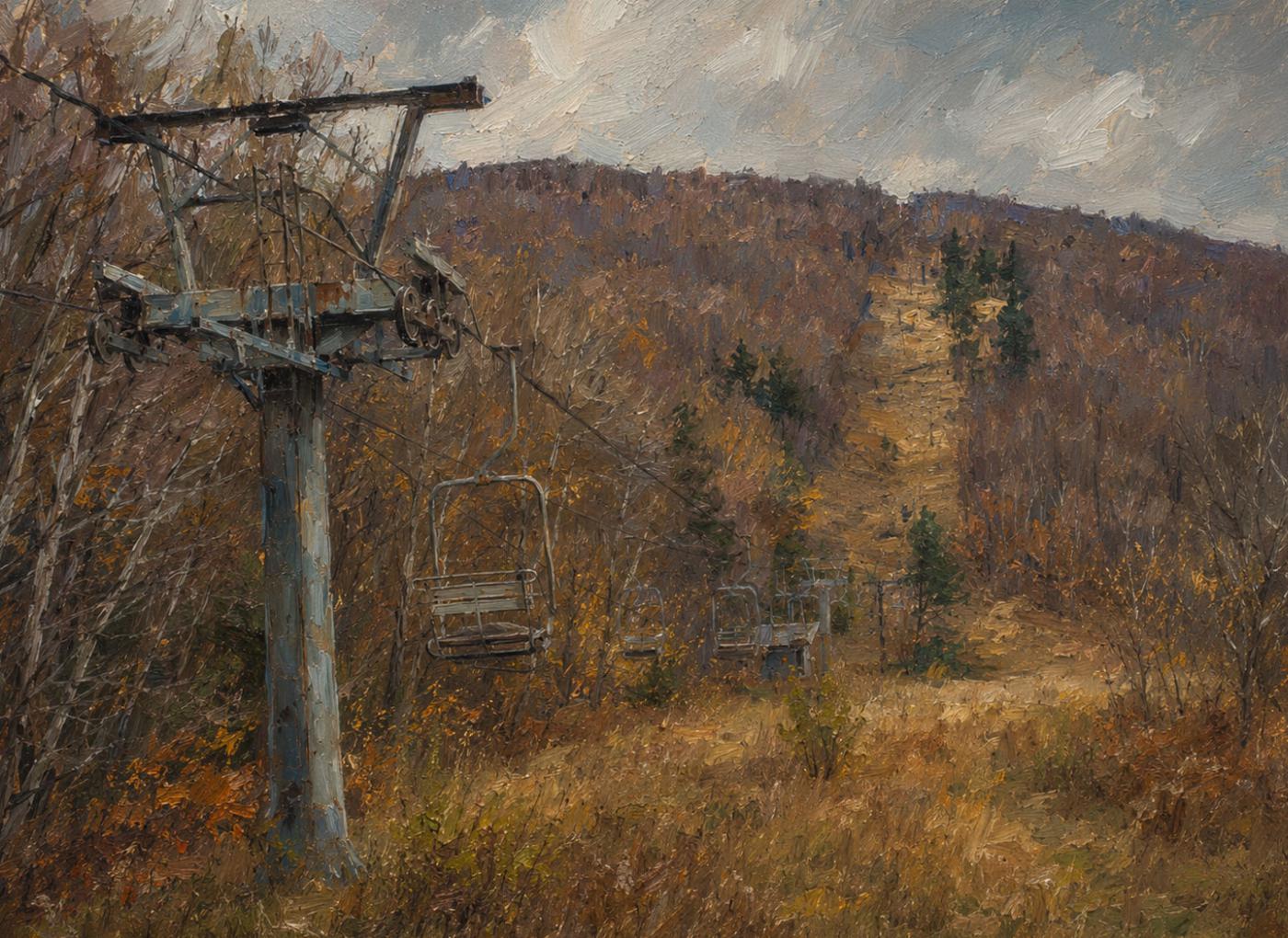
For years, West Virginia’s Timberline appeared in the same kinds of conversations that now surround Blue Knob and Canaan Valley. Skiers loved its 1,000-foot vertical, narrow trails, glades, elevation, and natural snowfall, but aging lifts and inconsistent snowmaking increasingly kept the mountain from delivering the experience its terrain promised.
By 2019, Timberline Four Seasons Resort was bankrupt and its future as a ski area was uncertain.
Then the Perfect family, owners of Indiana’s Perfect North Slopes, purchased the property and began a major rebuilding effort.
DCSki documented that turning point in the 2020 feature The Renaissance of Timberline Mountain, which traced the resort’s history, decline, bankruptcy, purchase, and ambitious plans under its new owners.
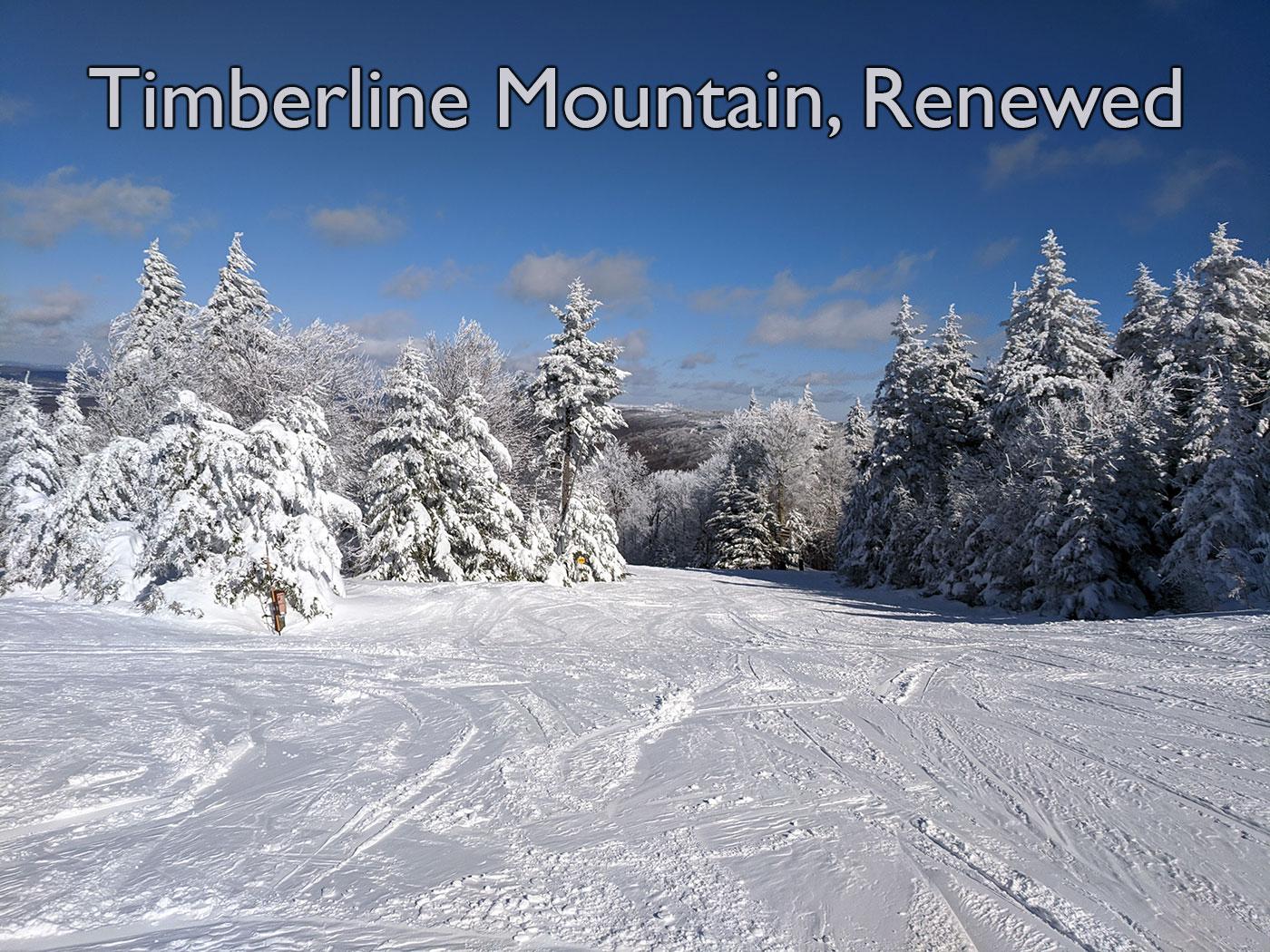
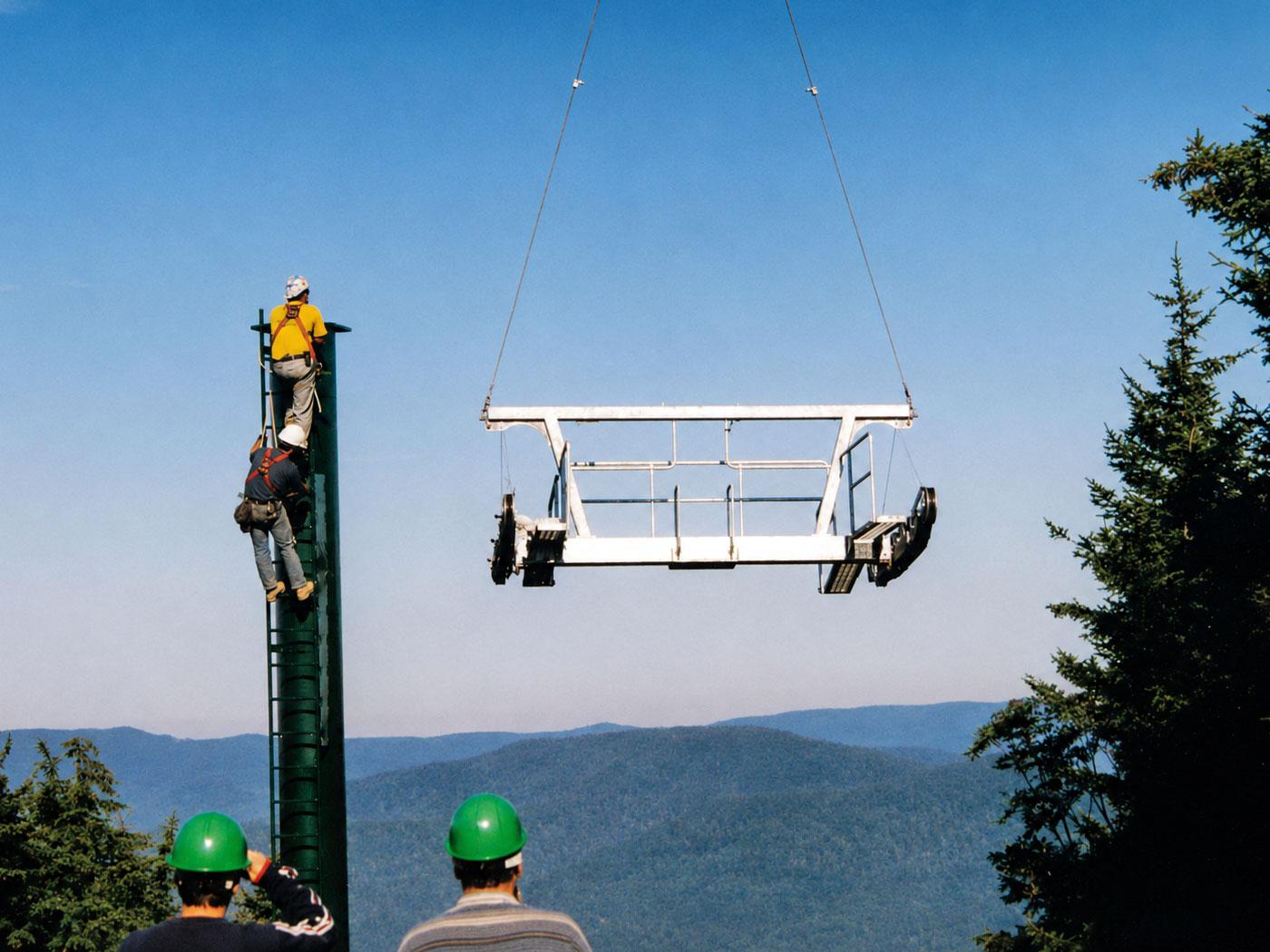
Those plans became reality, and Timberline has now become a crowd favorite. Timberline installed a high-speed six-passenger chairlift, a new quad, and a much stronger snowmaking system. The changes allowed the mountain’s existing terrain to be used far more consistently and helped turn Timberline into one of the region’s most popular ski areas. Last winter, DCSki readers praised it for aggressive and consistent snowmaking efforts from early to late in the season.
It is difficult to ski Timberline today without occasionally looking across Canaan Valley and wondering what a significant modernization could do for the state-owned ski area on the other side.
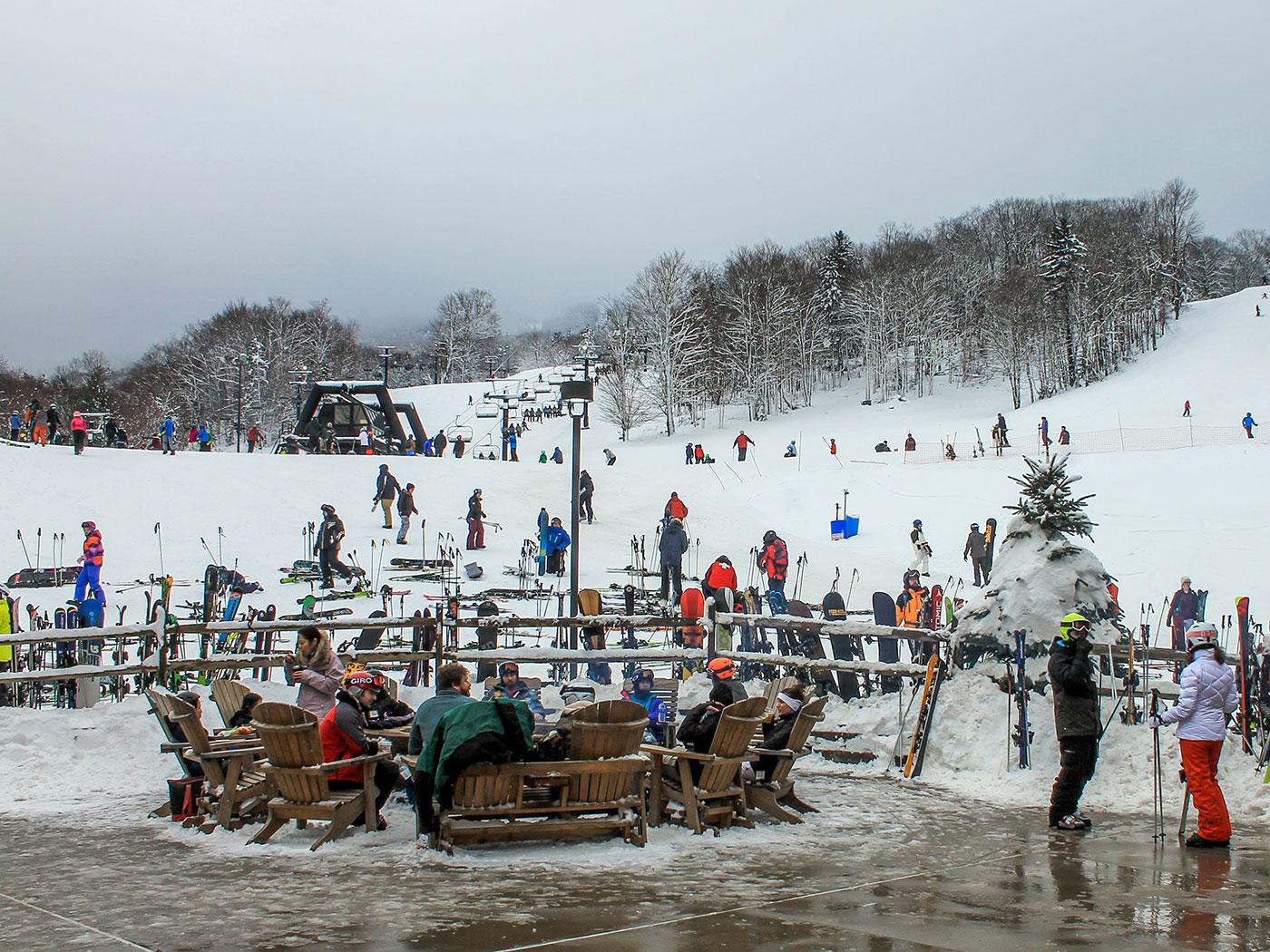
Canaan has plenty to work with. Its summit reaches 4,280 feet, the resort reports more than 117 inches of average annual snowfall, and its trail system offers an 850-foot vertical drop and a good mix of terrain. It’s a beautiful setting. Catch Canaan after a healthy upslope snowstorm and there is little question about the mountain’s skiing potential.
The challenge is consistency.
In a 2025-2026 DCSki Forum discussion about Canaan Valley, readers focused heavily on lift and snowmaking infrastructure. The conversation also included some encouraging reports about recent changes at the resort: a new mountain manager, changes in patrol leadership, preseason work on lifts and snowmaking, and new grooming equipment.
A major overhaul would be more complicated than Timberline’s transformation. Canaan Valley Resort is part of a West Virginia state park, so capital projects involve public priorities, budgets, management arrangements, and taxpayer resources — layers of bureaucracy to get anything done. The ski area is also competing with a newly modernized neighbor only a few miles away.
On the other hand, Timberline’s success has brought more skiers to Canaan Valley and strengthened the region as a ski destination. Two strong ski areas, combined with the excellent White Grass Ski Touring Center, would give visitors even more reason to spend several days in the valley.
Canaan already has the elevation, snow, terrain, lodging, and setting, and readers praise it as an excellent family destination with low crowds. The recurring DCSki debate is how much additional investment it would take to make the skiing more reliable throughout the winter.
Laurel Mountain: Improving It Without Losing Its Appeal
Laurel Mountain inspires a different kind of armchair planning.
Its most devoted fans generally aren’t asking for a sprawling base village or a mountain covered with high-speed lifts. Many would be perfectly happy if Laurel remained small, uncrowded, historic, and a little unusual.
They would simply like to ski more of it more often.
Laurel is one of Pennsylvania’s oldest ski areas, with roots dating to the late 1930s. Its terrain includes Lower Wildcat, one of the steepest lift-served runs in the Mid-Atlantic, along with narrower trails that retain the feel of an earlier era of Eastern skiing.
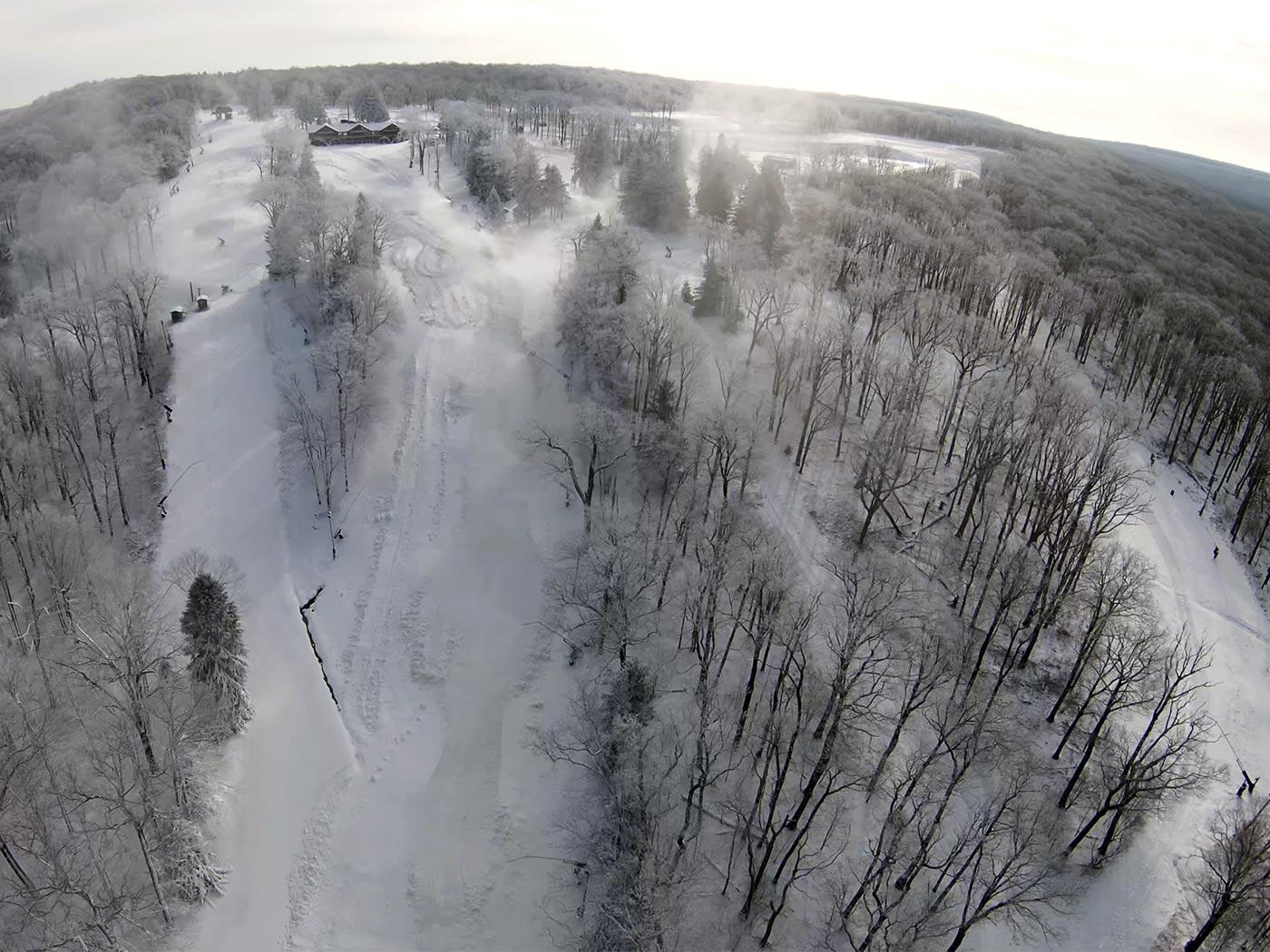
The ski area is modest by current resort standards, with about 70 skiable acres, 19 trails, and one primary chairlift. It has also had a complicated operating history, including a long closure before reopening for the 2016-2017 season.
DCSki readers were discussing Laurel’s possibilities long before that reopening. The long-running Laurel Mountain discussion in the DCSki Forums has followed proposed investments, closures, reopening efforts, snowmaking, terrain, and operations for years.
The mountain’s location inside Laurel Mountain State Park places some practical limits on the usual resort-development wish list. The ski operator does not own a huge block of surrounding property where it can freely build lodging, real estate, parking, utilities, and new terrain. Large private investments also have to make financial sense within the terms and duration of an operating agreement on public land.
Today, Laurel is operated by Vail Resorts along with nearby Seven Springs and Hidden Valley and is included on the Epic Pass. That gives it access to a much larger operating organization than it had during some earlier chapters of its history.
DCSki readers generally aren’t dreaming of turning Laurel into a much larger resort. Most of the discussion has focused on improving snowmaking and other infrastructure so the mountain can open more terrain more consistently, while retaining the old-school character that has made Laurel such a favorite among its regulars.
There aren’t many ski areas left in the Mid-Atlantic that feel quite like Laurel Mountain. Any plan for unlocking more of its potential should probably keep it that way.
Winterplace: Easy to Reach, Harder to Expand
Winterplace has one advantage that would make many ski-area operators envious: Interstate 77 practically runs past its front door.
The southern West Virginia resort is only minutes from the highway, giving it unusually convenient access for skiers traveling from Virginia, North Carolina, and points farther south. Winterplace has capitalized on that location while developing a strong family-oriented operation, with extensive beginner terrain, night skiing, and a large tubing park.
It has been a successful formula.
Still, longtime DCSki readers have occasionally looked beyond the current trail map and wondered about the surrounding terrain. As far back as 2003, Forum contributors discussed slopes on the backside of the mountain that appeared suitable for additional skiing.
The obstacle was straightforward: Winterplace did not control all of the land that would be required.
That is a useful reminder of how quickly an exciting trail-map idea can collide with the realities of ski-area development. A promising slope on a topographic map isn’t much use if someone else owns it.
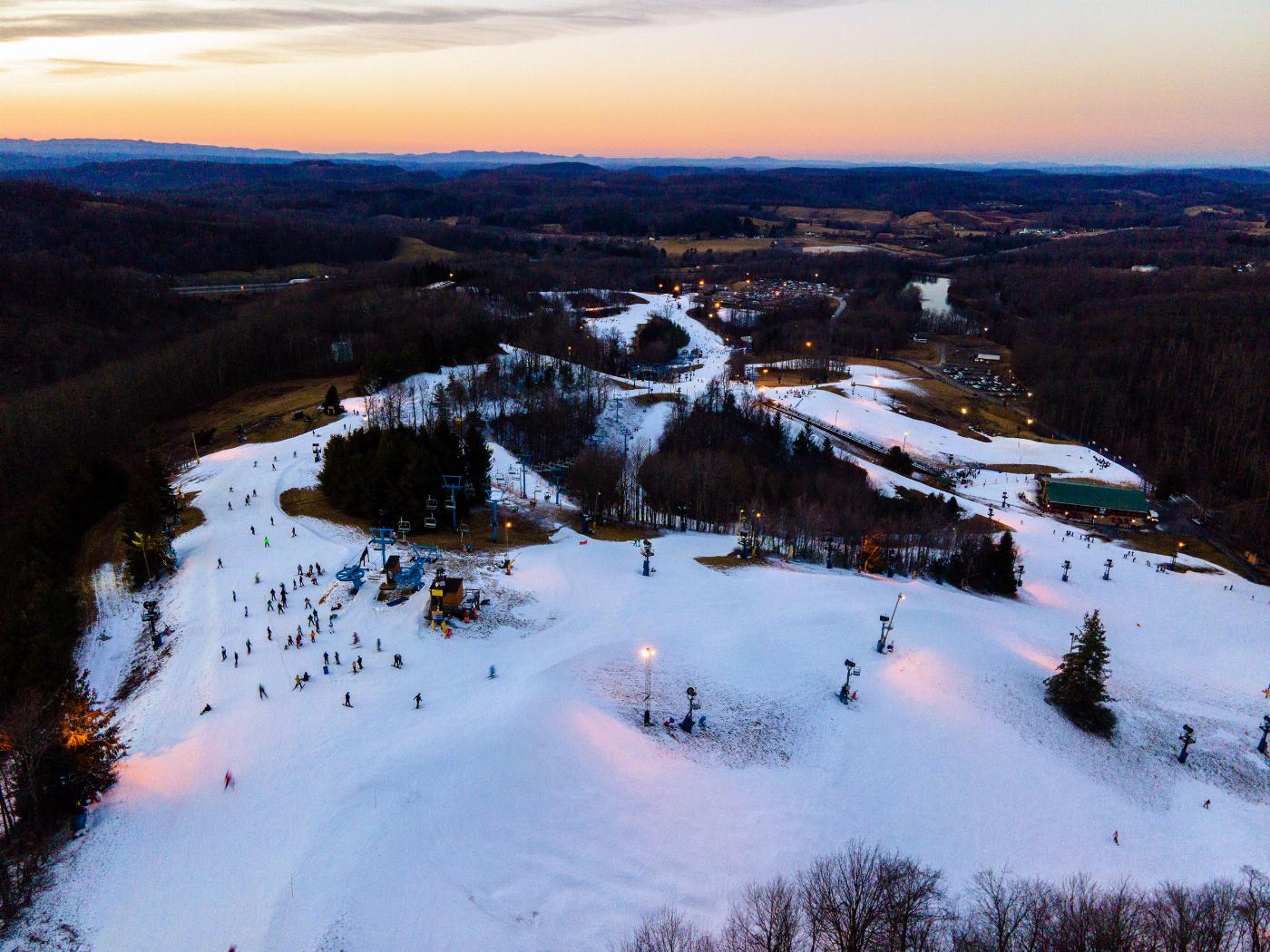
Winterplace also shows why untapped potential doesn’t always mean terrain expansion. Its current strength is a convenient, approachable ski area serving a large geographic market. Improvements to snowmaking efficiency, lifts, facilities, learning terrain, or the guest experience may offer a better return than trying to turn the mountain into something fundamentally different.
When the Right Pieces Come Together
Timberline remains an encouraging example for skiers who enjoy imagining what might be possible at other Mid-Atlantic mountains.
For years, DCSki readers saw great terrain and abundant natural snowfall at Timberline, along with aging infrastructure and an uncertain future. A change in ownership ultimately brought substantial investment in lifts, snowmaking, and other improvements, allowing the mountain to make much better use of the terrain and natural advantages it already had.
The circumstances at Blue Knob, Canaan Valley, Laurel Mountain, and Winterplace are all different. Future improvements at those mountains could come through continued investment by existing owners, public funding, partnerships, incremental upgrades over many years, or other approaches. Each ski area also has its own constraints, from land ownership and available capital to the economics of operating through unpredictable Mid-Atlantic winters.
It’s easy to understand why these discussions have persisted on DCSki for so many years. Skiers know these mountains well. They’ve seen them on their best days, when the snow is deep and nearly everything is open, and they’ve wondered what additional investment and improvements might make possible in the years ahead.


Reader Comments