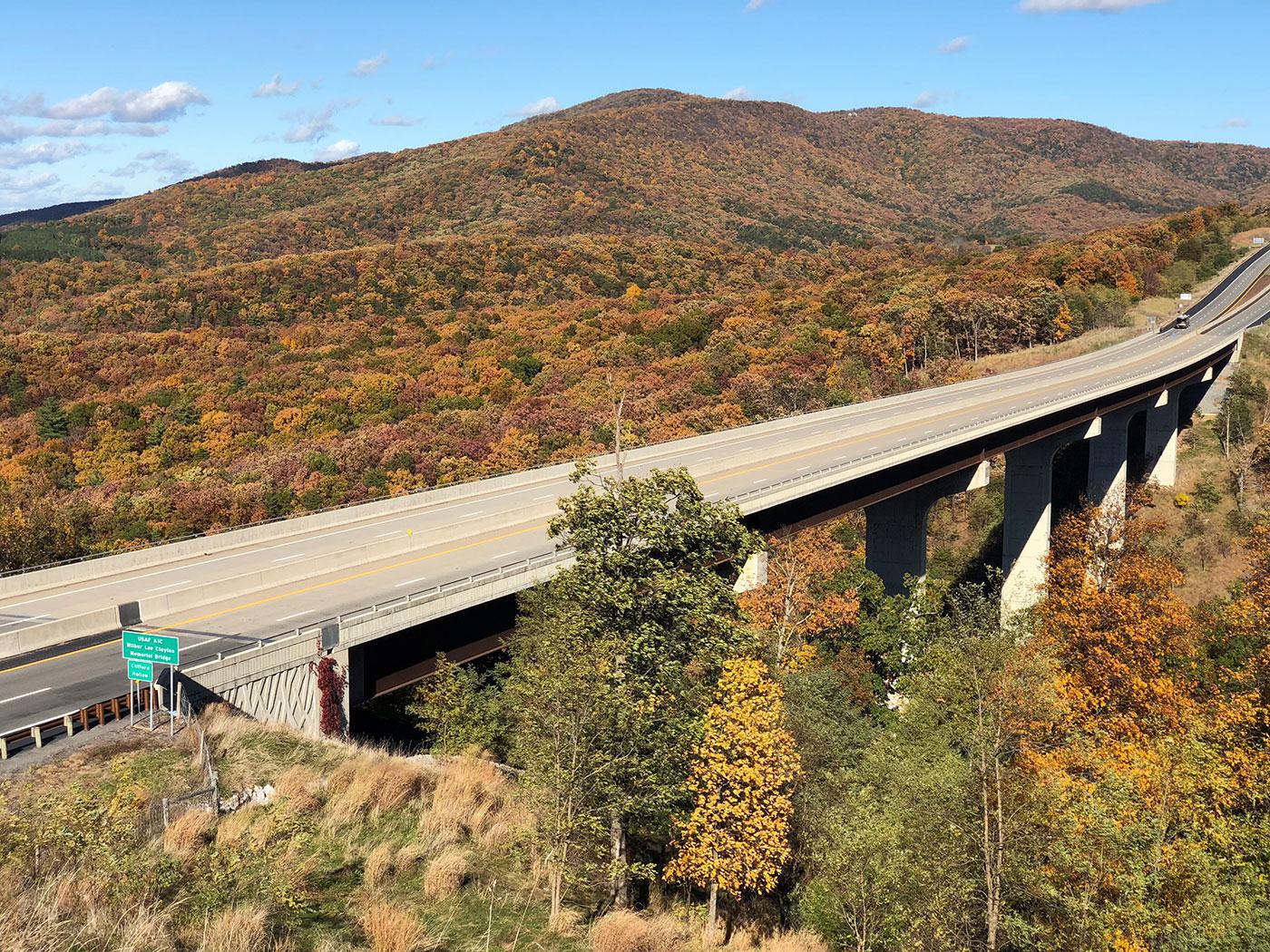
West Virginia’s Corridor H highway has steadily shortened and simplified the trip from Washington and Northern Virginia to Tucker County’s ski areas, including Timberline Mountain, Canaan Valley Resort, and White Grass. DCSki looks at how each completed section has changed the region’s place on the Mid-Atlantic ski map, while unfinished segments promise further improvements through 2034.
DCSki looks back at nearly three decades of adaptive skiing coverage in the Mid-Atlantic, from early stories about mono-skis, bi-skis, and outriggers to the growth of organized programs, volunteer networks, and dedicated facilities. Along the way, the feature follows the athletes, instructors, and advocates who expanded access to the slopes, including longtime DCSki Columnist Connie Lawn, who eventually experienced adaptive skiing herself.
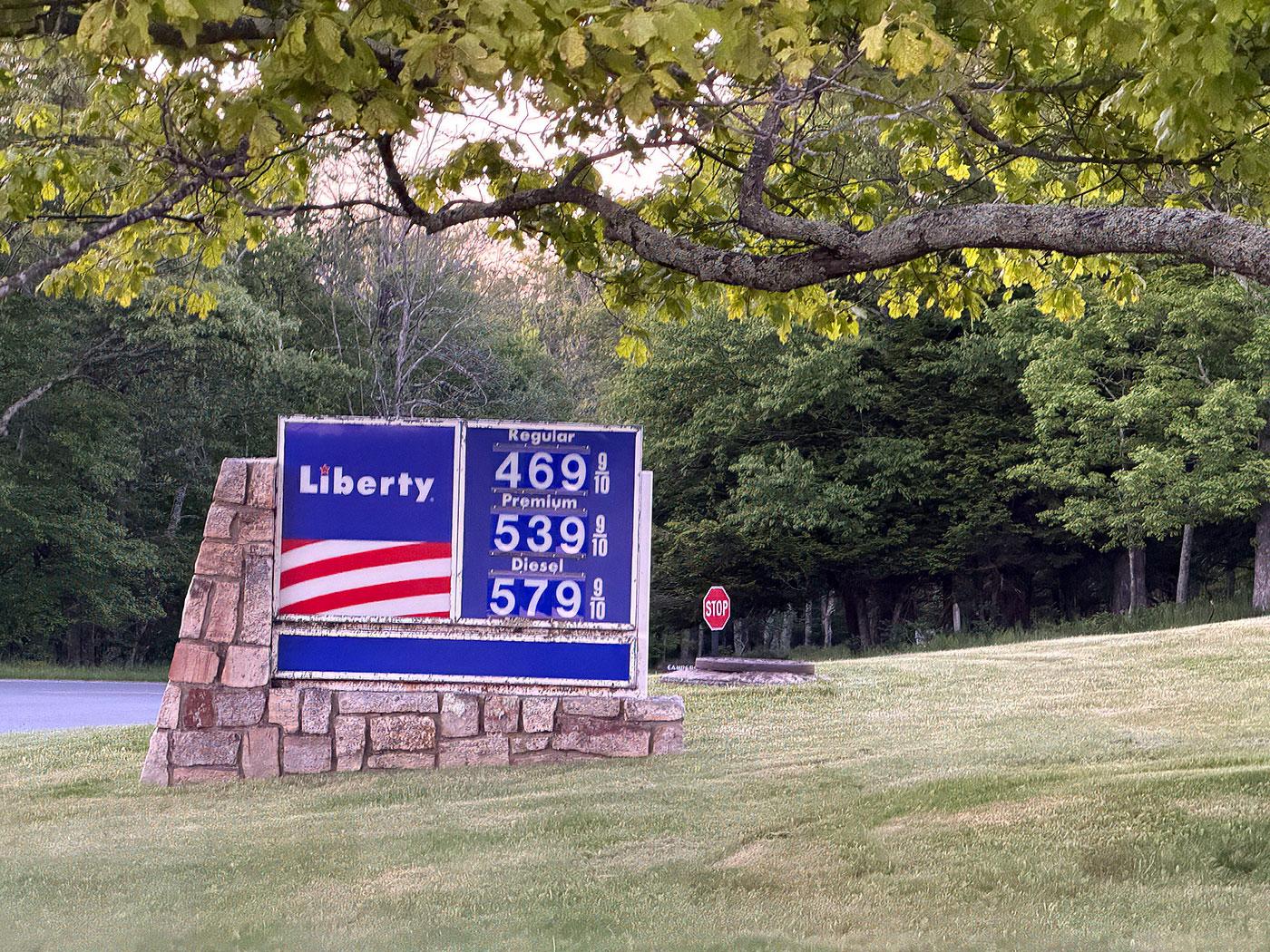
Higher gasoline prices could reshape ski plans for Mid-Atlantic families this winter, raising the cost of day trips and mountain vacations as broader inflation pressures squeeze recreation budgets. DCSki looks at how those pressures could affect driving decisions, western ski travel, and resort visitation.
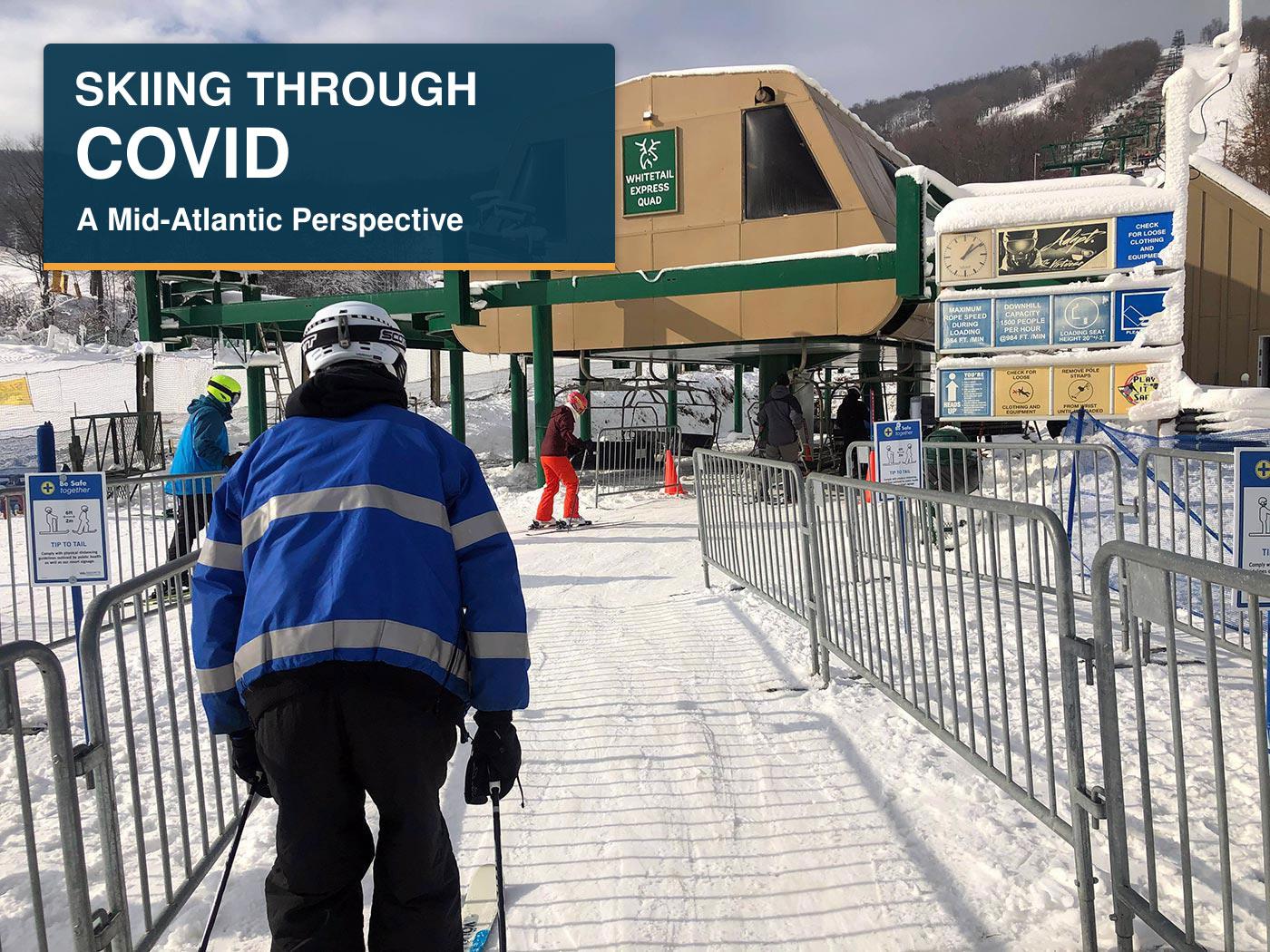
Masks, reservations, capacity limits, and parking-lot lunches made the 2020-2021 winter unlike any Mid-Atlantic ski season before it. Six years later, DCSki looks back at how resorts and skiers navigated the pandemic and how that period accelerated the shift toward advance ticket sales, mobile passes, online transactions, and other practices that remain with us today.
How much will it cost to get on the slopes this winter? The question has become surprisingly difficult to answer as date-specific ticket prices, advance-purchase discounts, passes, rentals, lessons, food, and travel send each skier’s total in a different direction. DCSki examines the prices Mid-Atlantic skiers are likely to encounter during the 2026-2027 season and offers some practical ways to keep the bill under control.
Fall brings a different kind of activity to Mid-Atlantic ski resorts, with Oktoberfests, foliage chairlift rides, mountain biking, live music, arts festivals, and even a celebration devoted to Bigfoot. DCSki rounds up some of the events worth checking out this fall as the mountains begin their gradual transition toward winter.
Buying a ski pass used to mean choosing a home mountain. And that was pretty much it. Today, Mid-Atlantic skiers must sort through national products, regional passes, reciprocal agreements, limited-day packages, blackout dates, and prices that change several times before winter. It can be overwhelming! DCSki tries to break through the confusion by examining the leading options for 2026-2027 and the skiers each one serves best.
One of the strongest El Niño events in the modern record is developing ahead of the 2026-2027 ski season, increasing the odds of an active, moisture-rich storm track across the East. DCSki looks at the latest forecasts, lessons from past El Niño winters, and the factors that could determine whether that moisture arrives at Mid-Atlantic ski areas as snow or rain.
Before webcams, navigation apps, digital lift passes, and group texts, Mid-Atlantic skiers relied on snow phones, paper trail maps, printed directions, and carefully chosen meeting places. This retrospective recalls the uncertainty and occasional adventure of skiing before the smartphone while considering how modern technology has made trips safer, easier, and better documented.
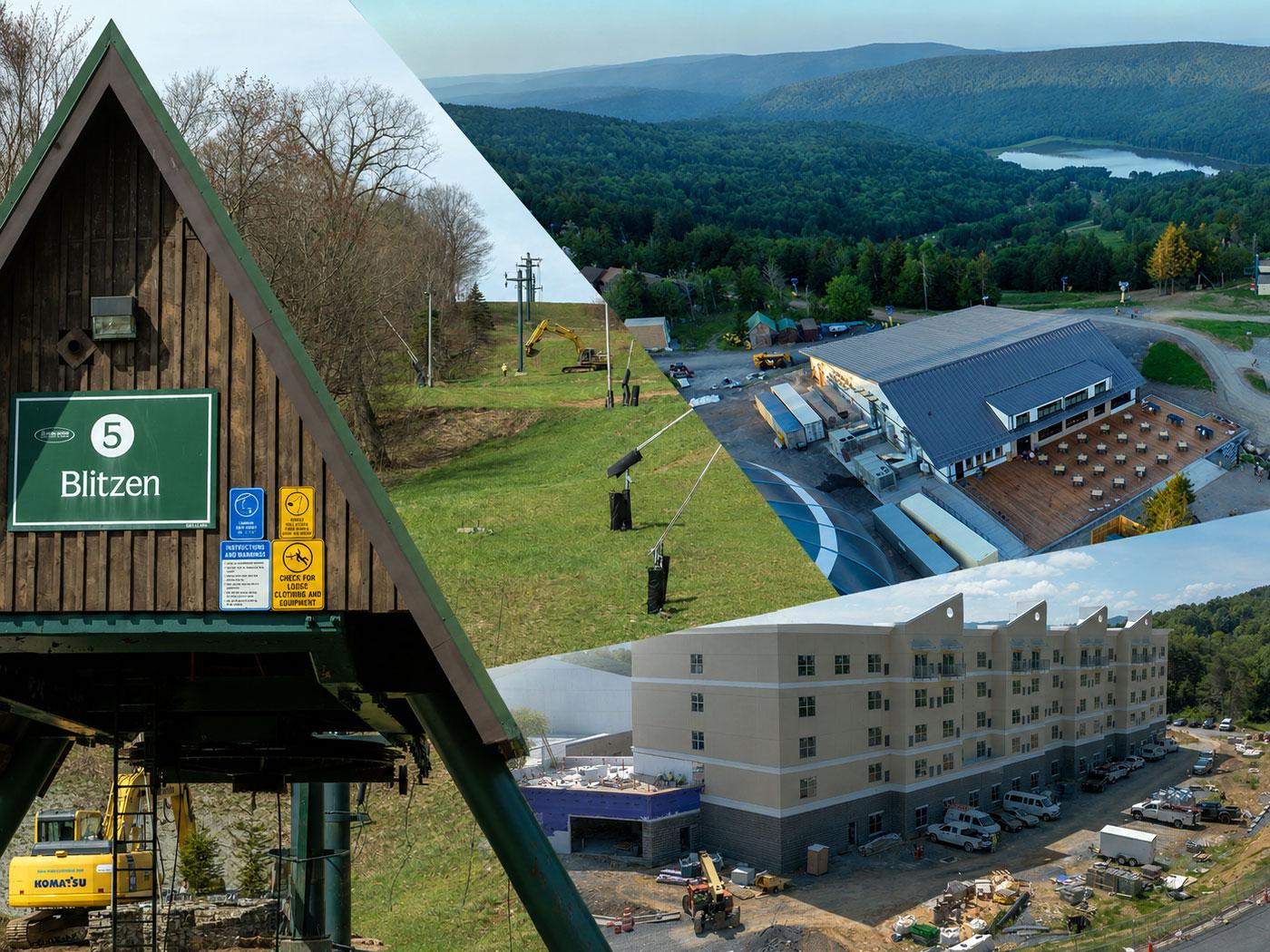
Mid-Atlantic ski resorts are preparing for the 2026-2027 winter season with new lifts, expanded snowmaking systems, improved skier facilities, and major lodging projects. DCSki takes a closer look at the enhancements and upgrades underway across the region at resorts such as Seven Springs, Wisp, Wintergreen, Snowshoe, and Massanutten.