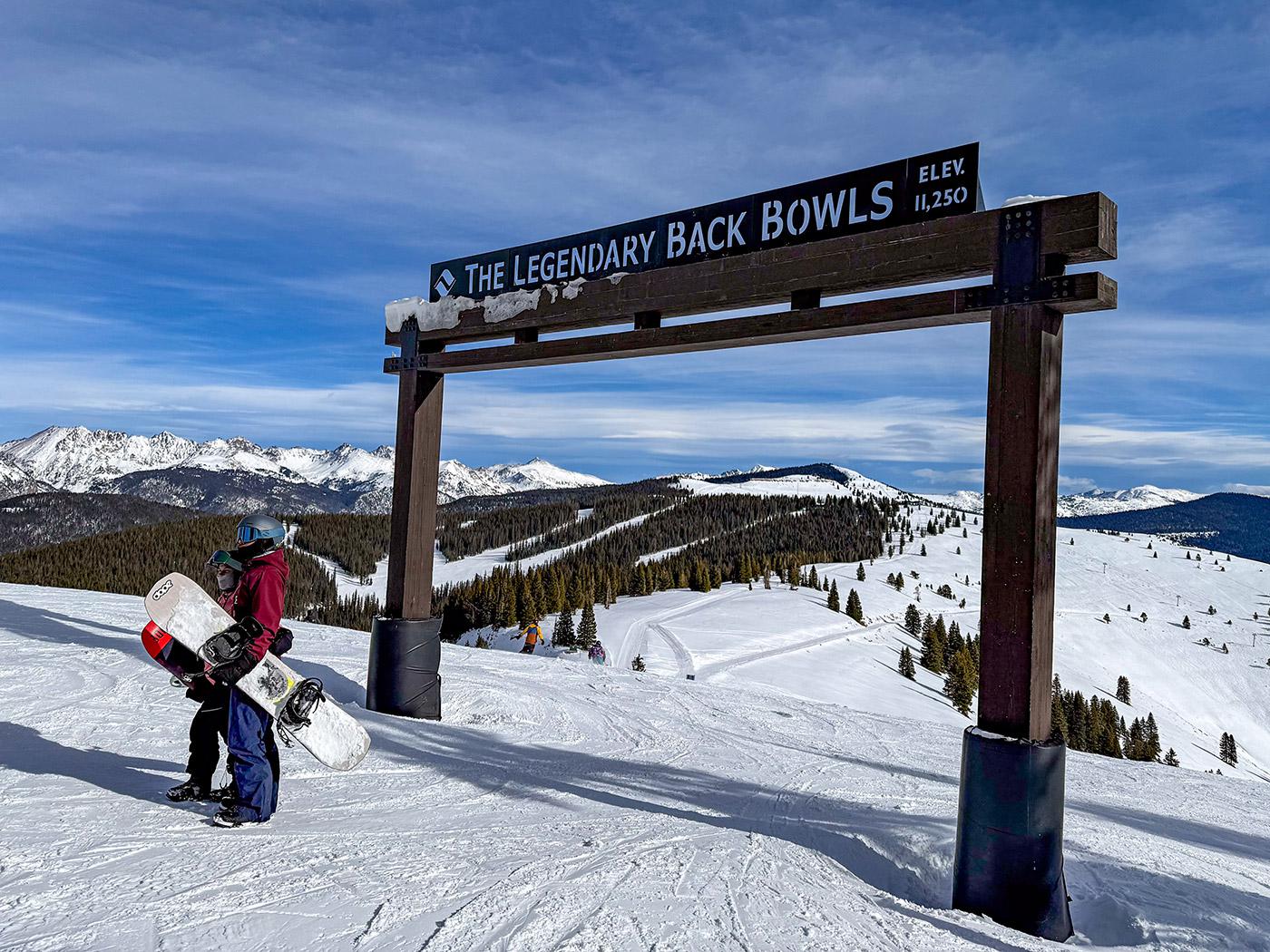
Vail Resorts reported weaker fiscal 2026 results and a 12 percent decline in advance pass sales for the upcoming 2026-2027 season after a historically difficult winter in the western United States. The company, which operates eight Mid-Atlantic ski areas, expects a rebound with more normal weather while continuing investments such as a new fixed-grip quad at Seven Springs.
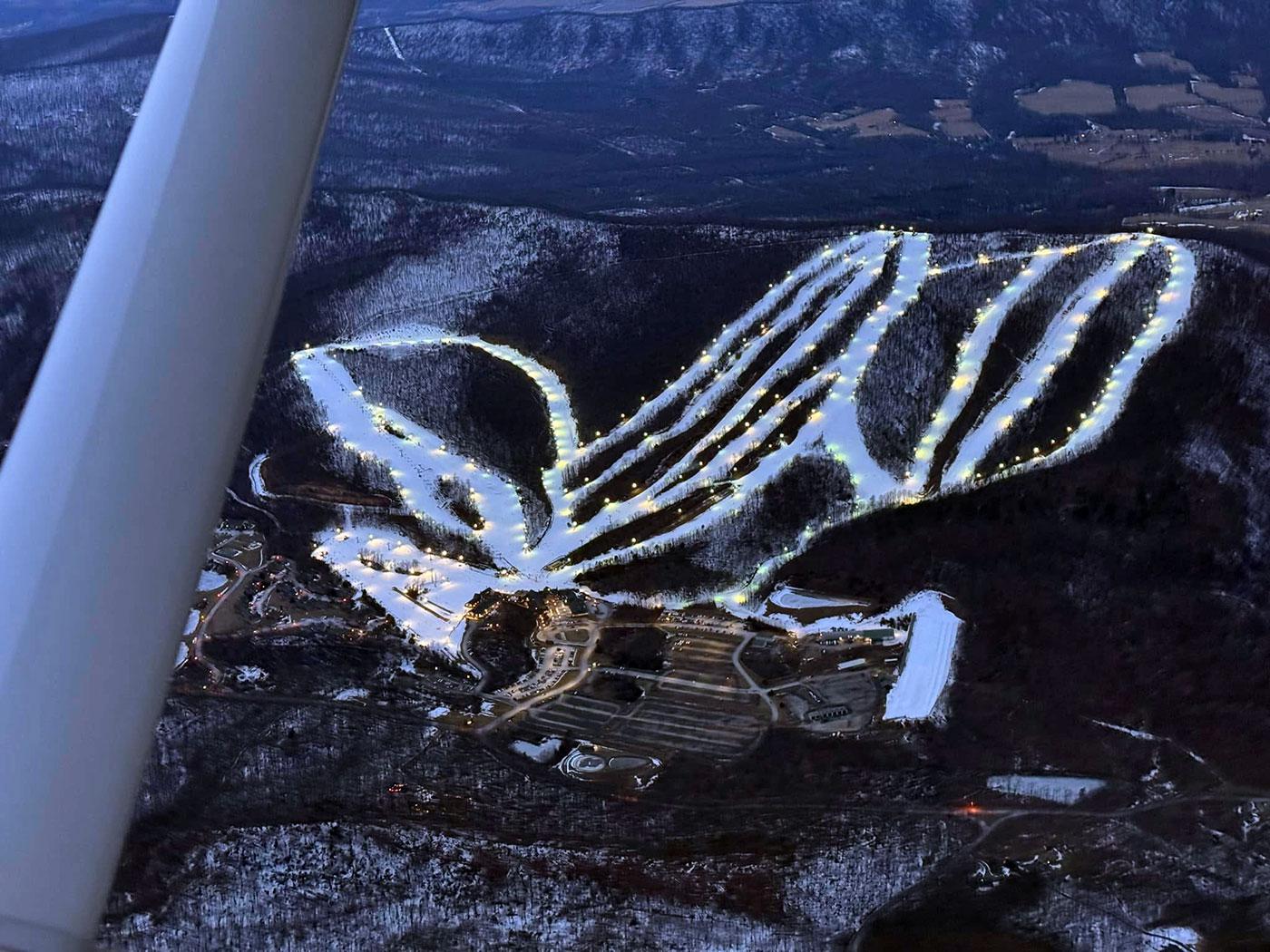
Night skiing has long been a defining part of the Mid-Atlantic ski experience, allowing school groups, working adults, and budget-minded skiers to hit the slopes after dark. DCSki looks at why available night-skiing hours have gradually decreased in recent years, and why skiing under the lights remains an important regional tradition.
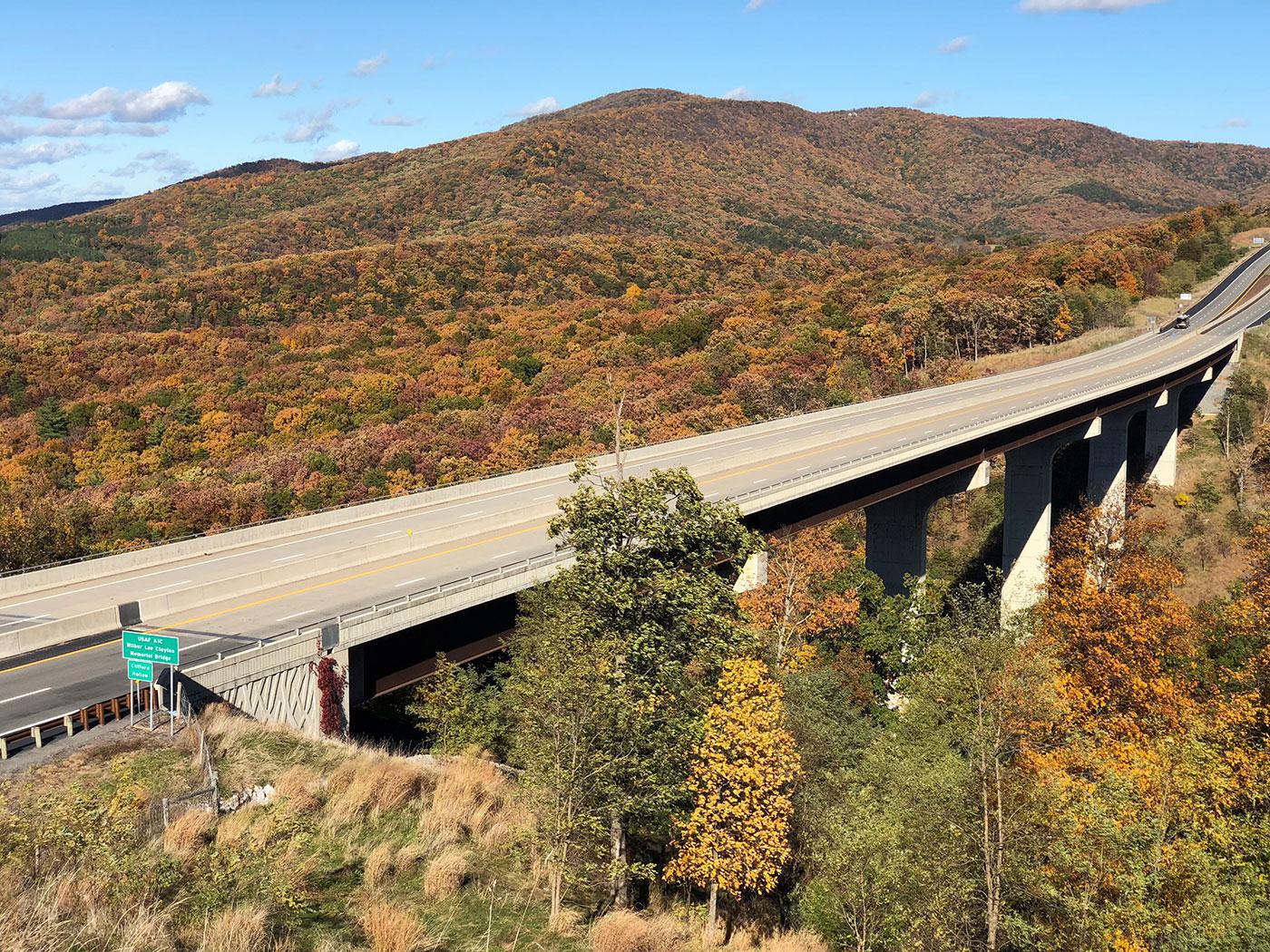
West Virginia’s Corridor H highway has steadily shortened and simplified the trip from Washington and Northern Virginia to Tucker County’s ski areas, including Timberline Mountain, Canaan Valley Resort, and White Grass. DCSki looks at how each completed section has changed the region’s place on the Mid-Atlantic ski map, while unfinished segments promise further improvements through 2034.
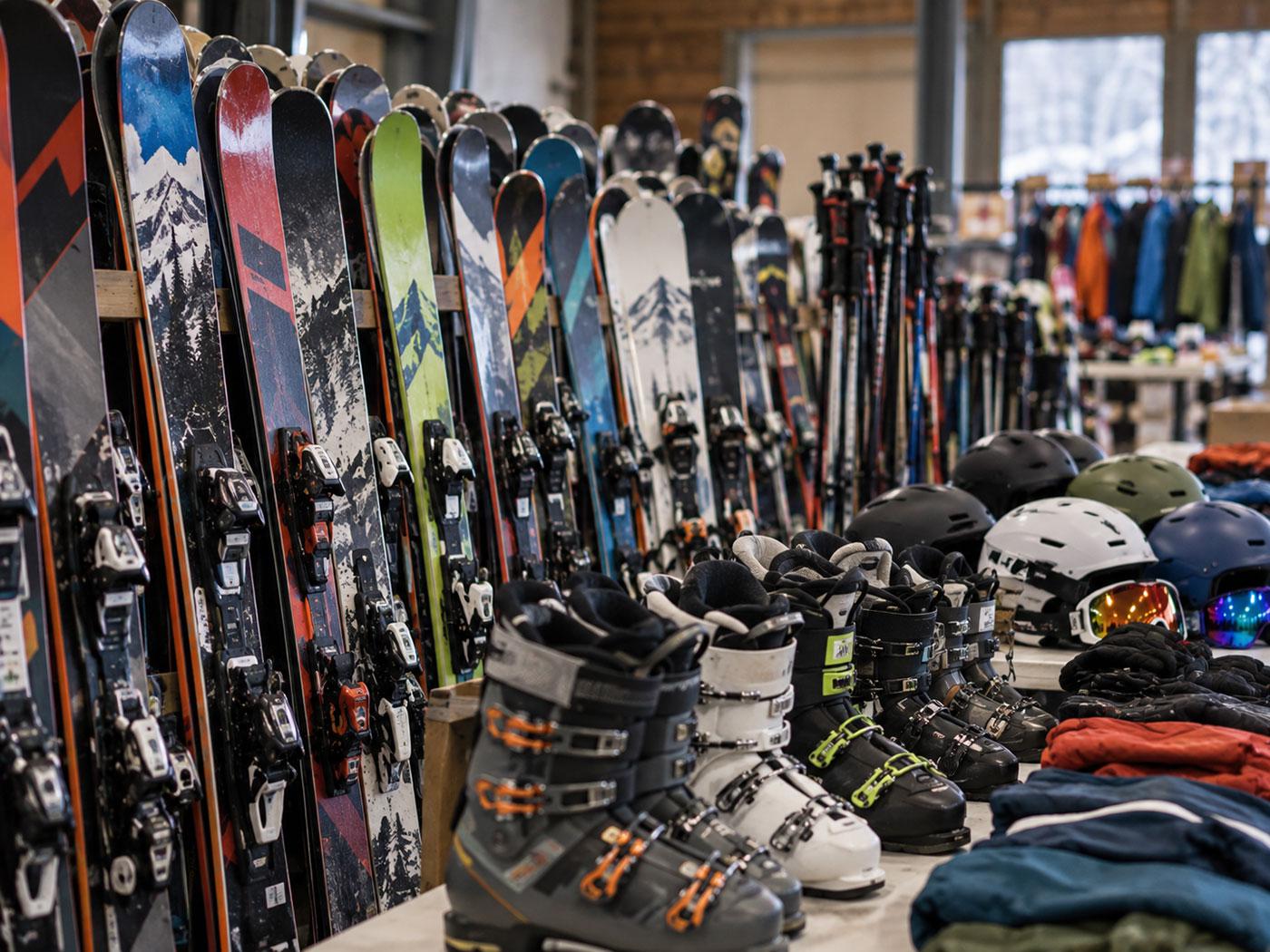
Fall 2026 ski swaps are taking shape across the Mid-Atlantic, giving skiers and snowboarders opportunities to buy affordable gear, sell unused equipment, and outfit growing children before winter. DCSki’s guide lists announced events from western Pennsylvania to North Carolina, including dates, locations, selling rules, and consignment details.
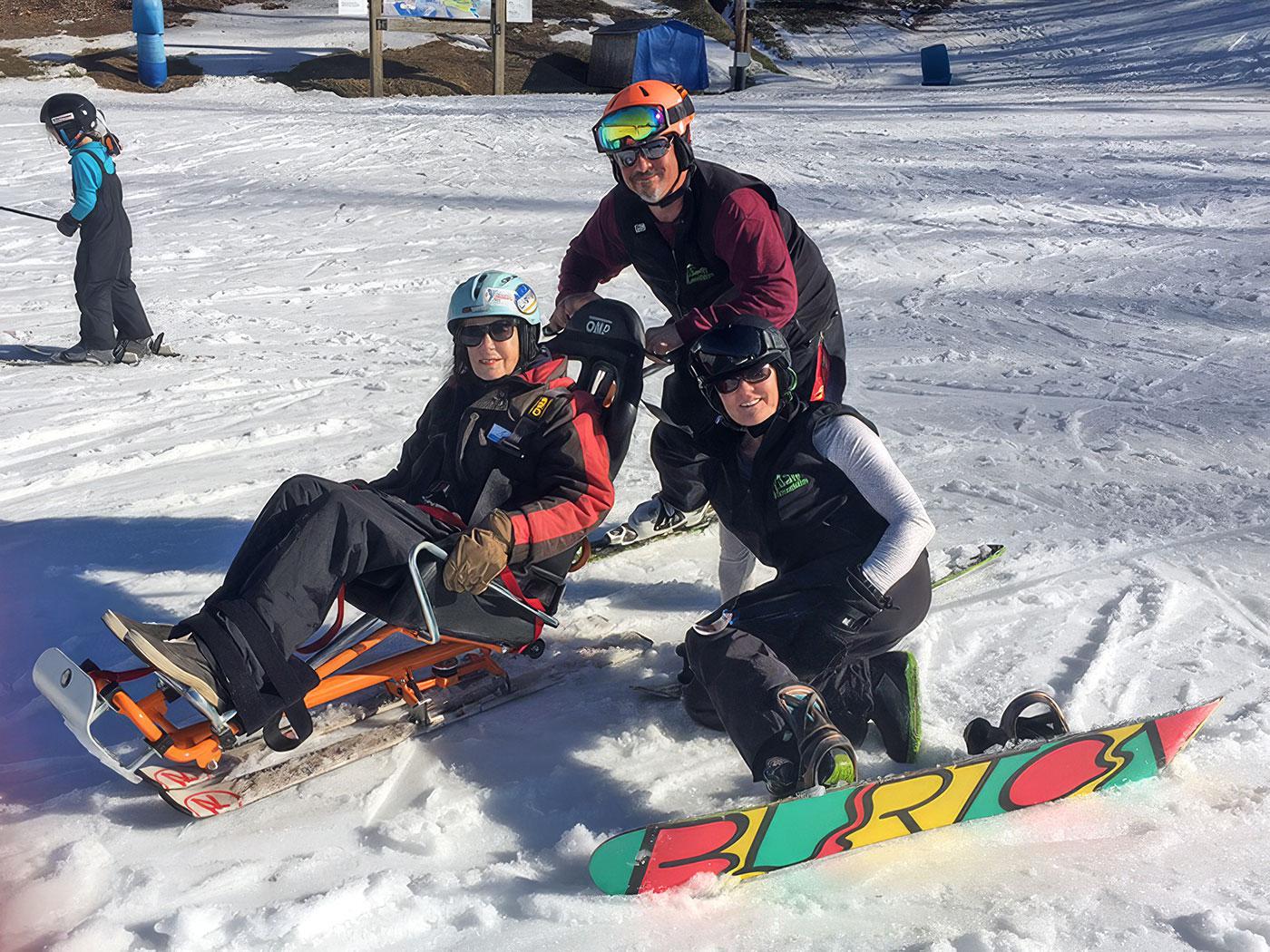
DCSki looks back at nearly three decades of adaptive skiing coverage in the Mid-Atlantic, from early stories about mono-skis, bi-skis, and outriggers to the growth of organized programs, volunteer networks, and dedicated facilities. Along the way, the feature follows the athletes, instructors, and advocates who expanded access to the slopes, including longtime DCSki Columnist Connie Lawn, who eventually experienced adaptive skiing herself.
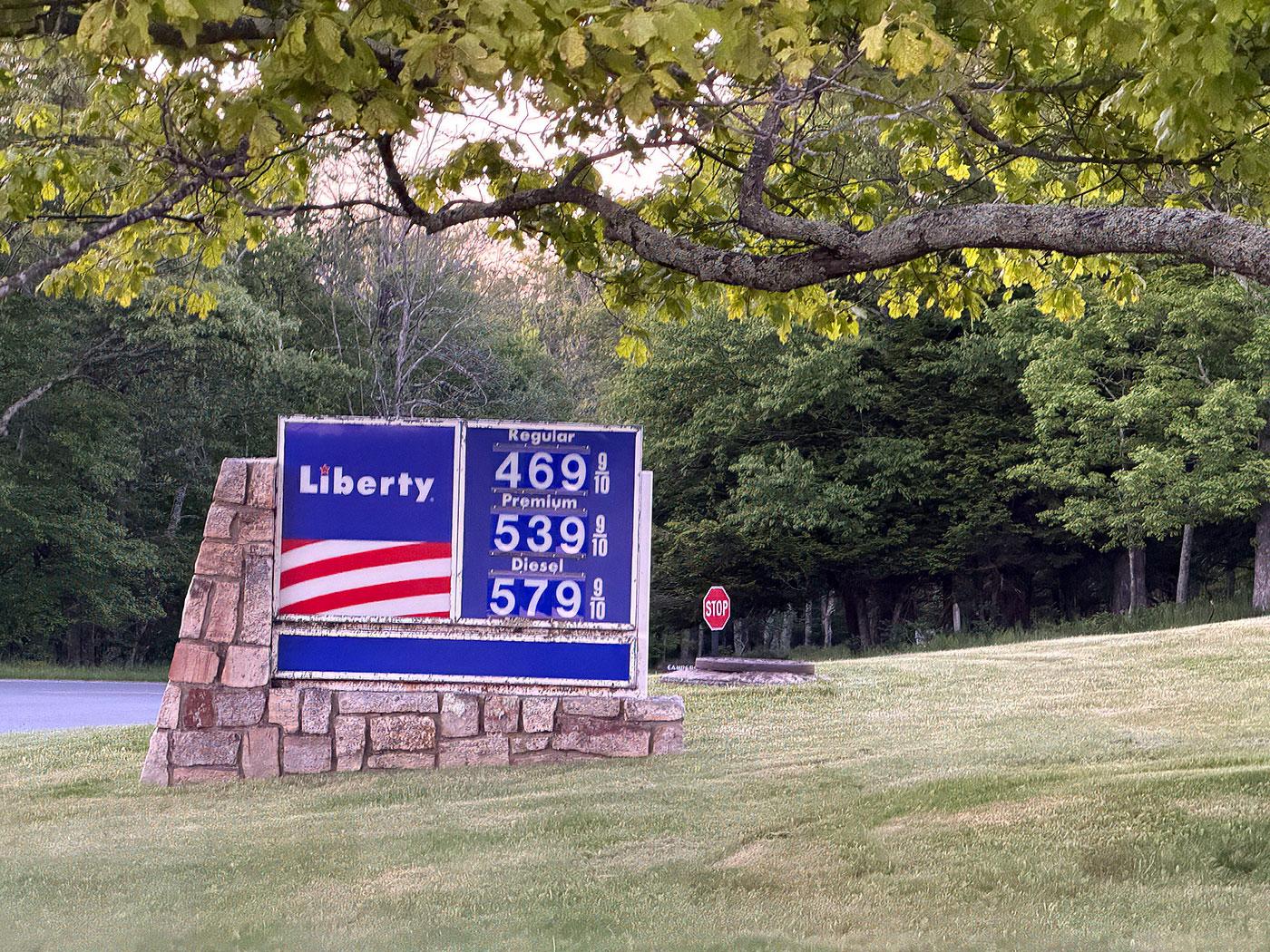
Higher gasoline prices could reshape ski plans for Mid-Atlantic families this winter, raising the cost of day trips and mountain vacations as broader inflation pressures squeeze recreation budgets. DCSki looks at how those pressures could affect driving decisions, western ski travel, and resort visitation.
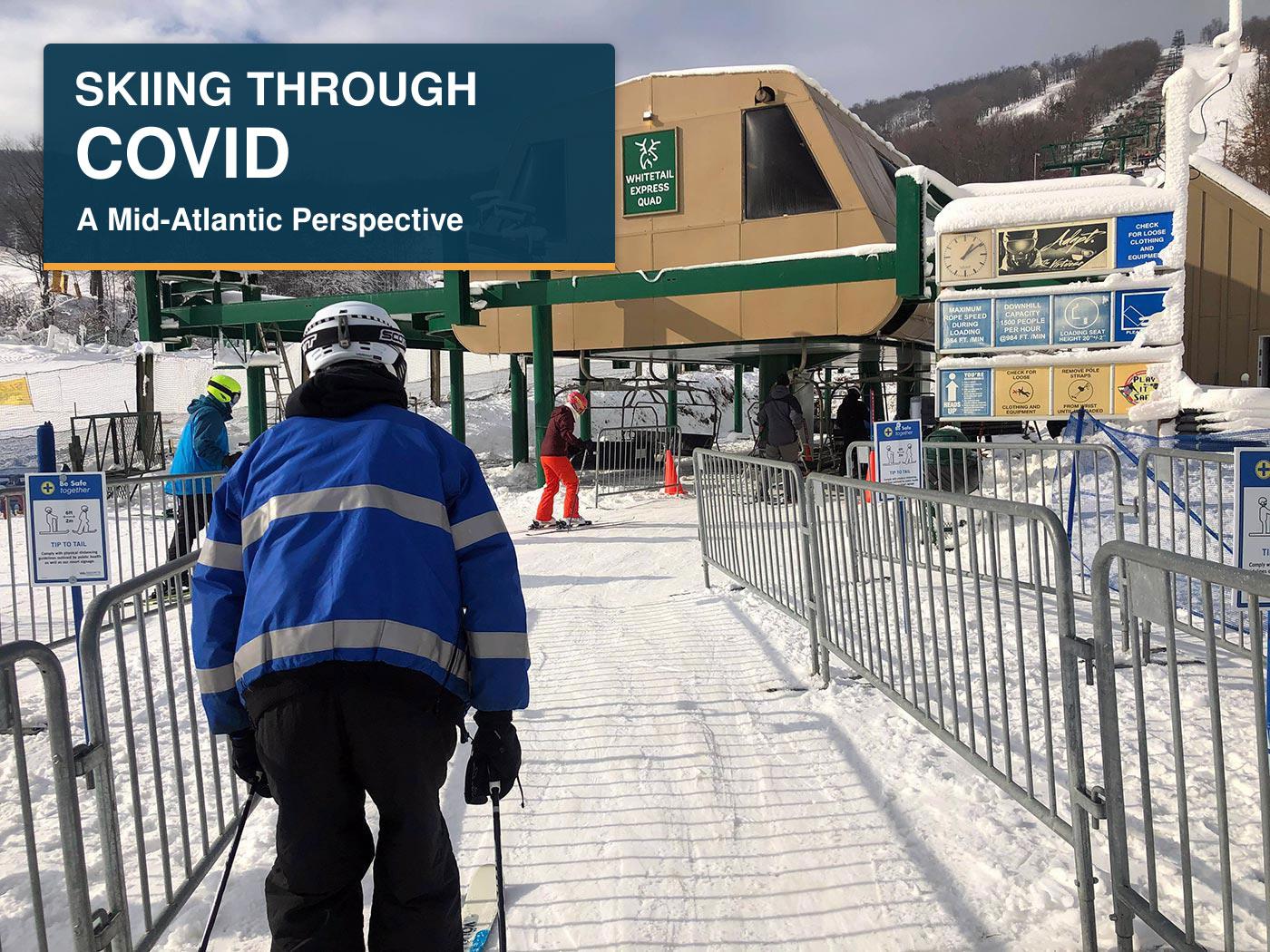
Masks, reservations, capacity limits, and parking-lot lunches made the 2020-2021 winter unlike any Mid-Atlantic ski season before it. Six years later, DCSki looks back at how resorts and skiers navigated the pandemic and how that period accelerated the shift toward advance ticket sales, mobile passes, online transactions, and other practices that remain with us today.
Skiing has become expensive, but bargains have not disappeared. DCSki looks across the Mid-Atlantic for the season passes, night tickets, family programs, lodging packages, and other offers that can still put skiers on the snow without draining the winter budget.
Buying a ski pass used to mean choosing a home mountain. And that was pretty much it. Today, Mid-Atlantic skiers must sort through national products, regional passes, reciprocal agreements, limited-day packages, blackout dates, and prices that change several times before winter. It can be overwhelming! DCSki tries to break through the confusion by examining the leading options for 2026-2027 and the skiers each one serves best.
One of the strongest El Niño events in the modern record is developing ahead of the 2026-2027 ski season, increasing the odds of an active, moisture-rich storm track across the East. DCSki looks at the latest forecasts, lessons from past El Niño winters, and the factors that could determine whether that moisture arrives at Mid-Atlantic ski areas as snow or rain.
By M. Scott Smith
No saved stories yet.Use the Save button on any story to build a reading list in this browser.