
On September 17, 2026, AAA reported a national average of approximately $4.44 per gallon for regular gasoline, compared with $3.20 a year earlier. Prices had climbed about 16 cents in a week amid continued disruptions to international oil supplies.
Recent reporting suggests further increases could be ahead. The Wall Street Journal reported that months of supply disruptions have drawn down commercial fuel inventories, while a recent attack shut down Saudi Arabia’s East-West pipeline, an important alternative to shipping through the Strait of Hormuz. Oil executives warned of mounting shortages.
Nobody knows what a fill-up will cost by opening day. The U.S. Energy Information Administration’s September outlook anticipates restrictions on Middle Eastern oil exports continuing through the end of 2026. Although the agency forecasts lower average gasoline prices in 2027, it expects them to remain above the 2025 average. That outlook was completed September 3, though, before the latest pipeline disruption.
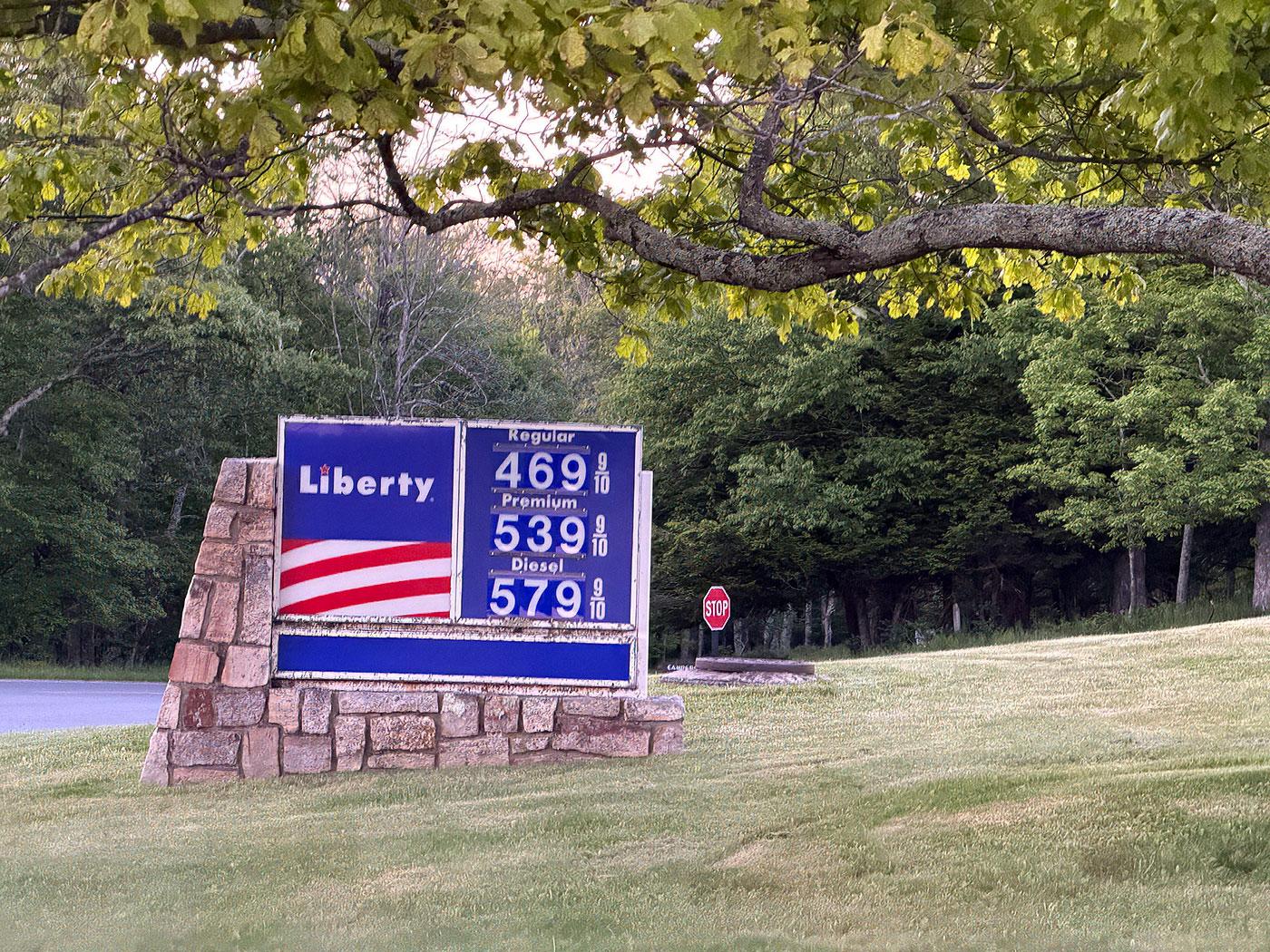
If current prices persist, an SUV averaging 22 miles per gallon would use about $40 in gasoline for a 200-mile round trip, compared with $29 at last September’s average price. For a 500-mile round trip, the difference grows to approximately $28: $101 instead of $73.
An extra $28 might have little influence on a family’s planned mountain vacation. Divided among four friends, it amounts to $7 apiece. But those costs add up for multiple trips during a season.
The greater concern may be what families have left to spend after paying their everyday bills. Diesel has reached record prices as supply disruptions mount, increasing the expense of transporting groceries and other goods. Those costs can work their way into household purchases, leaving less money for recreation before anyone starts planning a ski trip.
As much as we might consider skiing a winter necessity, it remains an optional expense. Families trying to save money could drop a mountain weekend or make fewer day trips because of broader budget pressures, even if the additional gasoline expense alone would not have changed their plans.
For regional resorts, the effects could go in several directions. Washington-area skiers might choose Liberty, Whitetail, or Roundtop over a longer drive, while others could substitute a Mid-Atlantic vacation for a western trip. Resorts could gain some of that redirected business while losing visits from customers cutting back.
Skiers planning to fly west face additional concerns. United Airlines CEO Scott Kirby told reporters in August that he expects fares to continue rising into the first half of 2027, with strong demand helping the airline recover higher fuel expenses.
“I think you’re going to still see gradual increases in fares,” Kirby said, according to Reuters.
Resorts also have their own fuel bills, including expenses associated with equipment and deliveries. How higher operating costs might affect guest prices will depend on each operator’s circumstances. But we’re clearly in an inflationary environment, leading the Federal Reserve to raise its benchmark rate by a quarter percentage point on September 16, in an effort to bring inflation back towards its 2 percent target.
It is too early to predict what all of this will mean for attendance. Fresh snow in the West Virginia highlands has persuaded plenty of local skiers to spend another few hours in the car, and a cold, snowy winter would provide strong encouragement to keep going. Sharing rides and splitting expenses can help, too.
Still, a season pass does not cover the cost of reaching the mountain, and a good snow report does not pay the household bills. For some families, this winter’s decision may come down to how often they can afford to go.


Reader Comments