When DCSki first appeared in 1994, finding independent information about Mid-Atlantic skiing was surprisingly difficult. Resorts offered recorded snow reports and printed brochures, but skiers had few places to learn what conditions were really like, how crowded a mountain had been, or whether a particular destination was worth the drive.
DCSki began as my attempt to fill that gap, first through an e-mail newsletter and soon through the emerging World Wide Web. Although I wrote most of the early news stories, the site quickly became richer when other skiers and snowboarders began sharing their own experiences. This story isn’t about me; it’s about the many contributors who have helped diversify the perspective of DCSki over its entire history.
Some submitted a single firsthand report after a memorable day on the slopes. Others returned repeatedly and became regular columnists, documenting years — and eventually decades — of skiing. Together, they expanded DCSki beyond the observations of one editor and gave the site a wide assortment of voices, interests, backgrounds, and perspectives.
Their stories ranged from opening-day reports at Liberty to powder adventures in Japan; from instructions for first-time skiers to accounts of heli-skiing; from family vacations and adaptive sports programs to reflections on aging, friendship, and loss. Taken together, they form a history of recreational skiing as experienced by the people who packed their cars, drove into the mountains, and wrote down what happened.
Advice from “Uncle Otto”
One of DCSki’s earliest columnists was Otto Matheke, a PSIA-certified instructor at Liberty Mountain. Beginning in 1998, Otto contributed practical articles aimed at helping ordinary skiers navigate the sport.
He explained how to shop at preseason sales and ski swaps, offered detailed guidance on finding properly fitted ski boots, and described what it takes to become a ski or snowboard instructor. His articles captured an era when shaped skis were still relatively new, online shopping was in its infancy, and most families equipped themselves by visiting local ski shops and swaps.
Otto’s most memorable contribution may have been “Your First Time,” published in January 1999. Writing with the reassuring voice of an experienced instructor — and frequently referring to himself as “your uncle Otto” — he addressed nearly every anxiety a prospective skier might have. Could an older or unathletic person learn? What should someone wear? Was a lesson necessary? Would borrowing Cousin Floyd’s old equipment be a good idea?
His response to friends or spouses who offered to teach a beginner was characteristically direct: unless they were trained instructors, racers, or coaches, letting them take charge could be a fast route to frustration and possibly a messy breakup.
Behind the humor was a serious effort to make skiing less intimidating. Otto understood that local hills played an essential role in introducing people to the sport. His articles offered readers information they could use before ever setting foot on snow.
A View from the Ski Patrol
James “Jim” Chen has brought a different perspective to DCSki. A National Ski Patrol member and longtime patrol director at Liberty, Jim began contributing in 1999 and has written 28 stories since.
His reports have often drawn on his view from inside mountain operations. He’s explained the role of the ski patrol, offered advice on preventing common injuries, described how to assist an injured skier while waiting for help, and discussed Liberty’s efforts to improve slope safety. His frequent Liberty reports also captured the rituals familiar to generations of local skiers: anxiously awaiting opening day, evaluating early-season coverage, and watching the mountain expand as snowmaking temperatures permitted. Those stories can be explored through Jim’s complete DCSki archive.
Jim’s travels eventually carried DCSki readers beyond the Mid-Atlantic. In 2003, he returned from Whistler-Blackcomb with an enthusiastic account of his first helicopter-skiing experience, titled “Helicopter Skiing: Man, You Have Got to Try This!” The story was quite a leap from an opening-day condition report at Liberty.
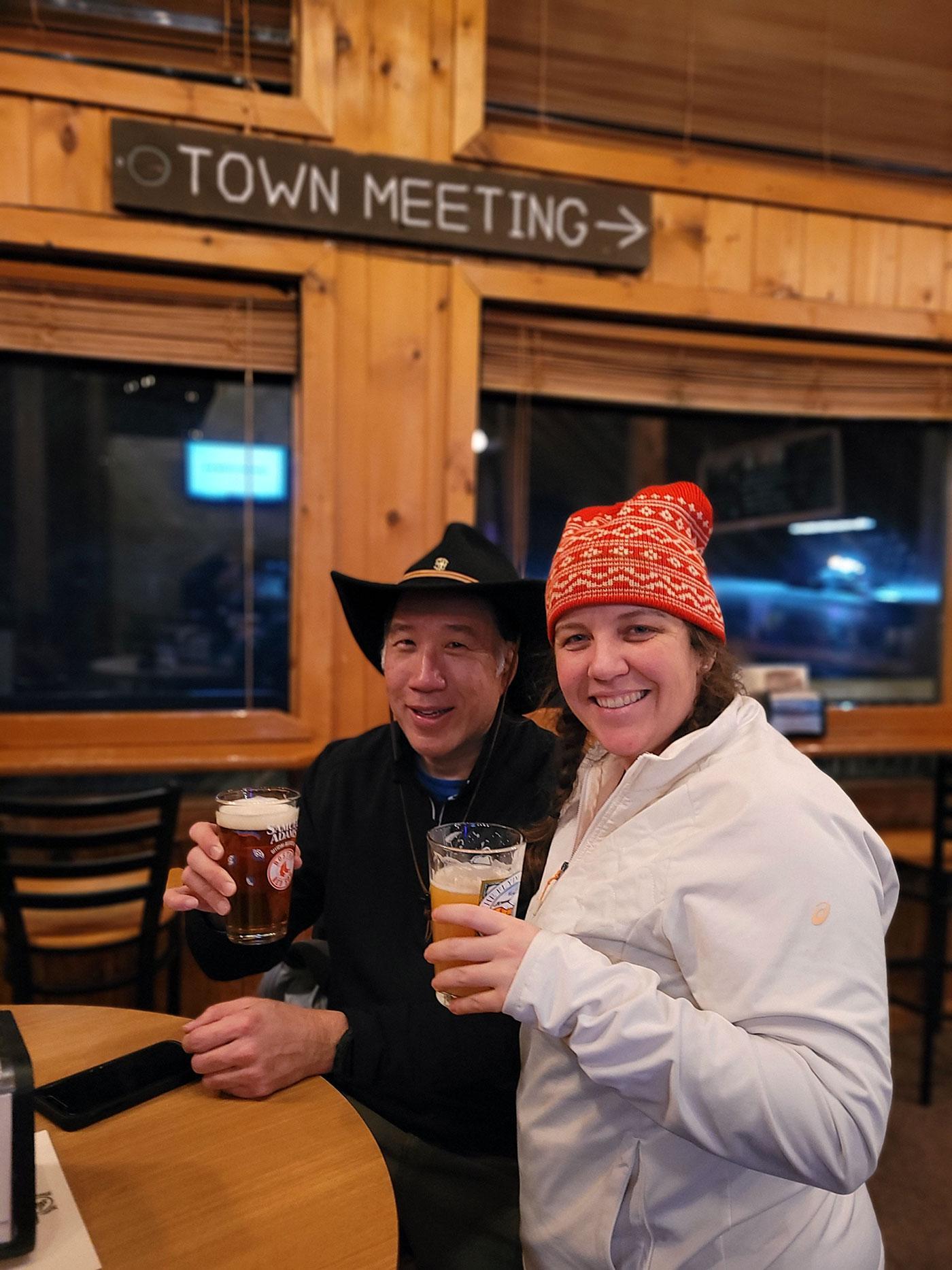
After nearly 30 years at Liberty, Jim and his family moved to New England in 2024. In “Moving North - Firsthand Report from Ragged Mountain Resort,” he reflected on joining a new patrol and mountain community. His body of work consequently spans several stages of a skiing life: local patroller, traveling skier, patrol leader, and newcomer finding a home on another mountain.
Jim Kenney and a Lifetime on Snow
Few people have contributed more firsthand experience to DCSki than Jim Kenney. A D.C.-area native who began skiing in 1967, Jim joined the site as a columnist in 2000 and has written 138 stories.
Jim’s reports have always been grounded in the perspective of a dedicated recreational skier. He notices terrain, snow quality, lift operations, costs, crowds, lodging, and the small logistical details that determine whether a trip succeeds. He has covered local mountains, major western destinations, New England classics, and international resorts, usually with the practical question of whether a fellow Mid-Atlantic skier would enjoy the same experience.
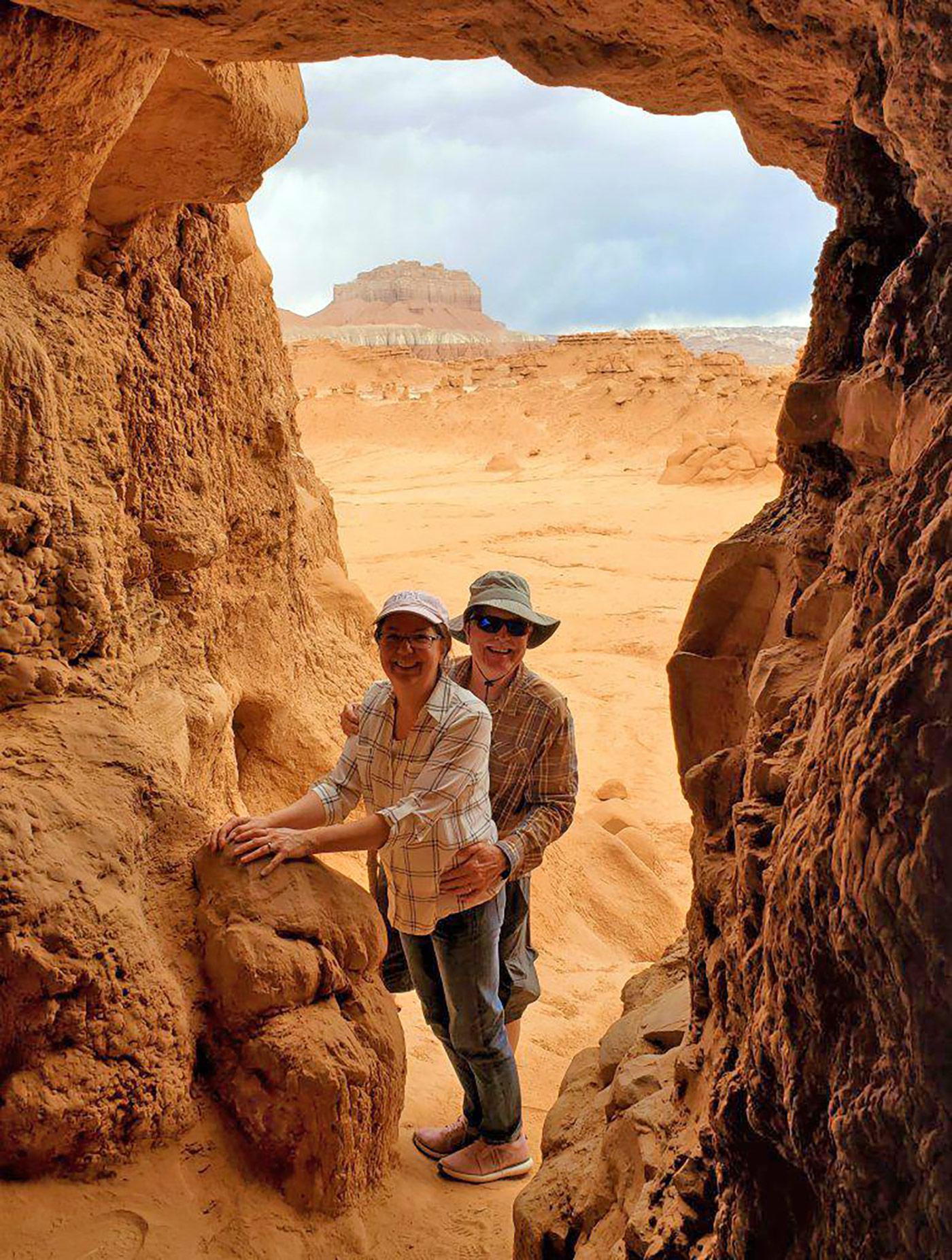
His work has also documented some extraordinary days close to home. After the February 2010 storms buried Pennsylvania, Jim visited Blue Knob and described one of the finest local ski days in his decades on snow. Natural snow filled the glades, steep trails developed enormous soft moguls, and familiar Mid-Atlantic terrain temporarily took on the character of a much snowier mountain.
Jim’s reporting has earned the West Virginia Division of Tourism’s 2009 “Stars of the Industry” award for Best Web/Internet/E-Magazine Article. Yet many of his most enduring stories center on family and friendship. Readers watched his son Vince grow from a young skier into a skilled instructor and traveling companion. Reports about father-and-son journeys gradually gave way to group gatherings that brought online friends together on snow, including a 2009 gathering at Blue Knob and a 2014 weekend at Timberline and Canaan Valley.
In 2015, retirement allowed Jim to undertake his “Geezer Ski Bum Tour,” a two-month journey documented through reports from Utah, Wyoming, and Colorado. A decade later, his feature “Aging Into Skiing” drew lessons from 58 consecutive winters. He explored the fitness, finances, friendships, humility, and adaptability that allow someone to keep skiing deep into retirement.
Those later stories add something that no ordinary resort review can provide: the passage of time. Through Jim’s contributions, DCSki readers have followed a life organized, in part, around winter.
John Sherwood’s Search for Great Terrain
John Sherwood began writing for DCSki in 2001. A military historian and author who learned to ski in Massachusetts, he has brought an analytical eye to 112 stories spanning the Mid-Atlantic, New England, the Rockies, Utah, and Europe.
For many years, John has been a Timberline season passholder and a connoisseur of West Virginia powder. His early reports arrived during difficult winters when only Snowshoe and the high mountains of Tucker County could rescue a season for Washington-area skiers. In December 2001, after an exceptionally warm start to winter, he documented how Snowshoe’s snowmakers had managed to open useful terrain with only a handful of cold days.
John’s stories have frequently looked beyond trail counts. He takes an analytical approach to examining mountain design, lift-served vertical, snowmaking, transportation, food, lodging, and the overall customer experience. If a resort earn’s John’s praise, it’s probably doing something well.
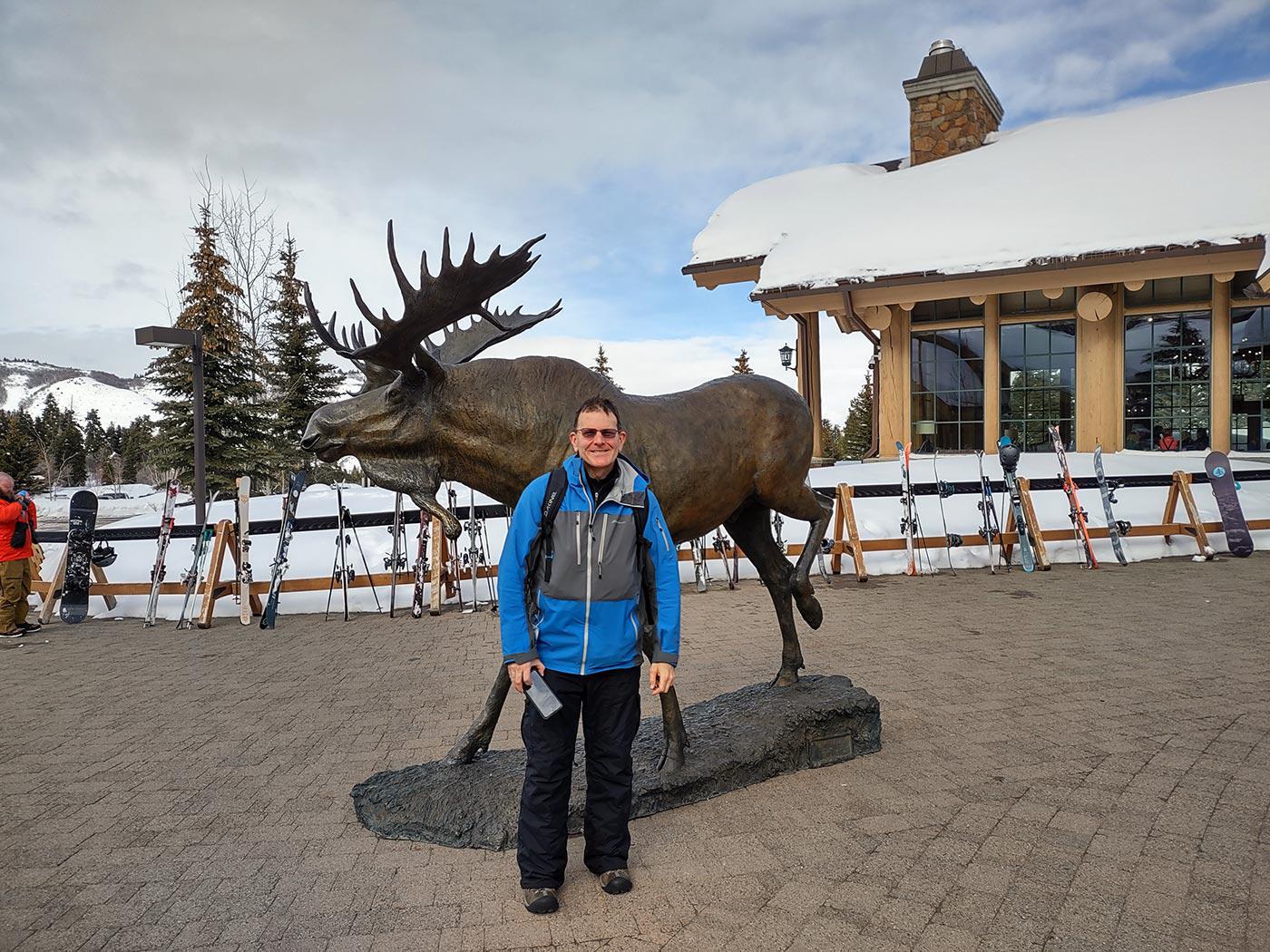
That approach is apparent in his many reports from Utah’s Snowbasin, a mountain he has revisited repeatedly. His 2023 Snowbasin report celebrated deep snow, varied terrain, and convenient public transportation while candidly noting rising crowds and declining food quality. The result was neither promotional copy nor a complaint; it was the assessment of someone who knew the mountain well enough to recognize how it had changed.
John’s work has also preserved personal connections to places. In a 2018 story about Stowe, he revisited the mountain that had given him his first big-mountain experience as a teenager, became his college-break destination, and later served as the first ski area he visited with his wife. The modern resort was dramatically different, but the memories remained embedded in its terrain.
Connie Lawn, the Skiing White House Reporter
Connie Lawn brought one of DCSki’s most distinctive voices. A White House correspondent whose reporting career began in 1968, she described herself as “The Skiing White House Reporter.” Starting in 2003, she contributed 178 stories — the largest collection by any DCSki columnist other than its editor.
Connie covered destination resorts and local hills with the same enthusiasm. Her reports might incorporate skiing, history, lodging, restaurants, resort personalities, and chance encounters. Her visit to Bretton Woods naturally included the Mount Washington Hotel, the creation of the World Bank and International Monetary Fund, the nearby weather observatory, and the scientists working above the clouds.
She frequently traveled and wrote with her husband, Charles Sneiderman, whose photographs accompanied many of her reports. Their stories documented visits to Liberty, Whitetail, Snowshoe, Wintergreen, and destinations across North America and beyond.
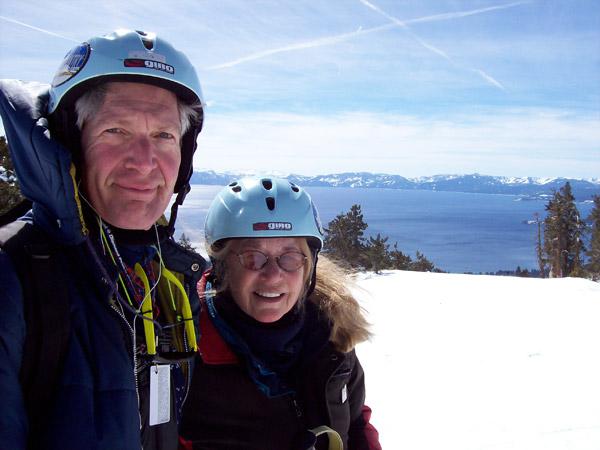
Connie developed a particular interest in adaptive snowsports. She reported on adaptive skiing at Snowshoe, the launch of Whitetail’s adaptive sports and Wounded Warrior program, and programs for athletes with disabilities at Liberty and Whitetail. Her coverage introduced readers to the instructors, volunteers, equipment, and athletes behind organizations such as Blue Ridge Adaptive Snow Sports and Two Top Mountain Adaptive Sports Foundation.
Those articles widened DCSki’s view of who belongs on the mountain. They also recorded the growth of adaptive programs that became important parts of the Mid-Atlantic snowsports community.
Connie continued contributing despite a long struggle with Parkinson’s disease. She died in 2018, leaving behind an extraordinary archive that blends ski journalism, travel writing, advocacy, and an irrepressible desire to meet people. Years later, Matthew Graham remembered her in “Back to Liberty,” connecting two DCSki columnists through the memories of people no longer riding beside them.
For many years, Charles Sneiderman was a familiar presence in Connie Lawn’s stories, taking photographs, accompanying her on trips, and sharing her support for adaptive snowsports. After Connie’s death, Charles began contributing under his own byline.
A semi-retired family physician and longtime cross-country skier, Charles has focused on senior and adaptive recreation. His articles combine useful reporting with a willingness to laugh at himself.
In “Nordic Norm and the Silver Streakers,” he dusted off his telemark equipment and took a personalized lesson at Liberty. In “Suburban XC Ski Adventure Becomes an Out of Body Experience,” his attempt to revive 40-year-old cross-country ski boots during a suburban snowstorm ended when the boots disintegrated beneath him.
Charles’s stories preserve a connection to Connie while establishing a voice of his own. They also reinforce a theme found across the archive: snowsports can remain part of life as goals, bodies, equipment, and circumstances change.
Adventure, Humor, and the Unexpected
Matthew Graham has contributed 37 stories since 2002, drawing on a life filled with outdoor pursuits ranging from skiing and climbing to diving, sailing, hang gliding, and polo.
His reports are often adventures in the fullest sense. In “Snowshoe in the Rain,” Matthew and his wife Karen waited at the top of Ballhooter while winds gusted above 30 miles per hour and rain blew sideways. They knew from experience that the wet snow could be remarkably fast, and they were rewarded with an almost empty mountain.
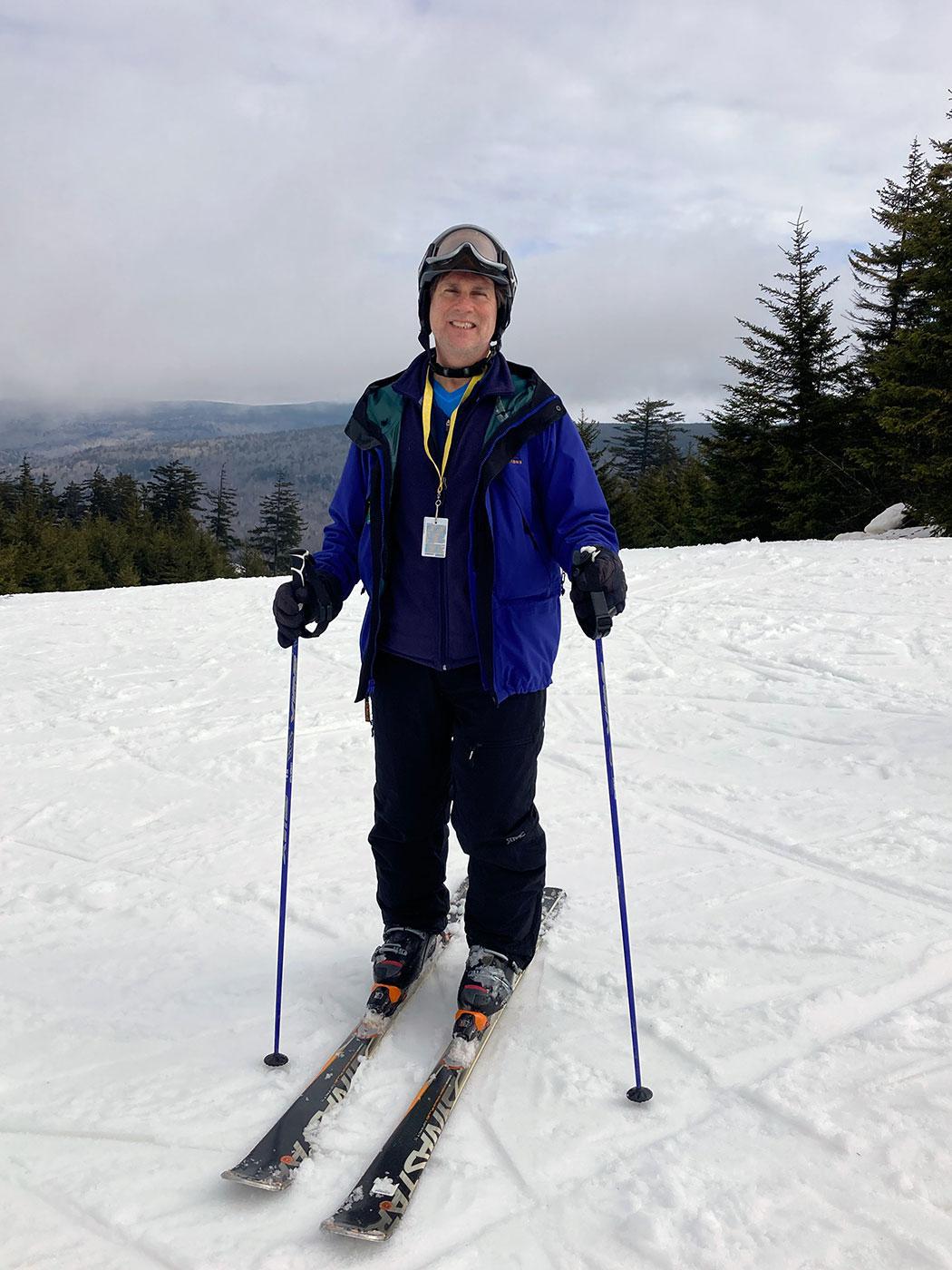
He has also shared strategies for avoiding weekend crowds at Wisp and Whitetail and declared Vermont’s Stratton Mountain “so good you’ll cry” in a report involving skiing, friendship, and a considerable number of waffles. The details beyond the trail surface — companions, meals, mishaps, weather, and absurd moments — give his stories their personality.
His writing took on added emotional depth after Karen died in 2015. In “Back to Liberty,” published in 2024, Matthew returned alone to the first mountain they had skied together in 1986 and the last place they visited before her death. The trails became markers in a shared life that had carried them across the United States and Europe.
The story demonstrates how a firsthand report can evolve beyond an account of conditions. A ski area can hold decades of memories, and returning to it can become a way of revisiting the people who once shared the chairlift.
Searching for the Mountains Others Miss
Robbie Allen learned to ski on Whitetail’s opening day, but his greatest affection has always been for smaller and lesser-known ski areas. Since joining DCSki in 2008, he has contributed 66 stories, many under the “Going Further Afield” banner.
Robbie’s travels have taken him from 150-foot local hills to the Swiss Alps, Ski Dubai, Japan, and ski areas in more than 30 states. Even when visiting famous ski regions, he often bypasses the marquee resort in favor of the overlooked mountain down the road.
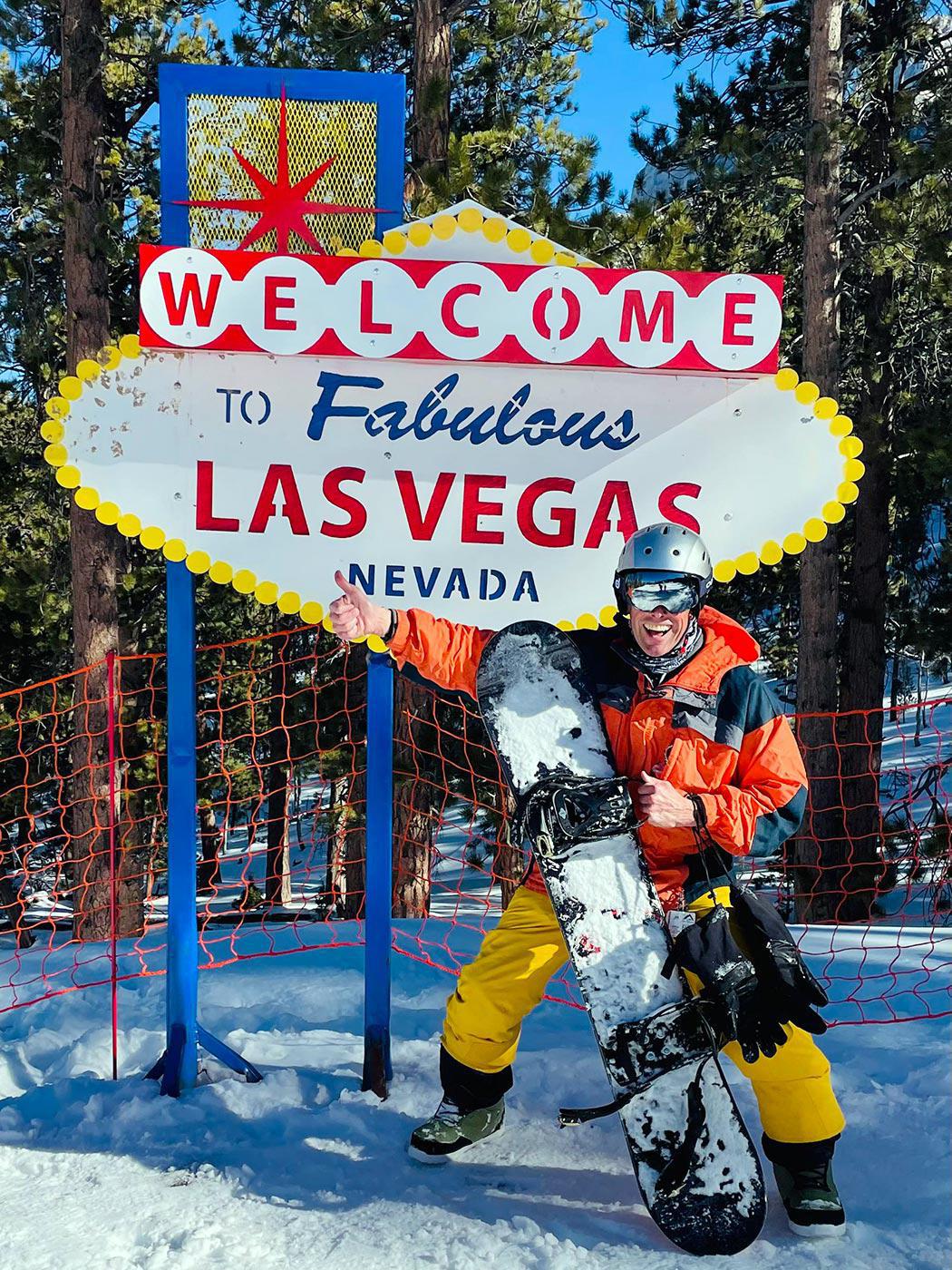
His 2009 report from Spring Mountain celebrated a Pennsylvania hill with only 450 feet of vertical because it offered the kind of accessible, affordable local skiing that helps sustain the sport. Subsequent reports explored community hills, municipal ski areas, resurrected resorts, and mountains that still seem to operate in an earlier era.
His adventures also became increasingly ambitious. In one report, Robbie described skiing for 24 hours at Stevens Pass to raise money for cancer research. In another, he chronicled skiing six Utah resorts in a single day. His journeys eventually extended to small ski areas in northern Japan and the famously snowy slopes of Niseko United on Hokkaido.
The Allen family became part of DCSki’s extended story along the way. Robbie’s wife and children appeared in years of reports as “The Team.” His son Spencer subsequently became an independent world traveler sharing his adventures on YouTube, carrying the family appetite for unfamiliar mountains into another generation.
From Snowshoe to New Hampshire
Lou Botta began writing for DCSki in 2001. Born in Cuba, raised in New England, and introduced to skiing while attending college in Vermont, Lou spent 22 years as an Air Force pilot and traveled to more than 50 countries.
His DCSki stories reflect that geographic range. One early report examined a difficult and unusually warm visit to Whistler-Blackcomb, where poor snow affected mountains on both sides of the continent. Other trips took readers to Snowshoe, New England, the Rockies, and Europe.
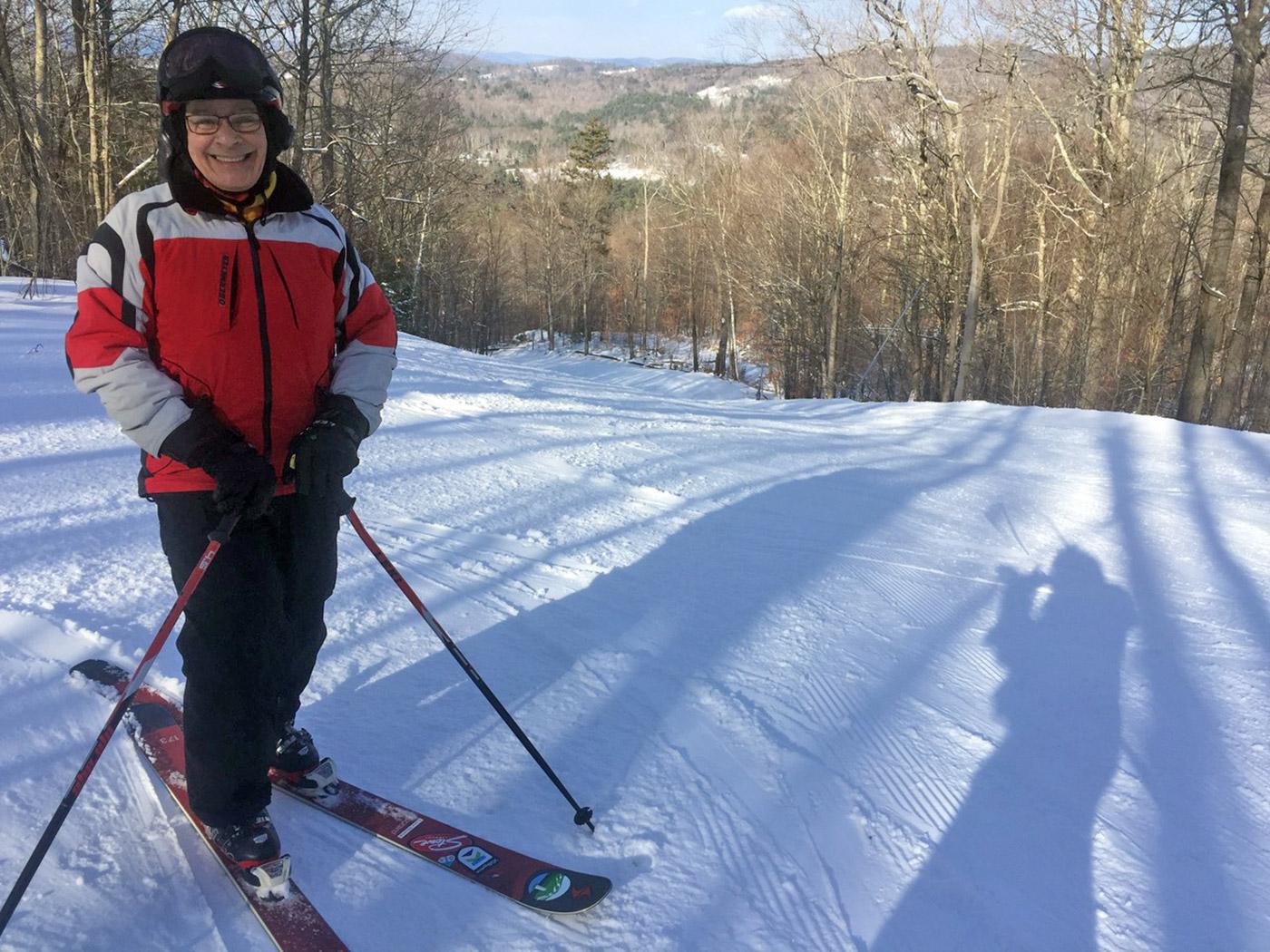
After retiring to New Hampshire, Lou began a new project: visiting every ski area in the Granite State. His “Granite State and Lou” series has explored major resorts, small family mountains, independent operations, and areas that have returned from long closures. The full collection can be found in Lou’s DCSki archive.
Like several longtime DCSki writers, Lou’s changing home base expanded the publication’s reach. A Mid-Atlantic contributor became a local correspondent in New England while continuing to write for the community where his work began.
When Readers Became Reporters
Regular columnists have provided continuity, but guest authors have supplied some of the archive’s most varied perspectives. Their contributions have turned DCSki readers into on-the-scene correspondents, and we always welcome new submissions.
In 2002, snowboarder Albert Marsh described being “bitten by the snowboarding bug” after visiting Whitetail. Facing a forecast near 60 degrees and a rapidly disappearing season, he confronted a familiar Mid-Atlantic decision: should he skip work after lunch to head to the (rapidly melting) snow?
High school senior Colleen Kenney (daughter of DCSki Columnist Jim Kenney) contributed a 2003 account of a lesson at Wisp, describing her effort to make the transition from wedge turns to parallel skiing. Her report offered a student’s perspective rather than an expert’s, capturing the uncertainty and breakthrough moments that occur during a lesson.
Anne Fitzpatrick supplied a local’s view of the Southwest through firsthand reports from Ski Santa Fe and Wolf Creek. George Lyle chronicled family trips to Snowshoe and Stratton. Michael French returned to Titus Mountain, the Adirondack hill where he had learned to ski, while Steve Bamonti explained the appeal of Jay Peak’s woods and open-boundary philosophy.
Ed Fowler contributed opening-day observations from Liberty, reports from Roundtop, racing perspectives, and advice about night-club programs. Sean Oser, identified with some humor as a guest author and DCSki’s first, only, and last food critic, showed that a family tubing excursion at Roundtop could be worthy of its own firsthand report.
These stories did not require an exotic destination or historic snowfall. Their value came from specificity. A parent evaluating a family vacation noticed different things than an expert chasing glades. A beginner remembered the instructor’s advice. A snowboarder described the urgency of one final warm-weather session. A local skier could explain the personality of a hill that others might overlook.
An Archive of People as Well as Places
Over three decades, DCSki’s contributors have documented enormous changes in snowsports. Shaped skis replaced long straight boards. High-speed lifts proliferated. Snowmaking became more powerful and automated. Paper tickets gave way to RFID gates and multi-resort passes. Independent mountains changed owners, closed, reopened, or joined national portfolios.
The writers changed as well. Children grew up. Careers ended and retirements began. Home mountains shifted. Spouses, parents, and friends who appeared in earlier reports were remembered in later ones. Skiers who once chased every run began thinking about how to remain on snow into their seventies and beyond.
This is where firsthand accounts gain historical value. A resort’s statistics can tell us how many trails or lifts it operated in a given year. A contemporary report tells us what it felt like to be there: the whiteout beneath the snow guns, the empty chair beside a widower, the teenager attempting parallel turns, the family joke in a Vermont gift shop, or the group of online friends meeting on the snow for the first time.
DCSki has always depended on people willing to share those moments. Some became prolific columnists; others contributed once and disappeared back into the lift line. Each added another perspective to the record, and we’ve appreciated all of their voices and look forward to the stories they will continue to tell.
The result is an archive that chronicles mountains through the people who visited them. It is a collective memory of Mid-Atlantic snowsports — written one storm, one road trip, one friendship, and one firsthand report at a time.