
There were more personal touchpoints in an earlier era. Skiers called the mountain and heard a familiar voice delivering the snow report. They bought equipment from the same local ski shop year after year. Resort owners and managers were often visible around the mountain, while instructors, patrollers, hosts, and other longtime employees became familiar faces to regular visitors.
Ski areas still employ plenty of dedicated people who interact with guests every day. But as resorts have grown, consolidated, and adopted more technology, some of those interactions have changed. A snow report that once came from a recognizable voice might now arrive through a web site or app. A lift ticket that required a stop at the ticket window might be purchased online before leaving home.
Over more than three decades of covering Mid-Atlantic skiing, DCSki has encountered a number of people whose personalities became closely associated with the mountains, shops, and ski communities where they worked.
Some built resorts. Others taught people to ski, patrolled the slopes, sold equipment, made snow, reported conditions, or simply made visitors feel welcome.
Here are some of the characters who helped give Mid-Atlantic skiing its personality.
Dick Barron: The Voice of Seven Springs
For decades, skiers planning a trip to Seven Springs often began the day by calling the snow phone.
Long before webcams and real-time trail reports, a recorded telephone message was one of the best ways to learn how many trails were open, what the surface conditions were like, and what to expect on the mountain that day.
The voice many skiers heard belonged to Dick Barron.
DCSki recently recalled Barron in a story about skiing before smartphones, noting that his voice became closely associated with Seven Springs. He spent roughly 50 years at the resort, serving in roles that included Ski Patrol Director and Director of Ski and Snowboard Operations. He retired in 2019 and died in 2021 at age 73.
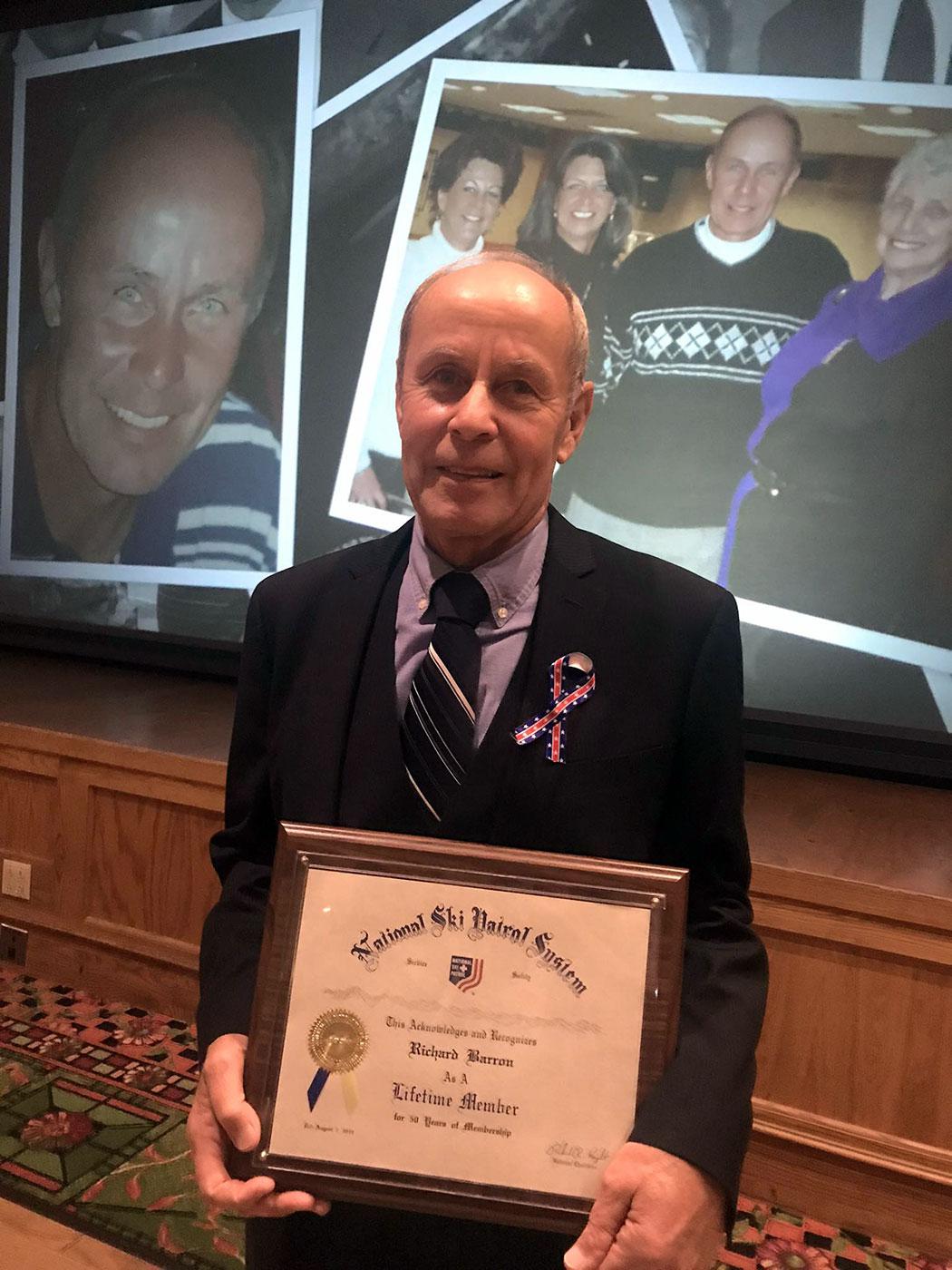
Barron’s influence went far beyond a recorded phone message. After serving in Vietnam as a communications specialist, he returned to Seven Springs and began working as a ski patroller. Over the following decades, he became one of those employees who seemed to be part of the mountain itself. Seven Springs remembered him as someone who did whatever it took to get the resort operating.
His snow reports became part of the morning ritual for generations of Seven Springs skiers. Before webcams put live pictures of the slopes on a phone or computer screen, skiers had to rely on the information coming from the mountain. Barron’s familiar voice delivered that information for years, becoming almost as recognizable to regular visitors as the trails themselves.
He was inducted into the Pennsylvania SnowSports Museum Hall of Fame in 2014 and received Lifetime Member recognition from the National Ski Patrol when he retired.
Buddy Hauk: Every Guest, Every Day
If Dick Barron was someone skiers knew by voice, Buddy Hauk was impossible to miss in person.
Buddy was the friendly man in the black cowboy hat greeting visitors as they climbed the plaza steps at Whitetail Resort.
He began working at Whitetail in 1996 at the complimentary ski and snowboard check. He later became a Level 1 ski and snowboard instructor, and in 2002 took charge of Whitetail’s newly created Mountain Host program. Under his leadership, the program won the National Ski Areas Association’s Best Overall Guest Service Program award in 2007. DCSki remembered Buddy following his death in 2012.
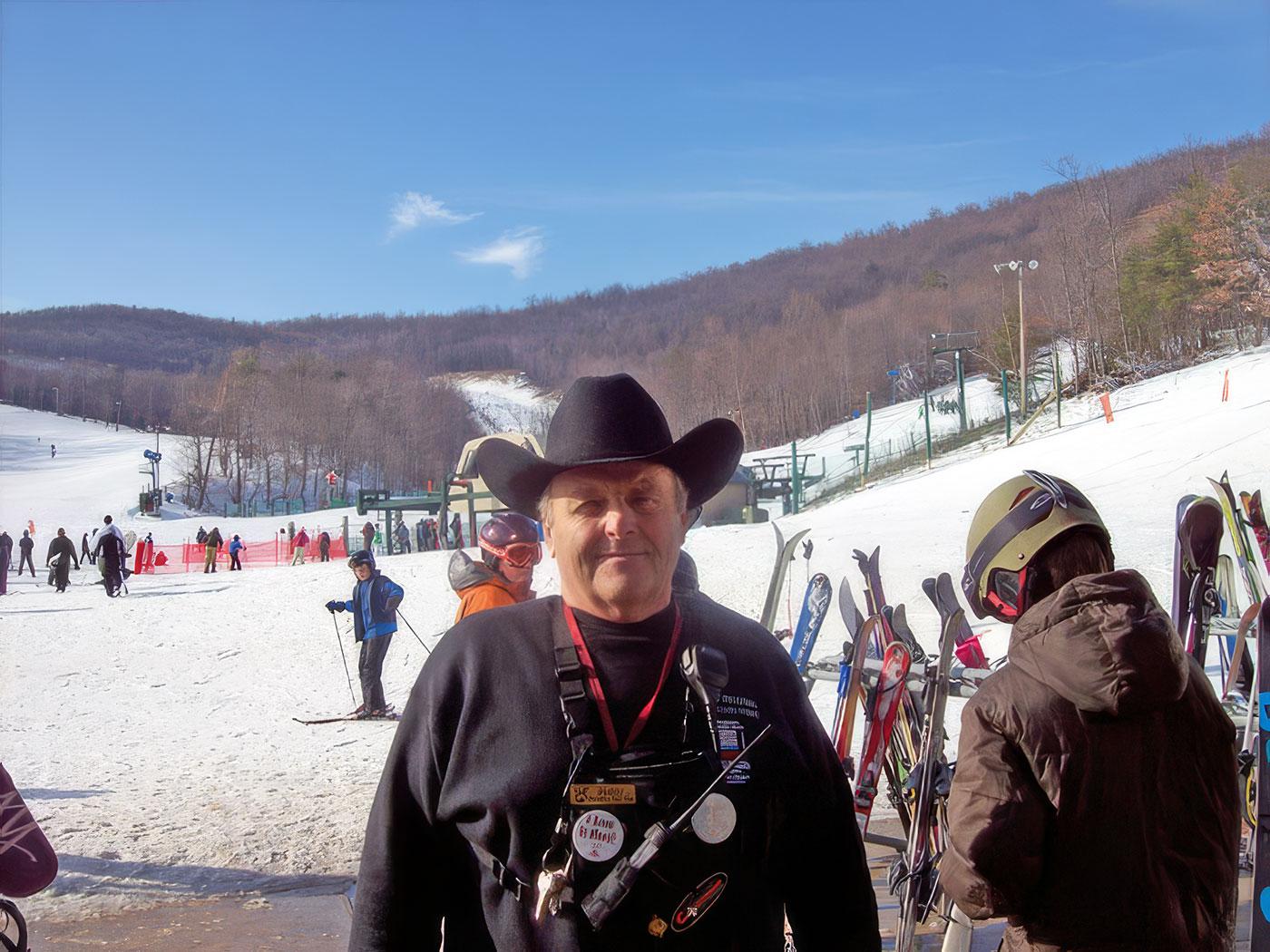
Buddy’s philosophy was simple: “Every Guest — Every Day.”
Buddy appears repeatedly in old DCSki stories, usually doing what people remembered him doing best — welcoming people.
DCSki Columnist Connie Lawn described him as easy to spot because of his cowboy hat, smile, and enthusiasm. Even during stories about adaptive skiing, Special Olympics programs, or ordinary ski days at Whitetail, Buddy had a way of appearing in the background as part of the mountain’s personality.
He also did far more than greet guests. Whitetail remembered him as one of the voices of the snow phone and as someone willing to help with almost anything around the resort, from hanging pictures to painting to building lockers. Outside the ski area, he was a full-time minister.
Buddy died in January, 2012 at age 63. Whitetail responded by holding “Buddy Hauk Weekend,” encouraging employees and guests to wear black cowboy hats in his honor.
Years later, the hat itself remained displayed at the resort.
That seems appropriate. Some people leave behind buildings or trails. Buddy left behind a model for how a ski area could make people feel when they arrived.
Herman Dupré: Building Seven Springs — and Better Snow
Herman Dupré belongs in a somewhat different category.
He was not simply a beloved employee. He helped shape Seven Springs into one of the Mid-Atlantic’s major destination resorts and became one of the ski industry’s important snowmaking innovators.
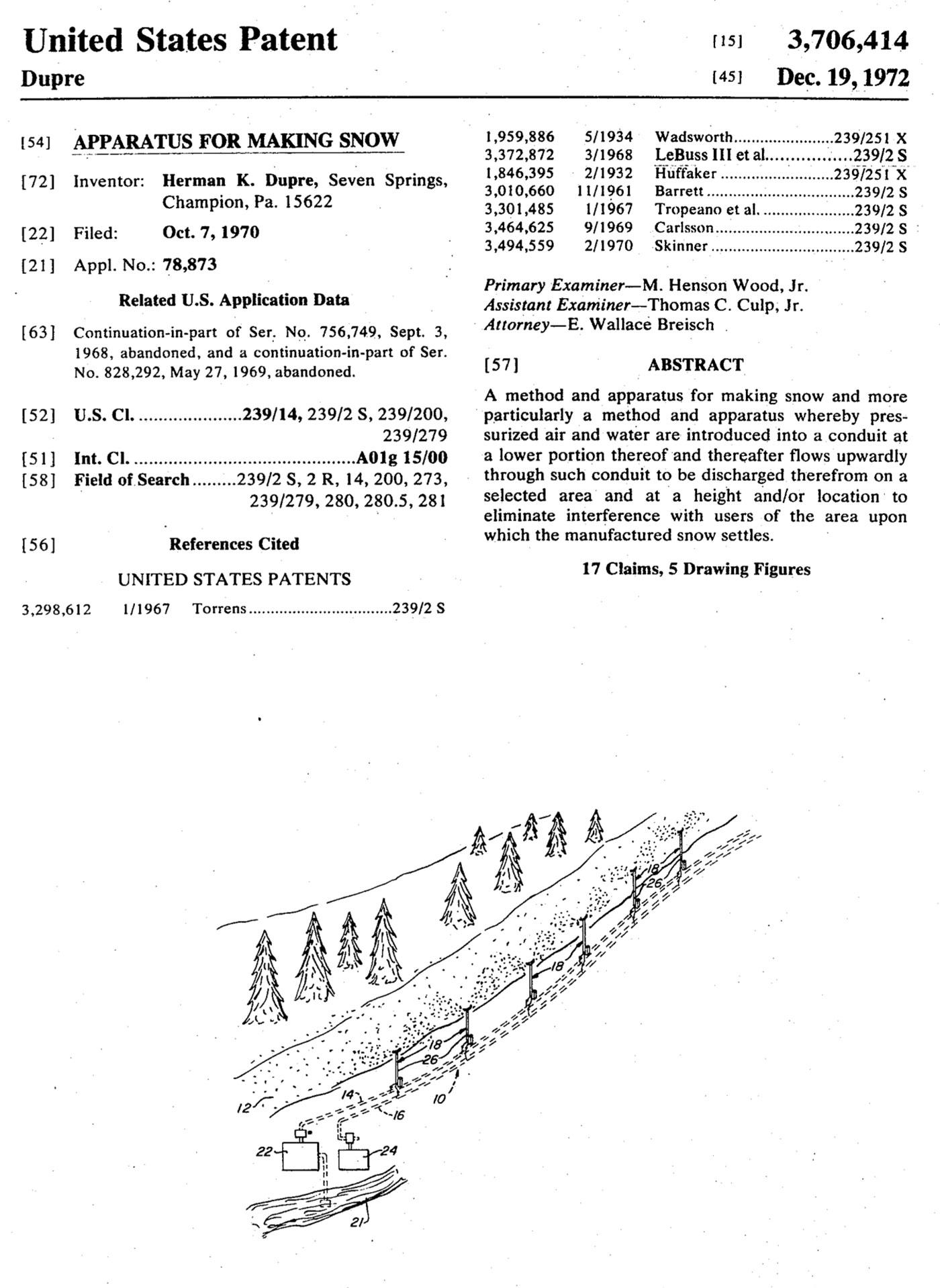
The Dupré family founded Seven Springs in the 1930s, and Herman eventually spent roughly four decades as its chief executive. Under his leadership, the resort expanded dramatically. He also became deeply involved in snowmaking technology, holding dozens of patents and helping develop ideas that eventually contributed to the creation of HKD Snowmakers.
When Seven Springs changed ownership in 2006, DCSki quoted Herman expressing confidence that the resort’s new owners would continue the mountain’s legacy.
But people who knew Herman often remembered something less corporate.
Despite his position, he was known for walking around the resort in work clothes, talking with employees and guests and asking what could be improved. He remained closely connected to the daily workings of the mountain.
That combination — owner, engineer, snowmaker, problem solver — reflects an era when ski-area leadership could be unusually hands-on.
Herman died in 2020 at age 87.
Sepp Kober: Bringing Skiing South
Virginia skiing owes an enormous debt to Sepp Kober.
Born in Austria, Kober came to the United States in the 1950s and eventually moved south to The Homestead in Hot Springs, Virginia.
In 1959, he became the resort’s first Director of Skiing and Winter Sports and helped build a Southern ski operation almost from scratch. He installed snowmaking, prepared trails, stocked rental equipment, established instruction programs, and demonstrated that skiing could succeed far south of traditional New England ski country.
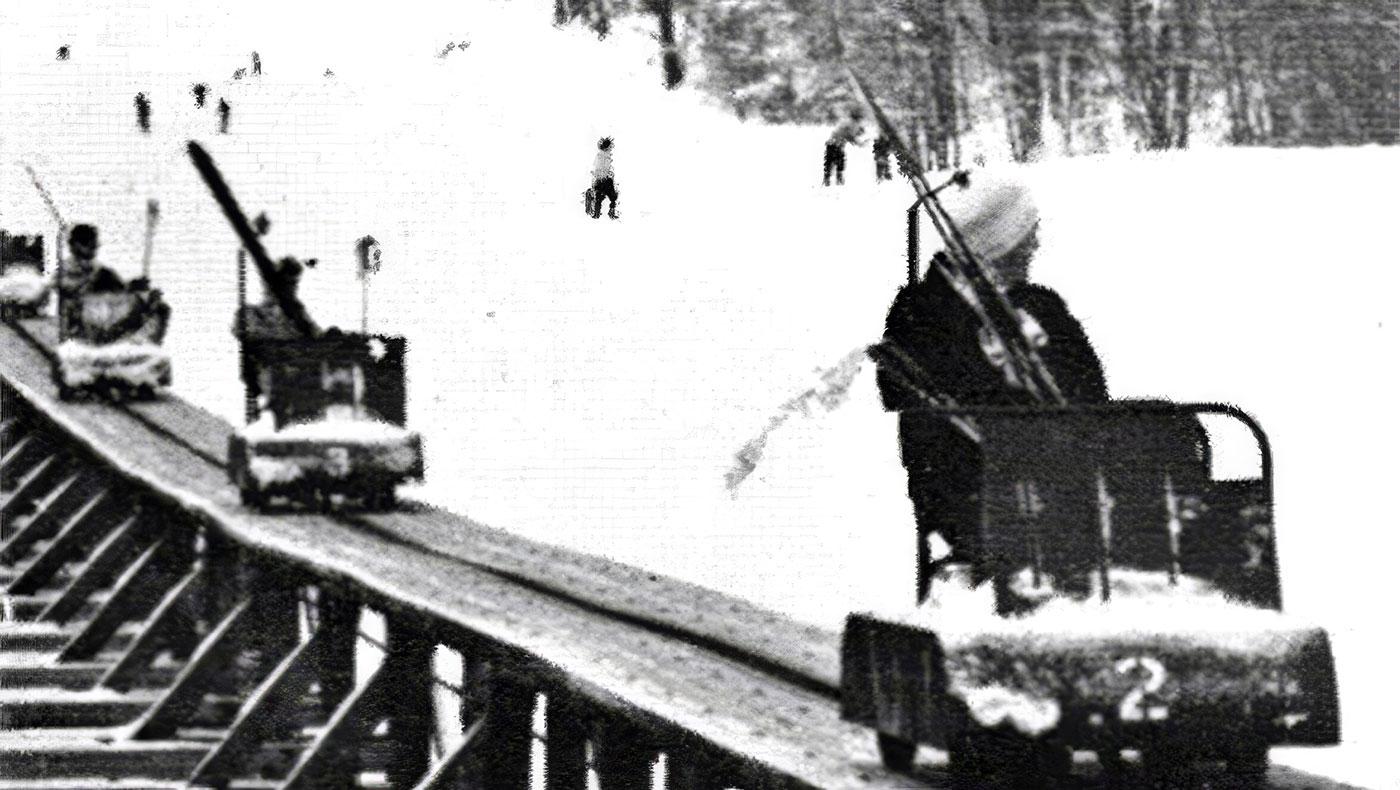
Kober spent nearly four decades at The Homestead, but his influence spread much farther.
He consulted with ski areas around the Southeast, helped with planning at Bryce Resort, assisted with ski schools and equipment operations, and became a major advocate for skiing throughout the region. He founded or helped establish industry organizations, including the Mid-Atlantic Ski Areas Association, and was a charter participant in the formation of the National Ski Areas Association.
DCSki Forum discussions about the history of Southern skiing regularly return to Kober because so many strands seem to lead back to him.
The Homestead’s Sepp Kober Ski School still carries his name.
Kober died in 2010 at age 88.
Ralph “Doc” DesRoches: From Laurel Mountain to the National Stage
At Laurel Mountain, Ralph “Doc” DesRoches helped establish a ski culture that extended far beyond western Pennsylvania.
DesRoches was a veteran of the Army’s 10th Mountain Division and arrived at Laurel after World War II. He became head of the ski school, ran the ski shop, and eventually assumed leadership of the ski operation.
During his tenure, Laurel Mountain became known as one of Pennsylvania’s premier ski areas.
The resort adopted large-scale snowmaking early, became one of the first Pennsylvania areas to use grooming machines, and experimented with glade-style skiing by thinning trees between established trails. Laurel’s history credits DesRoches with helping drive those innovations.
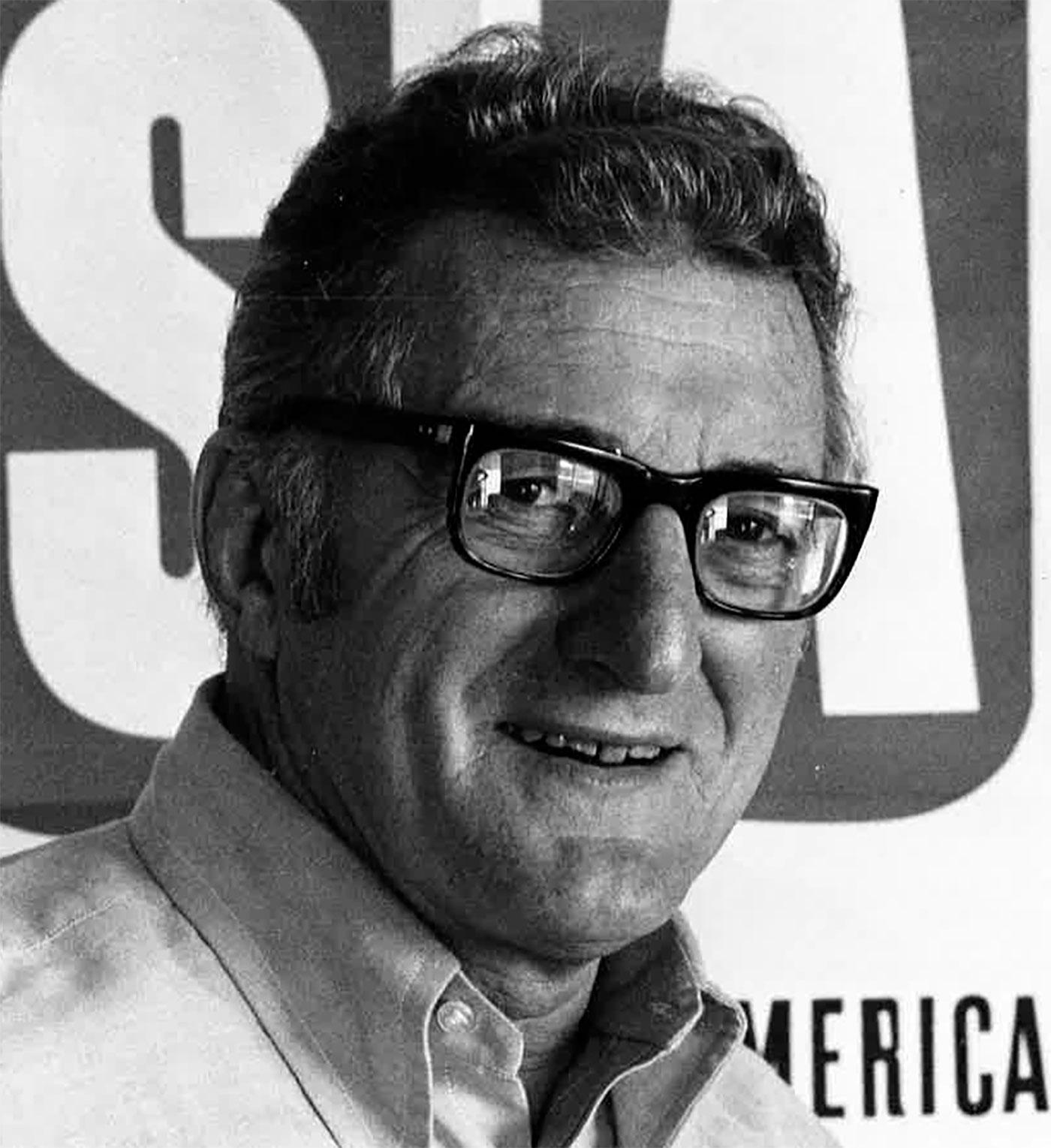
His career eventually expanded to the national ski industry. He led Ski Industries of America for many years and became deeply involved in fundraising for the U.S. Ski Team.
DCSki readers still encounter his name through discussions of “Doc’s Forest Glade” and Laurel’s history.
He represents an earlier generation when Mid-Atlantic skiing was still being invented and the people building local mountains often went on to influence the sport nationally.
Wilbur McBay: Equipping Washington’s Skiers
Not every important Mid-Atlantic ski character worked at a resort.
For generations of Washington-area skiers, the ski season began at Ski Chalet.
Wilbur McBay founded Ski Chalet in Arlington, Virginia in 1969. What began as a single shop eventually grew into a five-store chain across Virginia and Maryland. The business sponsored ski demos, clinics, local events and the annual “Dilly in Chantilly” sale, becoming deeply woven into Washington’s ski culture.
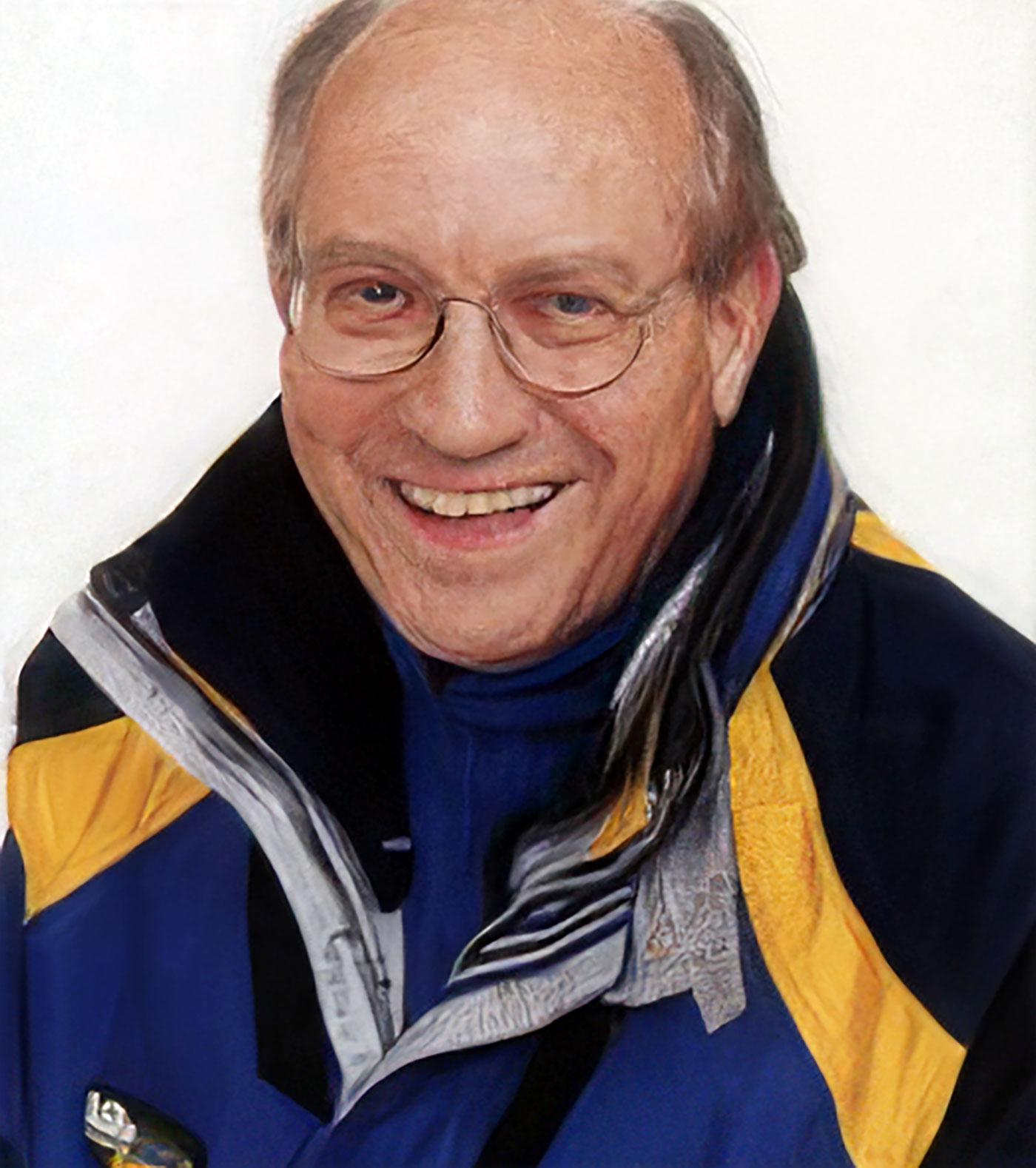
When Wilbur died in 2004 at age 69, DCSki described him as an important ally and visionary within the Mid-Atlantic ski community.
He once explained his motivation simply: he opened Ski Chalet because he loved skiing.
That enthusiasm shaped the stores.
Before online shopping, before direct-to-consumer equipment sales, and before skiers could ask AI to compare every boot and binding, local ski shops played an enormous role in bringing people into the sport. Staff fitted boots, tuned skis, offered advice, organized demo days and helped new skiers figure out what they needed.
Wilbur’s Ski Chalet became part of that pipeline for tens of thousands of Washington-area skiers.
After his death, Ski Chalet was eventually sold to Sun & Ski Sports.
These are only a few of the personalities who have shaped Mid-Atlantic skiing over the years. DCSki welcomes readers to share their own memories of the people who helped make their favorite mountains and ski communities special — please share your stories in the comment section below.



Reader Comments