
They have identified old lift lines, corrected dates, supplied photographs, tracked down former owners, and occasionally settled arguments about where a ski slope was actually located. Along the way, they have also left nearly 1,600 comments describing what it was like to ski, work, and grow up at these places.
The comments span more than 100 former ski areas across Pennsylvania, Maryland, Virginia, West Virginia, New Jersey, and North Carolina. Read together, they offer a different kind of history — one built around the things people remember decades later.
They remember the lodge. The fireplace. Hot chocolate. Riding to the mountain with their parents. Working their first job. Hanging out with friends. Freezing while operating a lift. Joining the junior ski patrol. Waiting for enough natural snow to fall. And learning that knitted mittens were a poor match for a moving rope tow.
Where Skiing Began
One phrase appears repeatedly in the Lost Areas comments: “I learned to ski there.” More than 130 comments contain those words or a close variation.
Some of those first lessons occurred on hills that would seem remarkably modest today.
Apple Hill, near Bethlehem, Pennsylvania, is a good example. One reader recalled learning there while attending high school in nearby Phillipsburg, New Jersey, during the 1960s. He remembered the circular fireplace, donuts, and hot cider.
His skiing life eventually took him much farther. In 1981, he left a job with CBS News in Cairo and moved to the Swiss Alps, later writing about skiing for major British newspapers. His skiing included Alaska, the Haute Route, Alagna, and La Grave.
Yet decades later, he wrote that some of his fondest skiing memories remained those days at Apple Hill.
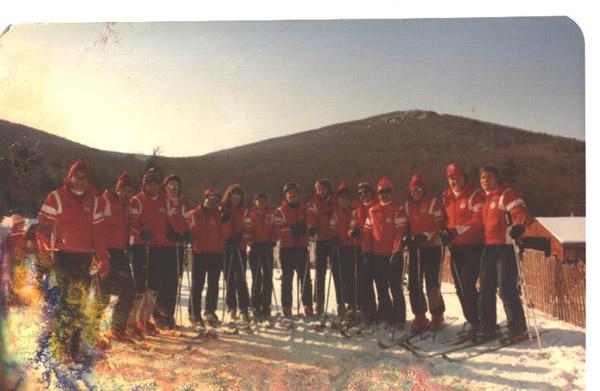
Other Apple Hill veterans remembered hitching rides to the mountain before they could drive, joining the junior ski patrol, helping in the cafeteria, and eventually becoming employees themselves. One family moved into the farmhouse at the bottom of the slopes in 1969; the children learned to ski there, spent winters at the area, and later worked there.
Growing Up at the Ski Hill
Small ski areas were often as much neighborhood gathering places as recreational businesses.
At Hahn Mountain in Pennsylvania, one DCSki reader remembered starting work at around 14 or 15, parking cars on weekends. Over roughly nine years, he worked in the kitchen, bused tables, maintained coal stoves, operated lifts, mowed slopes, cleared brush, and helped widen trails with heavy equipment.
One bitterly cold day, nobody showed up to operate the T-bar, so the job fell to him. He still remembered the cold decades later.
At Buckaloons Ski Area near Youngsville, Pennsylvania, another reader’s first job was even simpler: picking rocks off the slopes for 50 cents a bucket when he was about 13.
He also remembered live bands in the lodge and ski festivals.
For some employees, a teenage ski-area job became the start of something much bigger. A former employee of Cascade Mountain Resort in Virginia recalled primitive snowguns, rented air compressors, and a gasoline-powered chairlift. He later spent more than 25 years working in the ski and ride industry.
Waiting for Winter
At many lost areas, skiing depended much more directly on what fell from the sky.
A reader who grew up skiing at Montrose Ski Bowl, also known as Spruce Run, remembered that after a snowfall or long cold spell, somebody in his group of friends would call to find out whether the area would open.
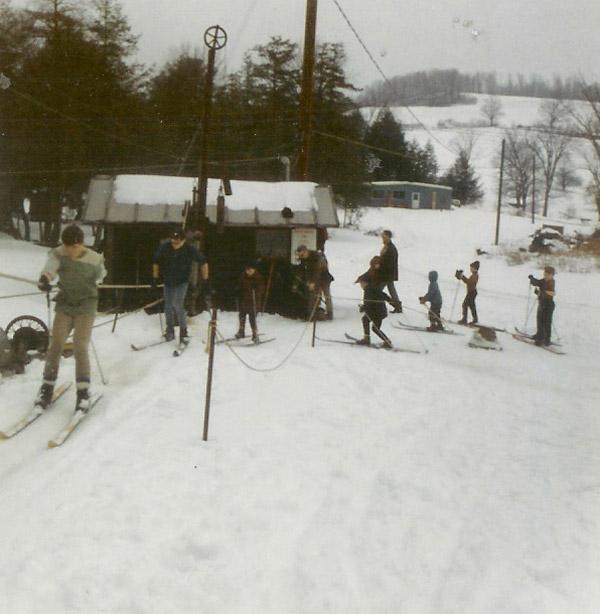
He also learned an important rope-tow lesson. A knitted mitten became caught in the moving rope, and after several unsuccessful attempts to retrieve it, he continued skiing with one mitten. By the following week, he had leather covers for his mittens.
Decades later, his wooden skis, bamboo poles, and lace-up boots still hung alongside his modern equipment.
Years after Spruce Run closed, he met an elderly couple on a chairlift at Greek Peak in New York. When he mentioned Montrose, they began reminiscing about skiing there in the 1940s. The conversation continued after they reached the top.
Small Places, Big Communities
White Mountain Ski Area in western Pennsylvania operated on a scale that would be difficult to imagine today.
Fred Hanks, whose stepfather Ben Haseltine operated the area, recalled that a crowd of 150 skiers constituted a big day. The operation demanded year-round work and plenty of improvisation.
“We never made a penny on it,” he wrote, but his stepfather refused to let the dream die.
The ski area eventually disappeared back into the landscape. Hanks later described the main slope, Poma lift line, and trails as nearly returned to forest. Chalet lots associated with the development became permanent and vacation homes.
The comments on other profiles often evolve into something resembling reunions. Readers recognize names of old instructors and neighbors. Former employees find one another. Someone discovers that a child pictured in an old photograph is themselves or a sibling.
At Chadds Peak in southeastern Pennsylvania, one former skier described reading through the comments and realizing how many lives had been intertwined by that little ski slope.
After the Lifts Stop
Many comments were posted by readers returning to former ski areas years or decades after they closed.
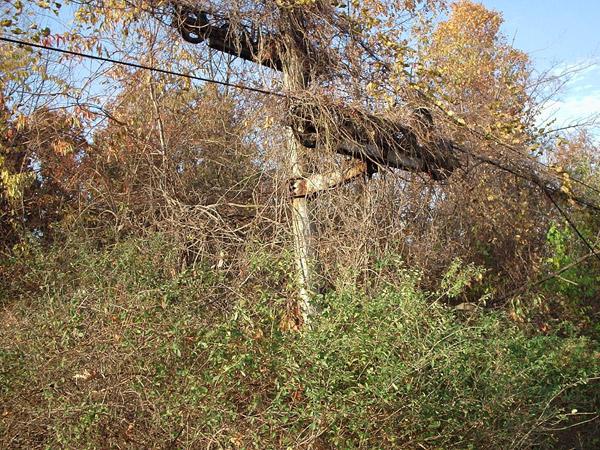
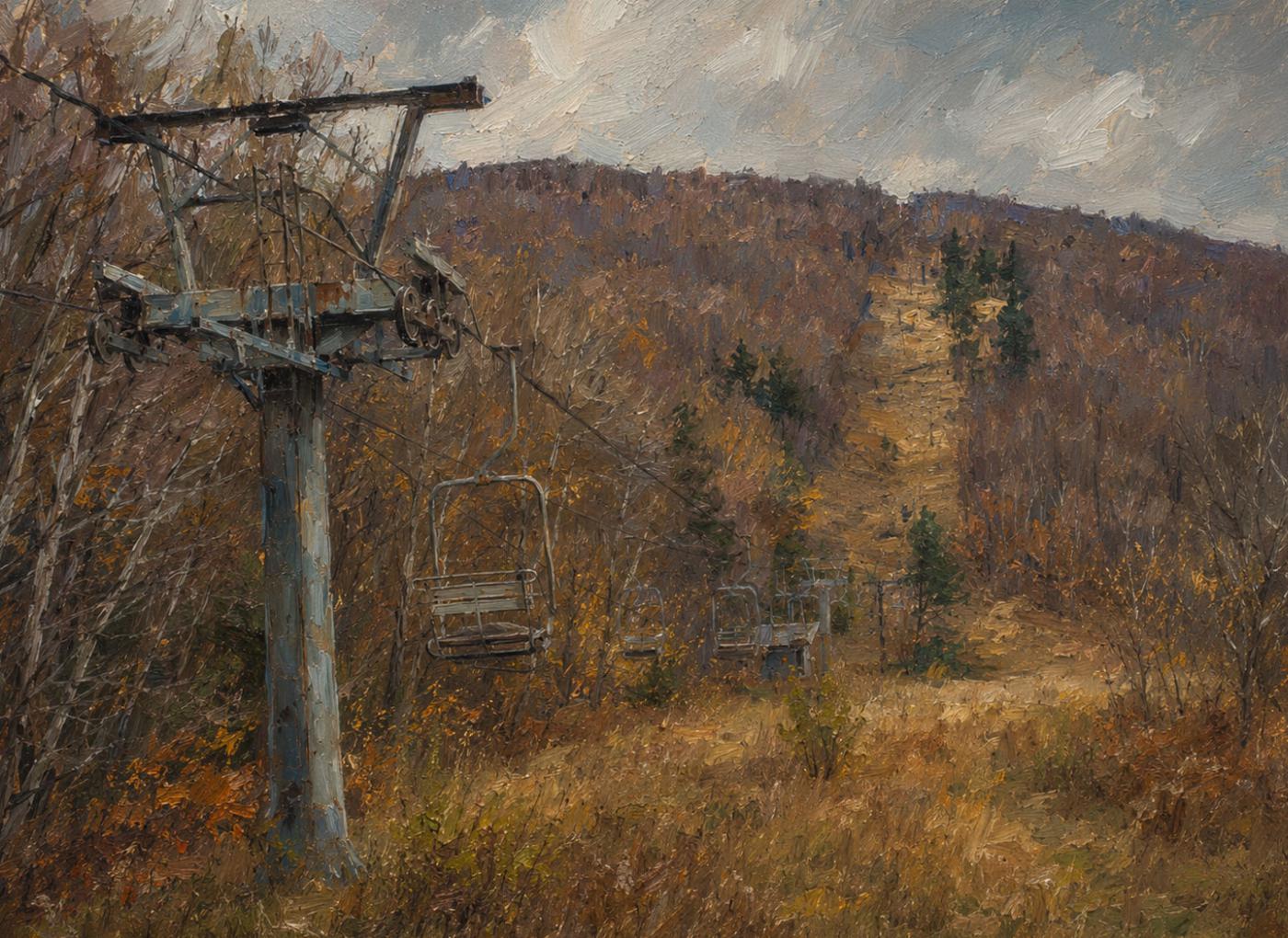
They found concrete foundations, abandoned cables, old lights, lift machinery, snowmaking equipment, deteriorating lodges, and trails slowly disappearing beneath vegetation. Some former ski properties became housing developments. Others became hunting land, parks, hiking trails, or simply woods.
At Bear Rocks in Pennsylvania, one reader remembered living at the top of the former slopes. Even after lift-served skiing ended, neighborhood children continued using the old hill whenever snow arrived. He could walk out his door and reach the slope in about two minutes.
Sometimes the comments also complicate DCSki’s own historical record.
A reader familiar with Devil’s Hole in Pennsylvania questioned whether it had ever been a recreational ski area at all. He argued that the surviving structures and equipment were more likely associated with a former speakeasy at the site.
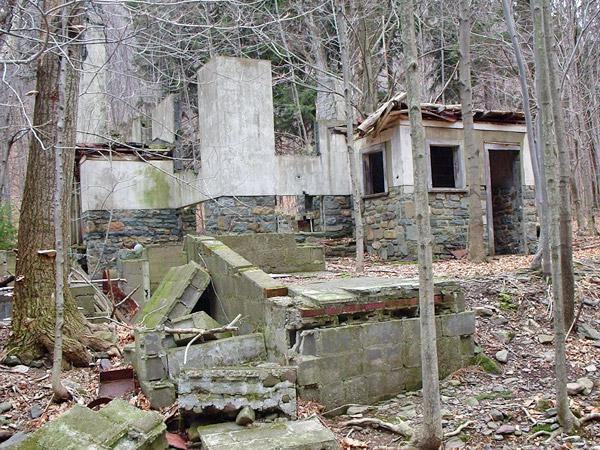
Other profiles have been gradually clarified as former employees, owners, relatives, and local residents contributed pieces of information that weren’t available when DCSki first created the entries.
An Accidental Oral History
When DCSki began documenting Lost Ski Areas, the goal was to preserve information that was already beginning to disappear.
The reader comments became a significant part of that record.
Newspaper archives and old brochures can tell us when a ski area opened, what lifts it had, or how much a ticket cost. The comments preserve different details: the food in the lodge, the people behind the counter, the first day working a lift, the school trips, the friends who met there every weekend, and the experience of learning to ski on a hill close to home.
Many of those ski areas have now been closed longer than they were ever open. Their trails may be wooded and their lifts gone.
But nearly 1,600 comments later, plenty of people still remember them.



Reader Comments