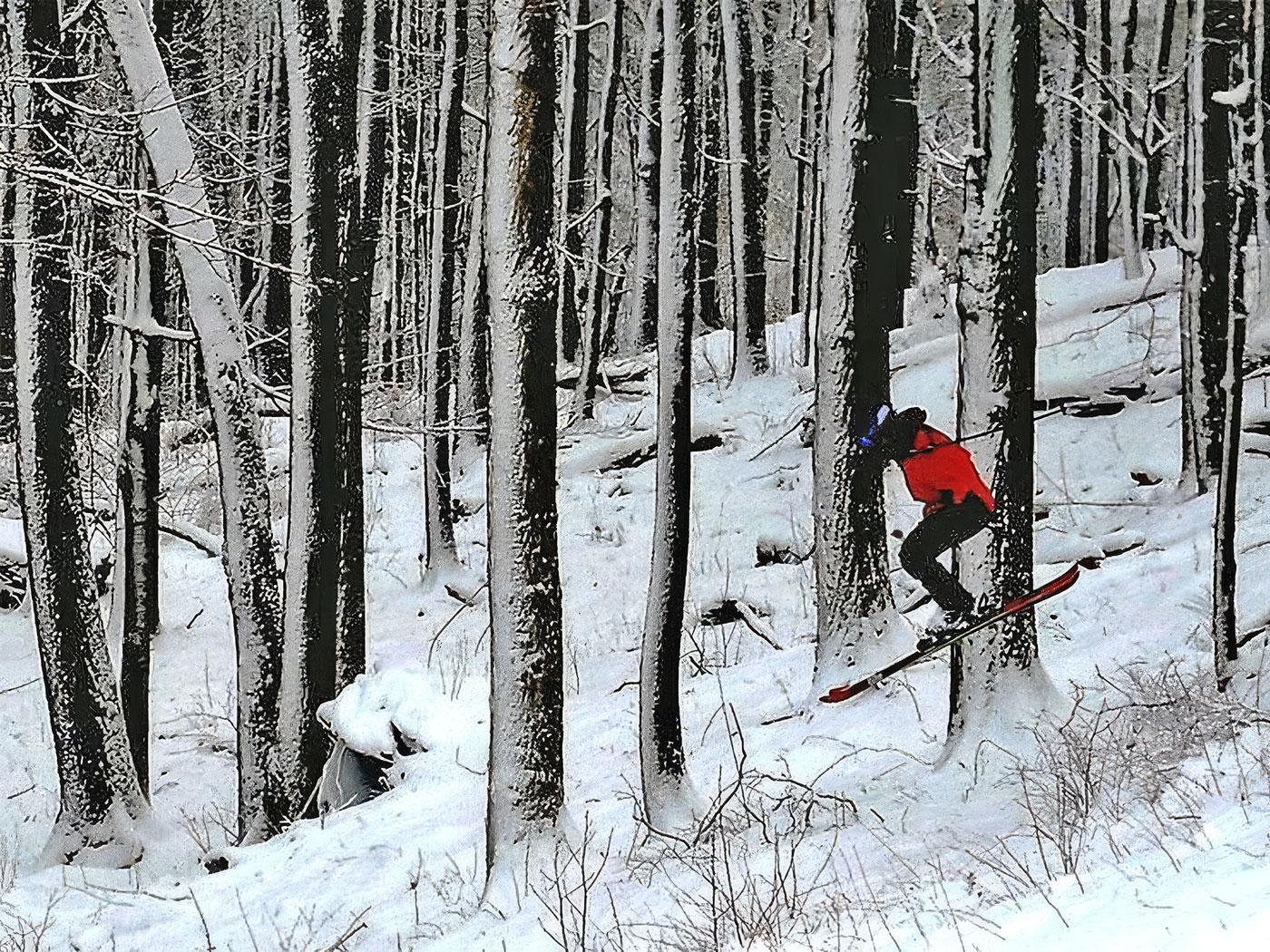
DCSki examines four Mid-Atlantic ski areas that have inspired years of reader speculation about untapped potential: Blue Knob, Canaan Valley, Laurel Mountain, and Winterplace. Drawing on their terrain, snowfall, infrastructure, ownership, and operating constraints, the feature considers what improvements might help each mountain deliver more of what skiers already value.
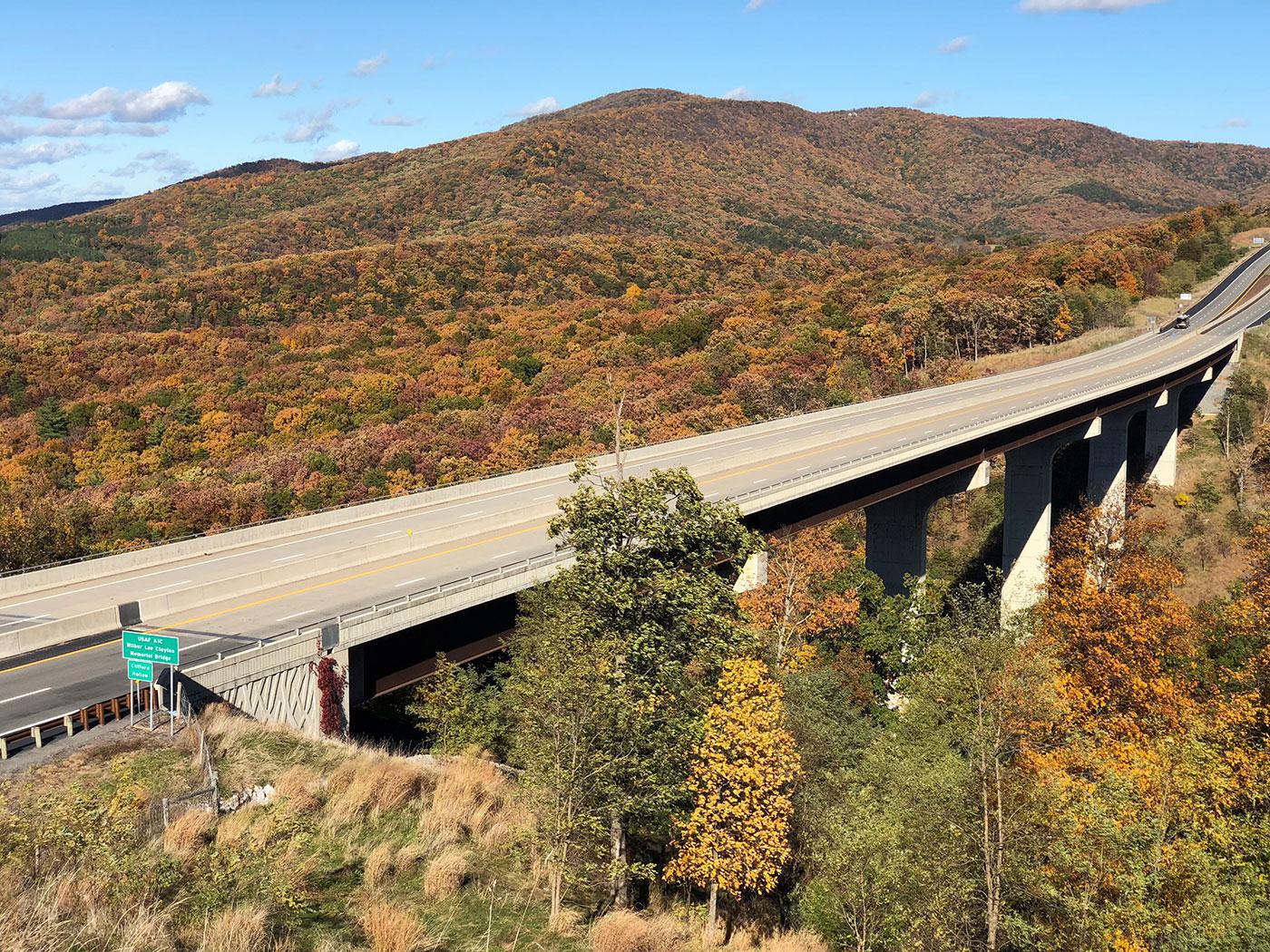
West Virginia’s Corridor H highway has steadily shortened and simplified the trip from Washington and Northern Virginia to Tucker County’s ski areas, including Timberline Mountain, Canaan Valley Resort, and White Grass. DCSki looks at how each completed section has changed the region’s place on the Mid-Atlantic ski map, while unfinished segments promise further improvements through 2034.
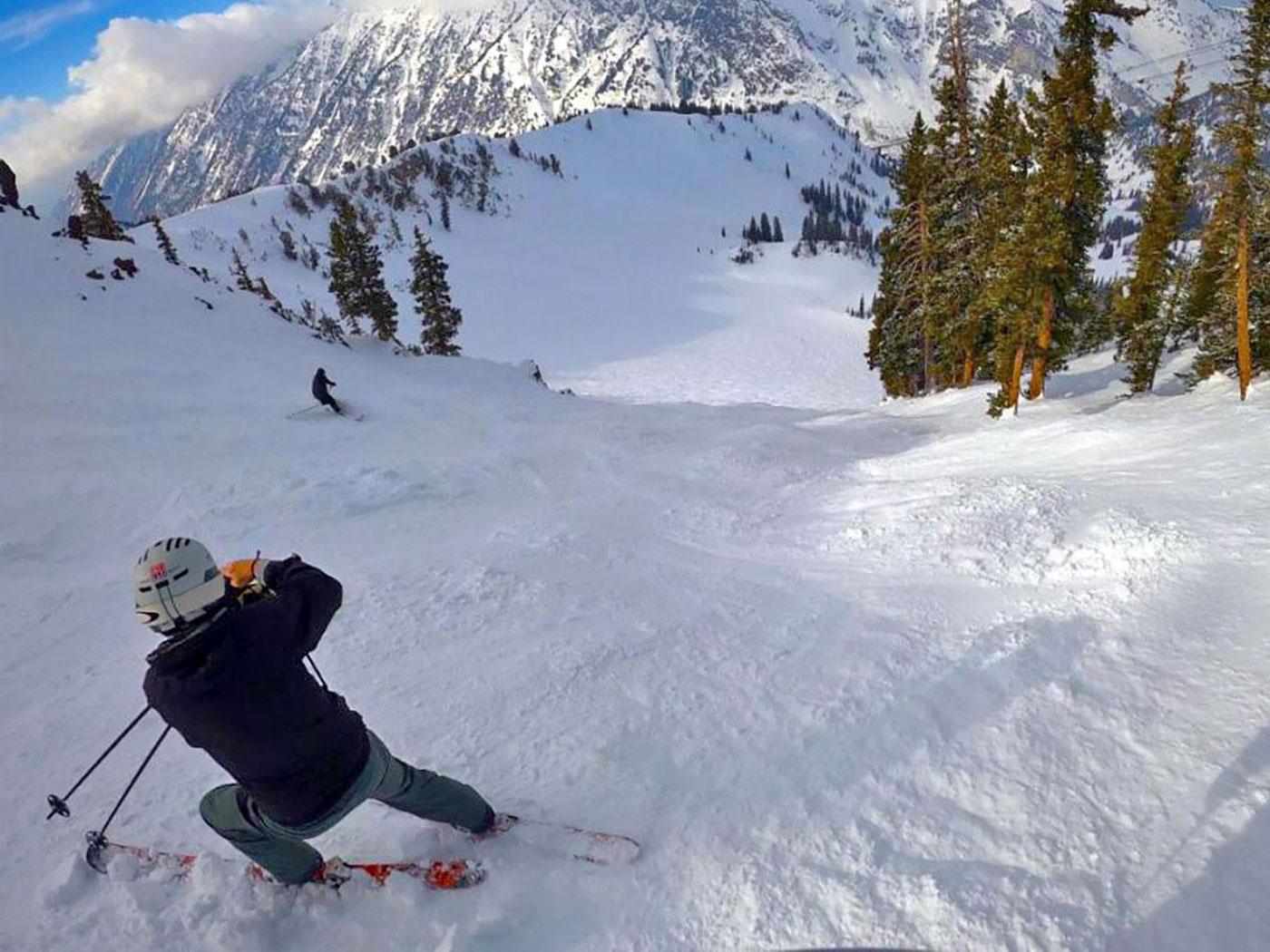
From his first turns on Blue Knob’s ice in 1967 to retirement winters in Utah, Jim Kenney has built a skiing life around family, friends, and a willingness to adapt. Drawing on more than 25 years of his DCSki stories, this retrospective follows his travels, revisits memorable days, and explores how he has kept enjoying the slopes into his seventies.
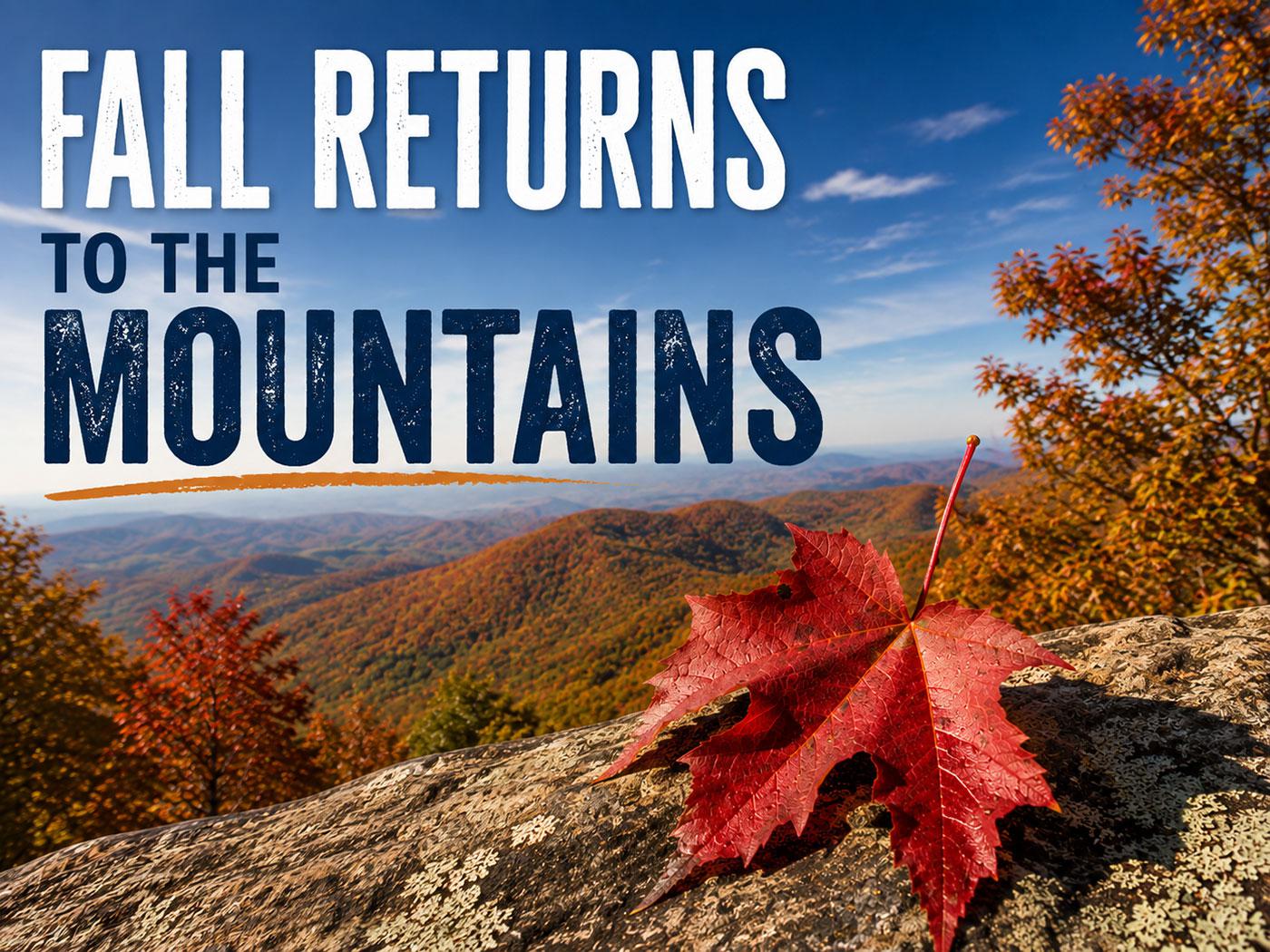
Fall brings a different kind of activity to Mid-Atlantic ski resorts, with Oktoberfests, foliage chairlift rides, mountain biking, live music, arts festivals, and even a celebration devoted to Bigfoot. DCSki rounds up some of the events worth checking out this fall as the mountains begin their gradual transition toward winter.
Skiing has become expensive, but bargains have not disappeared. DCSki looks across the Mid-Atlantic for the season passes, night tickets, family programs, lodging packages, and other offers that can still put skiers on the snow without draining the winter budget.
Buying a ski pass used to mean choosing a home mountain. And that was pretty much it. Today, Mid-Atlantic skiers must sort through national products, regional passes, reciprocal agreements, limited-day packages, blackout dates, and prices that change several times before winter. It can be overwhelming! DCSki tries to break through the confusion by examining the leading options for 2026-2027 and the skiers each one serves best.
Before webcams, navigation apps, digital lift passes, and group texts, Mid-Atlantic skiers relied on snow phones, paper trail maps, printed directions, and carefully chosen meeting places. This retrospective recalls the uncertainty and occasional adventure of skiing before the smartphone while considering how modern technology has made trips safer, easier, and better documented.
Indy Pass has added 16 new partner resorts for the 2026/27 season and lowered the price of its no-blackout Indy+ Pass to $399. Renewals for existing passholders opened February 25, with passes historically selling out quickly before moving to waitlist and public sales.
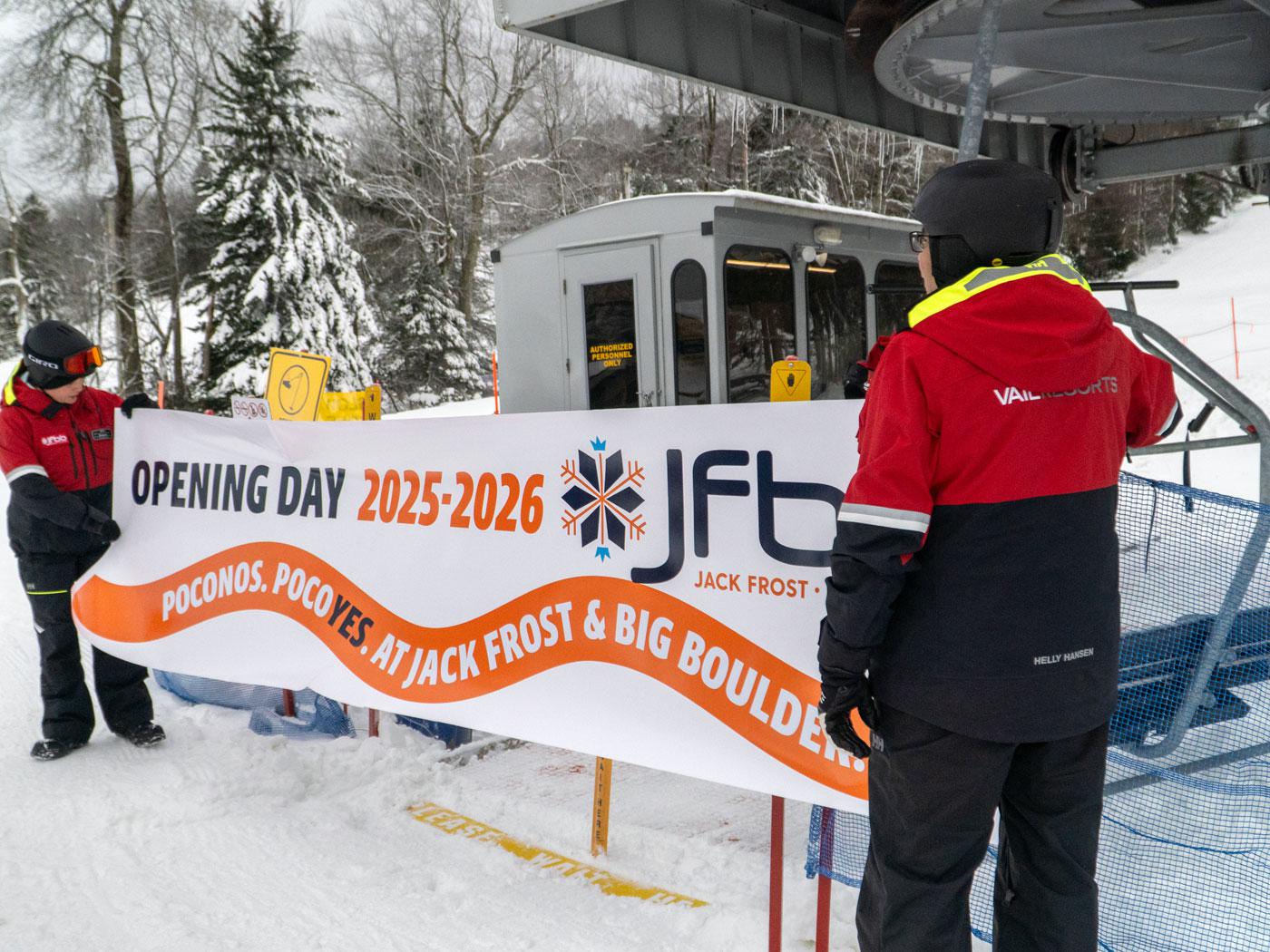
After an extended stretch of cold temperatures earlier this month, ski resorts across the Mid-Atlantic were able to make snow aggressively, building strong early-season base depths and opening expanding terrain. DCSki provides a comprehensive snapshot of current conditions across the region as resorts head into the end of December. Photo: Opening Day at Big Boulder, shot by Ella Muir.
Resorts across the Mid-Atlantic have spent the offseason upgrading snowmaking systems, expanding terrain, improving lifts, and refreshing guest facilities in preparation for the 2025–26 winter season. These enhancements aim to deliver more reliable early-season openings, improved snow quality, and a better overall experience for skiers, riders, and families. DCSki provides a summary of key enhancements across the region in this feature story.
By M. Scott Smith
No saved stories yet.Use the Save button on any story to build a reading list in this browser.