
“I might get one someday,” he wrote on DCSki’s Forum. His admission set off a 33-post discussion about accidents, comfort, cost, appearance, and the merits of wearing a helmet at all. Some members shared stories of close calls; others understood his reluctance.
Twenty years later, the conversation reads like a dispatch from another era. Helmets are nearly universal in Mid-Atlantic lift lines. According to data from the National Ski Areas Association (NSAA), 94 percent of U.S. skier visits in the 2025-2026 season were made by people who reported wearing helmets, a figure reported by SnowBrains in September 2026. DCSki’s archives offer a revealing look at how skiing culture changed along the way.
When Helmets Were Up for Debate
DCSki was covering the subject well before Jim’s shopping trip. On January 28, 1999, an article titled “Area Skiers, Boarders Consider Use of Helmets” examined growing interest in helmets following skiing fatalities in New England and a Consumer Product Safety Commission recommendation encouraging their use. Recreational helmet use was still uncommon, especially among adults who had skied for decades without one.
The article described a skier who tried a helmet after suffering a concussion and shoulder injury the previous season and found it comfortable across a range of temperatures. It also cited an informal DeepCreekCam survey about hypothetical helmet requirements: 36 percent of respondents wouldn’t mind, 50 percent would be bothered but would continue skiing, and 14 percent said they might give up the sport if forced to wear a helmet. No local ski area required helmets at the time.
By January 2003, the topic was a regular source of debate. A Forum thread opened with an emphatic “PLEASE WEAR A HELMET,” prompting members to discuss everything from collisions to ventilation. DCSki Columnist John Sherwood observed that his wife’s older helmet was too warm for Mid-Atlantic conditions, while newer models were lighter and better ventilated. Other skiers appreciated a simpler benefit: a helmet made a good winter hat.
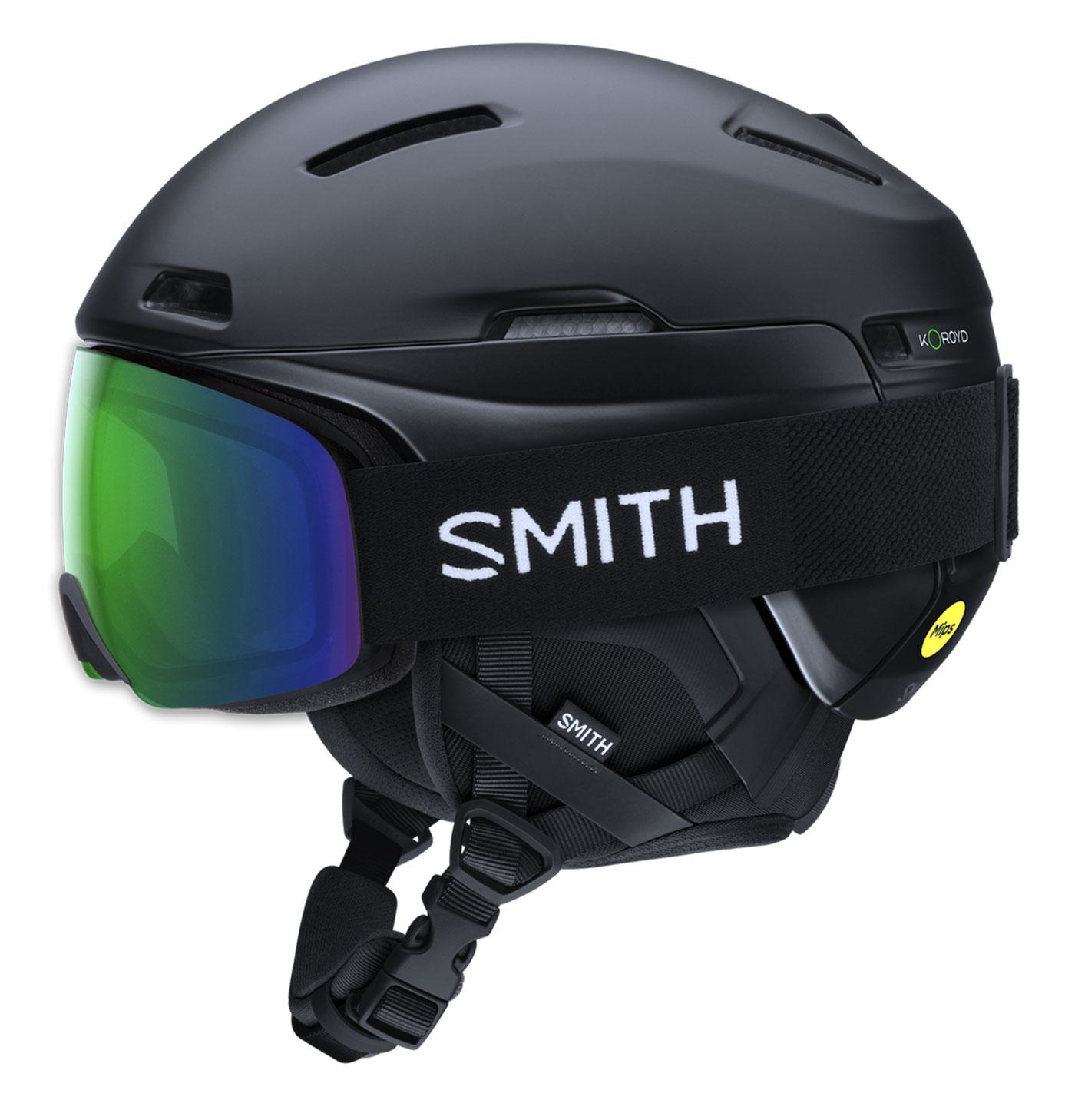
According to NSAA’s helmet-use statistics, just 25 percent of American skiers and snowboarders wore helmets during the 2002-2003 season. In 2004, a DCSki discussion about a fifth grader who suffered a skull fracture while skiing without a helmet at Whitetail focused attention on children, rental availability, and whether helmets should be a standard part of rental packages.
Jim’s 2005 post captured the hesitation of skiers who recognized the benefits of helmets but had yet to adopt them. Members debated whether ordinary recreational skiing warranted one, whether a helmet might encourage riskier behavior, and whether parents should wear them if they required their children to do so. Jim eventually joined the helmet-wearing crowd.
By 2007, one member referred to the subject as the “annual helmet debate.” During an unrelated 2009 argument about listening to music while skiing, another member suggested an equally contentious alternative: “Anyone want to debate the wisdom of helmets?”
From Minority to Nearly Everyone
Helmet adoption accelerated as equipment improved and habits changed. Manufacturers offered lighter designs, adjustable ventilation, and better integration with goggles. Rental shops made helmets easier to obtain, while parents, ski schools, and racing programs helped introduce children to skiing with helmets as standard equipment. Adults who tried them often found little reason to return to a hat.
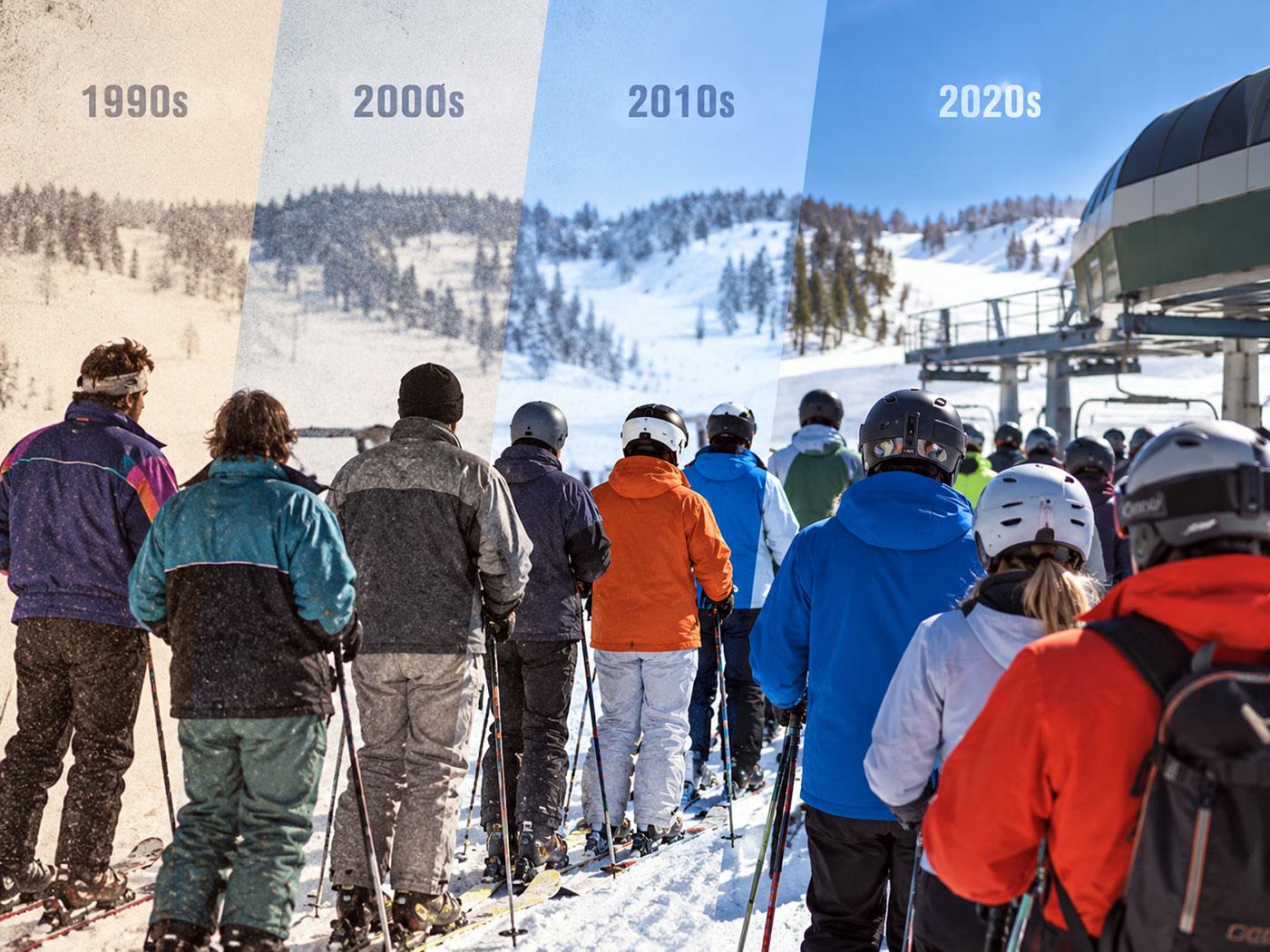
NSAA figures cited in SnowBrains’ review of the 2025-2026 Kottke End of Season Report show helmet usage climbing from 25 percent in 2002-2003 to 48 percent in 2008-2009, then jumping to 56 percent in 2009-2010. The eight-point increase followed the widely publicized death of actress Natasha Richardson after a skiing fall in March 2009. Her death renewed attention to helmet safety, although the figures alone cannot establish how much it influenced adoption.
Usage reached 80 percent by 2015-2016, according to the same report. Growth continued more gradually thereafter, reaching 91 percent in 2024-2025 and 94 percent in 2025-2026. The Northeast matched that latest national figure at 94 percent. The change is especially striking when set against the Forum conversations of the early 2000s, when most skiers and snowboarders still went without helmets.
Jim Kenney had noticed the reversal years earlier. In a 2014 retrospective on his first 15 years writing for DCSki, he observed: “You’re in the minority now if you don’t wear one.” A decade later, he described a 1995 ski photograph in his 25-year retrospective with a succinct caption: “Pre-internet, skinny skis, and no helmets.”
Helmets have limits, of course. They can reduce the risk of certain head injuries, but they cannot prevent every concussion or serious accident. NSAA advises skiers and snowboarders to remain in control and behave as they would without a helmet. Questions about standards, replacement schedules, and mandates still deserve discussion.
What has largely disappeared is the old question of whether wearing a helmet is unusual. In little more than two decades, helmet use went from roughly one skier or snowboarder in four to more than nine in ten. Today, the person without one is the one who stands out in the lift line.
And while the great helmet debate has largely run its course, DCSki Forum members have found plenty of other things to argue about.


Reader Comments