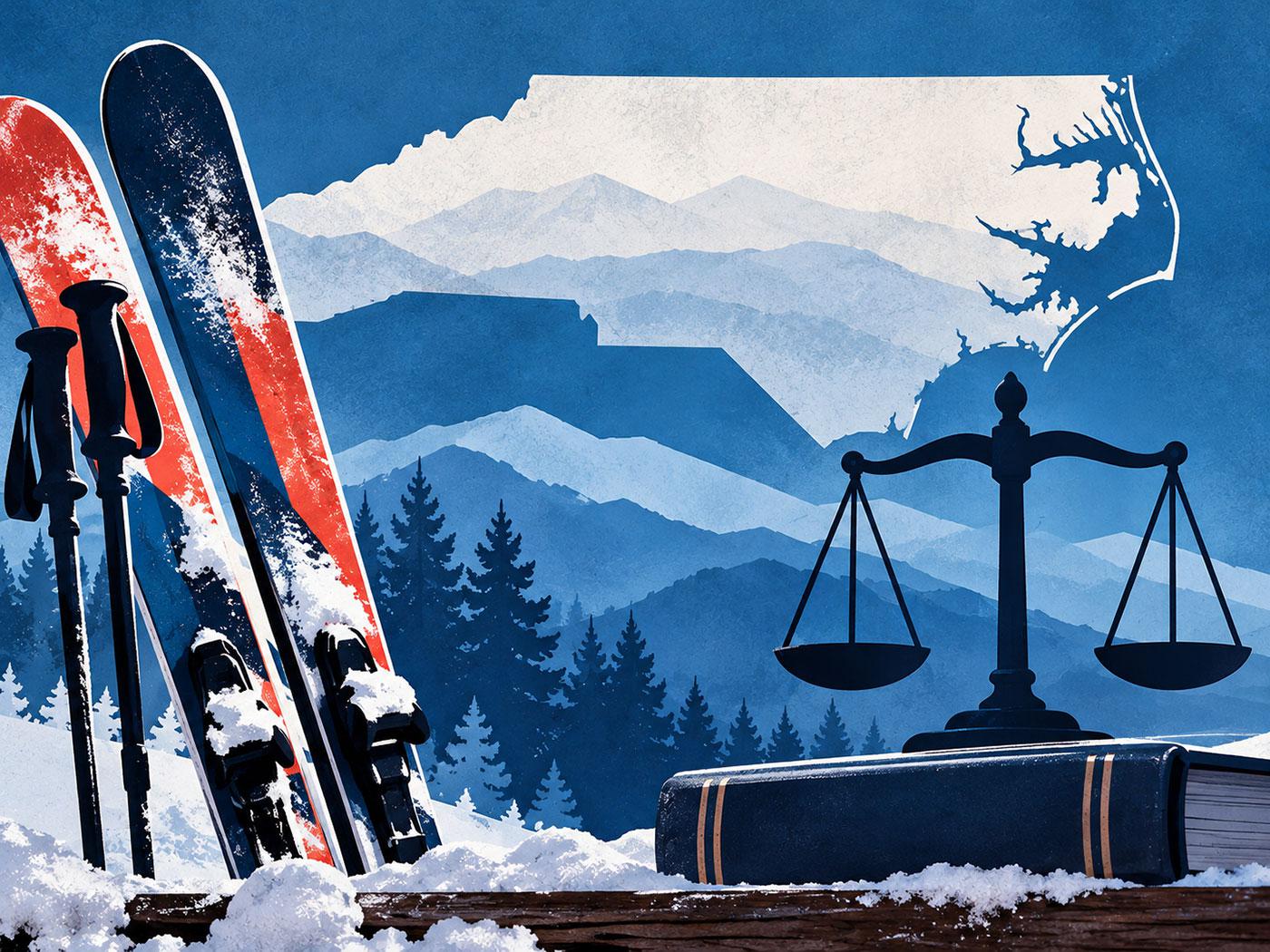
North Carolina’s revised ski safety law took effect October 1, 2026, adding criminal penalties for leaving collision scenes, pass misuse, skiing without a valid pass, and entering closed terrain. The law also creates supervision requirements for children under 14, reinforces skier responsibilities, expands legal protections for ski area operators, and exempts certain volunteers from state employment regulations.
Ski areas across North America are testing snowmaking systems and watching for the cold needed to begin serious production, with Arapahoe Basin, Keystone, Loveland, Sunday River, and Killington preparing for the opening-day race. In the Mid-Atlantic and Southeast, high-elevation North Carolina resorts including Beech Mountain, Sugar Mountain, and Cataloochee could also take advantage of an early cold snap.
Fall brings a different kind of activity to Mid-Atlantic ski resorts, with Oktoberfests, foliage chairlift rides, mountain biking, live music, arts festivals, and even a celebration devoted to Bigfoot. DCSki rounds up some of the events worth checking out this fall as the mountains begin their gradual transition toward winter.
Skiing has become expensive, but bargains have not disappeared. DCSki looks across the Mid-Atlantic for the season passes, night tickets, family programs, lodging packages, and other offers that can still put skiers on the snow without draining the winter budget.
One of the strongest El Niño events in the modern record is developing ahead of the 2026-2027 ski season, increasing the odds of an active, moisture-rich storm track across the East. DCSki looks at the latest forecasts, lessons from past El Niño winters, and the factors that could determine whether that moisture arrives at Mid-Atlantic ski areas as snow or rain.
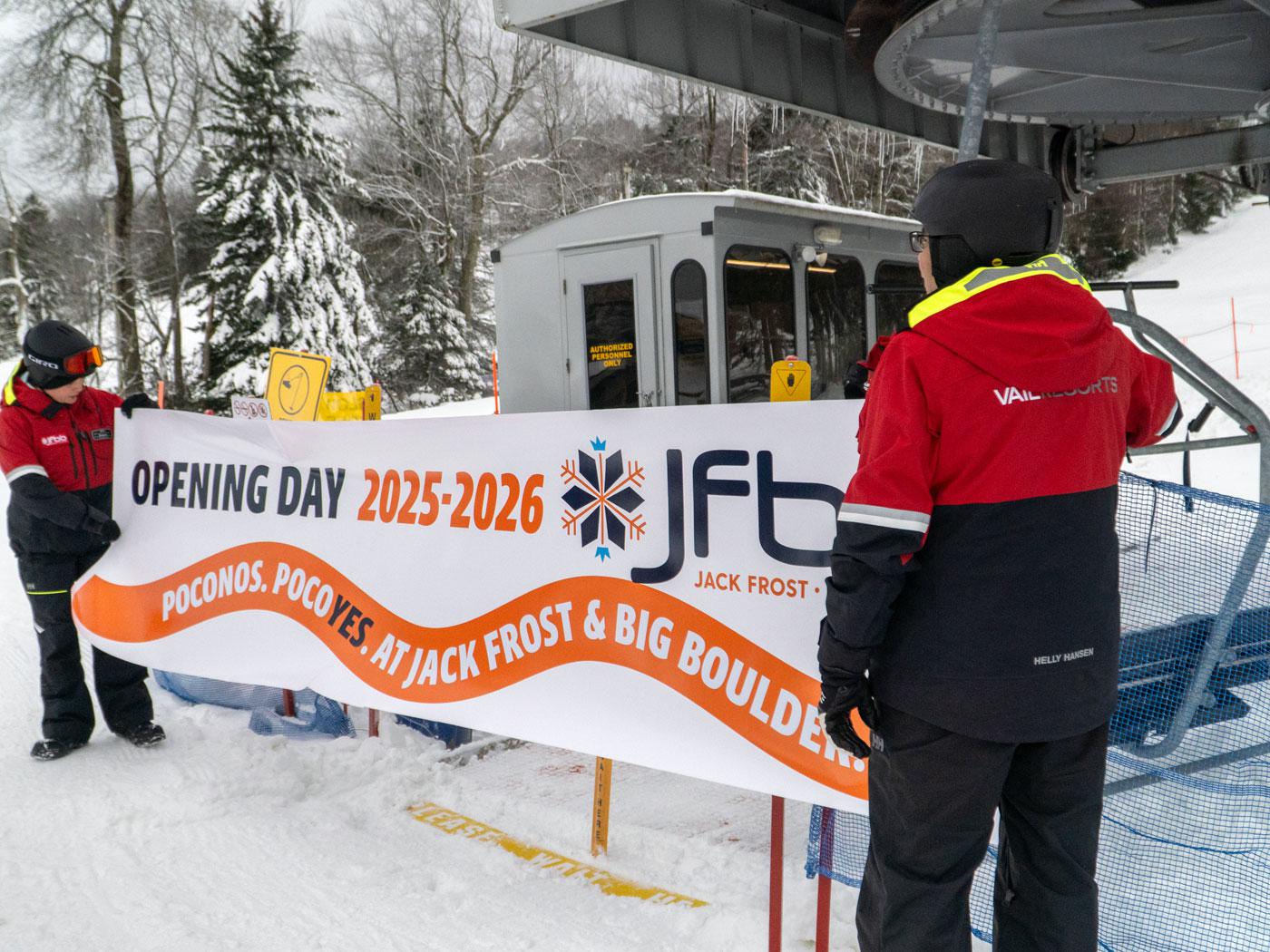
After an extended stretch of cold temperatures earlier this month, ski resorts across the Mid-Atlantic were able to make snow aggressively, building strong early-season base depths and opening expanding terrain. DCSki provides a comprehensive snapshot of current conditions across the region as resorts head into the end of December. Photo: Opening Day at Big Boulder, shot by Ella Muir.
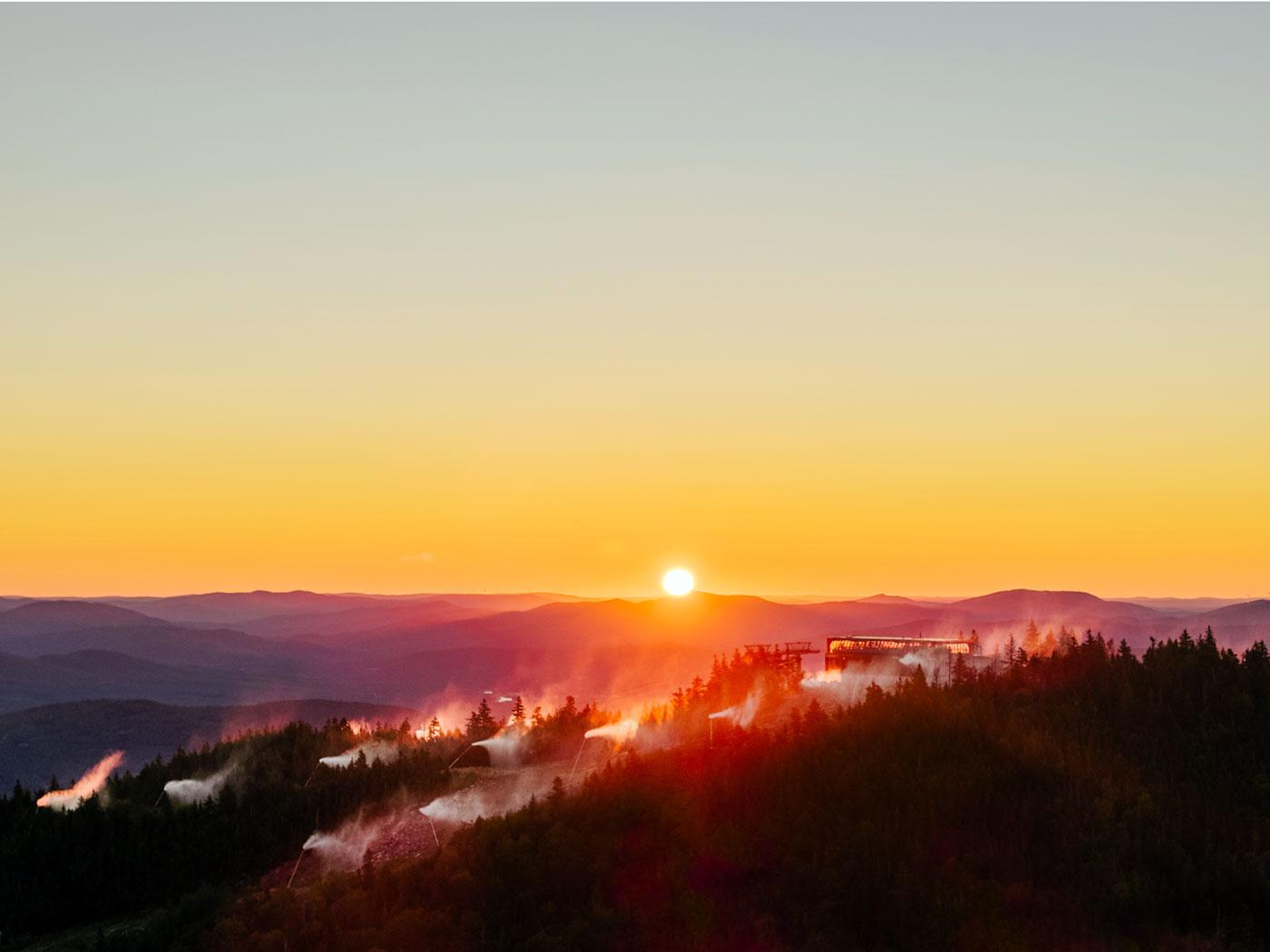
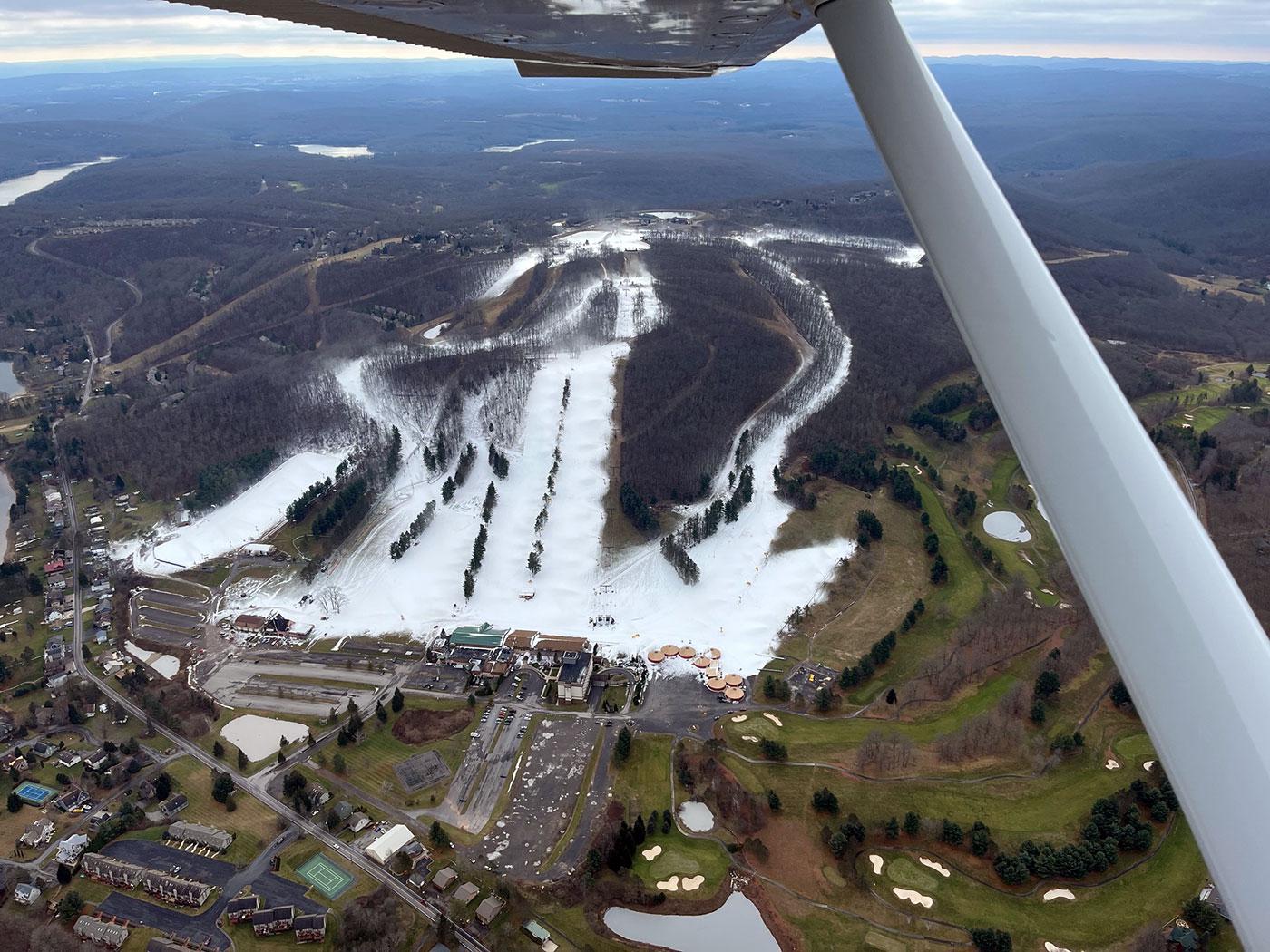
Sustained cold temperatures have allowed Mid-Atlantic ski areas to ramp up snowmaking and begin opening for the 2025–26 winter season, with several resorts launching operations in the first week of December. Additional terrain and activities are expected to come online soon as snowmaking continues across the region. Above, an aerial view provided to DCSki by a skiing pilot shows snowmaking underway at Maryland’s Wisp Resort on December 1.
An early-season cold snap brought the first real signs of winter to the Mid-Atlantic, covering higher elevations with natural snow and giving ski areas across West Virginia, Maryland, and Pennsylvania the chance to fire up their snowmaking systems. The drop in temperatures allowed resorts to run tests, train crews, and begin early preparations for the 2025 winter season. Some areas also saw natural snow, marking the region’s first widespread taste of winter weather. Above, natural snow falls at Hidden Valley Resort. Photo by Heidi Lewis.
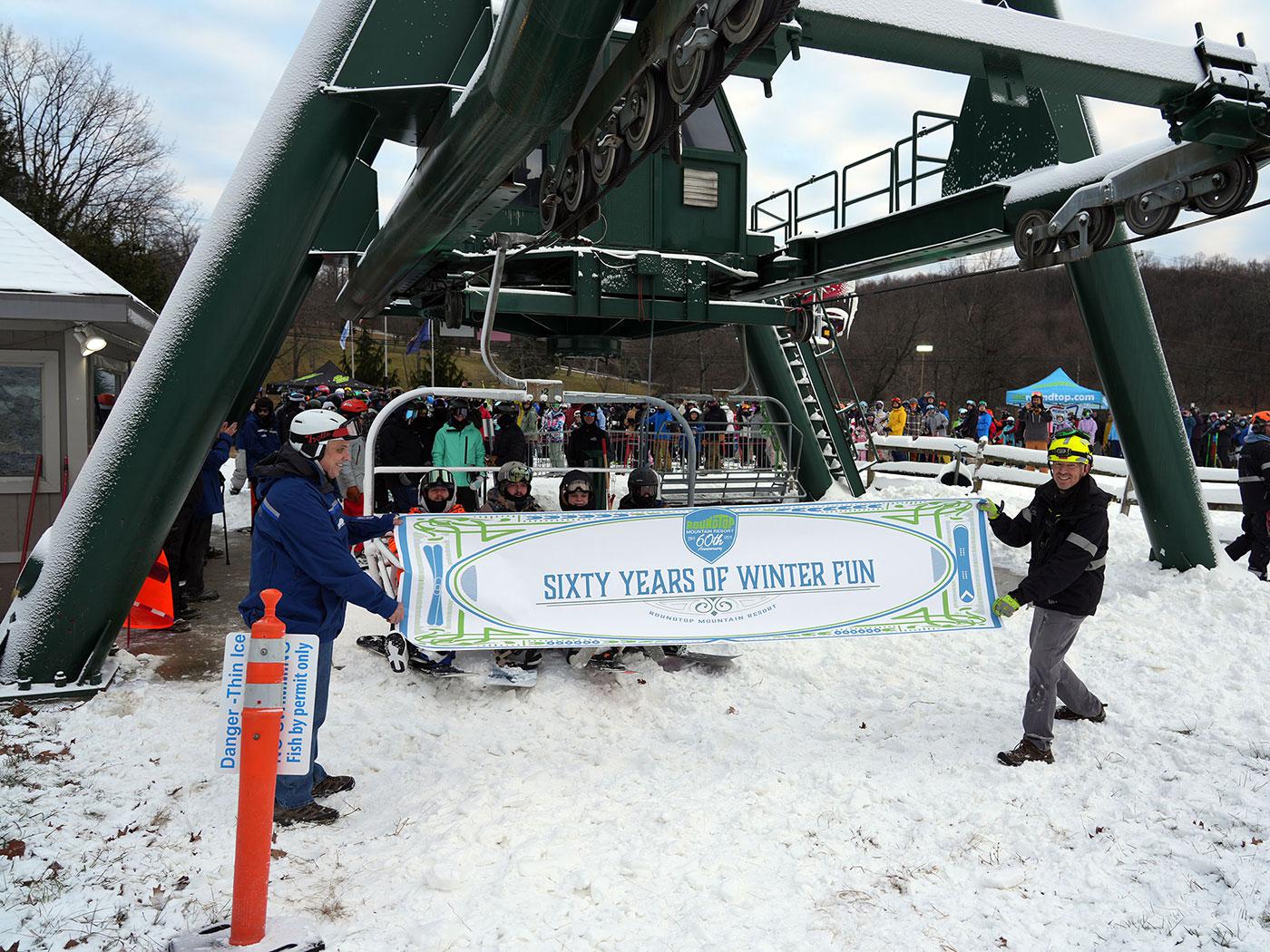
The majority of ski resorts in the Mid-Atlantic region are now open for the 2024-2025 winter season, with a variety of trails available for early-season skiing and snowboarding. Additional resorts are set to open in the coming days, supported by snowmaking efforts and natural snowfall. Above, Pennsylvania’s Roundtop Mountain began its 60th season on December 14, 2024. Photo provided by Haley Mowery / Roundtop Mountain.
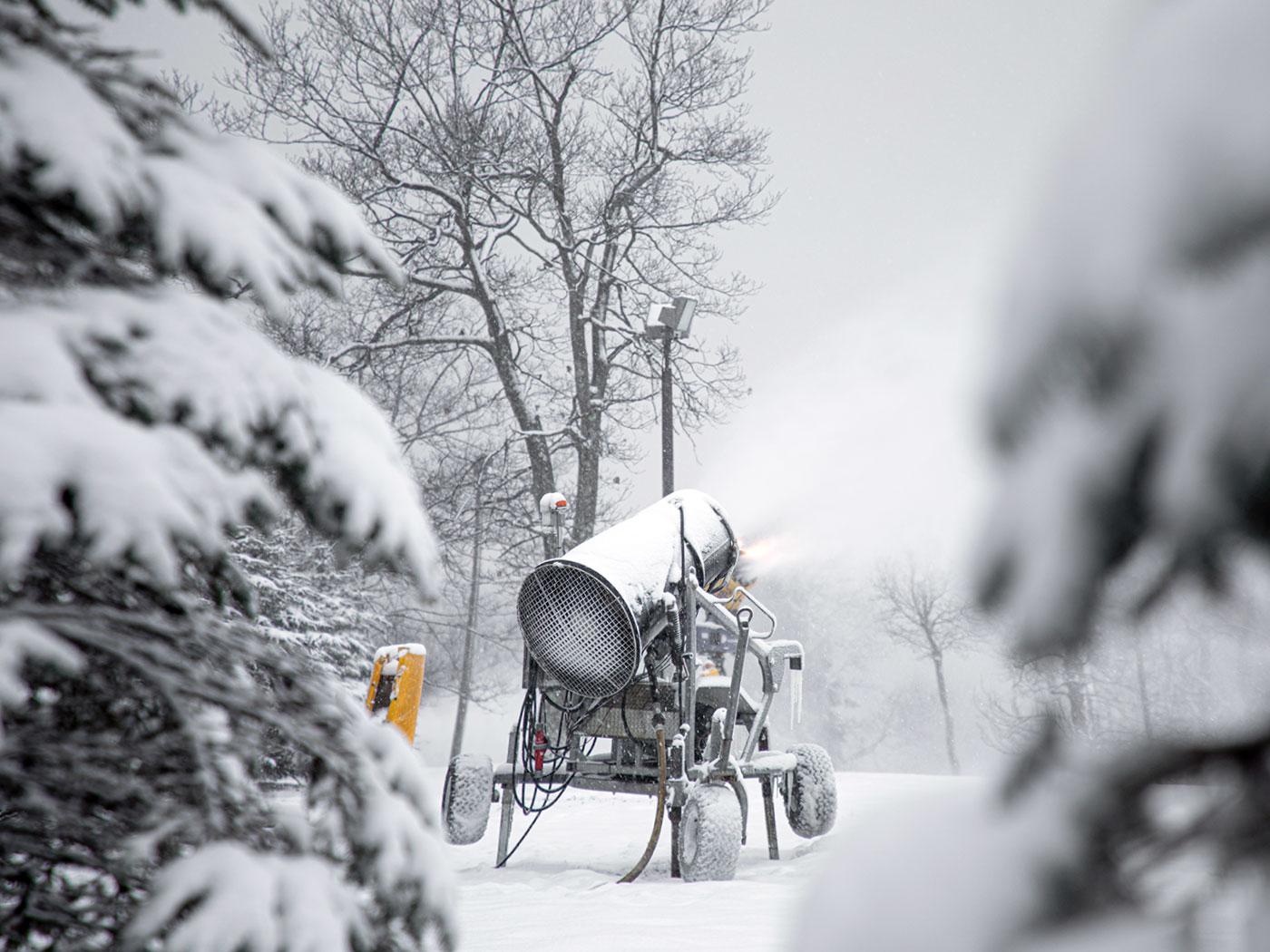
An arctic air mass has brought ideal snowmaking conditions to the Mid-Atlantic, enabling resorts across the region to prepare for their winter season openings, with many planning to open in early December. Resorts like Seven Springs, Wisp, Snowshoe, and Timberline Mountain are leading the charge, while others are building their bases for upcoming announcements. Photo by Heidi Lews / Hidden Valley Resort.