
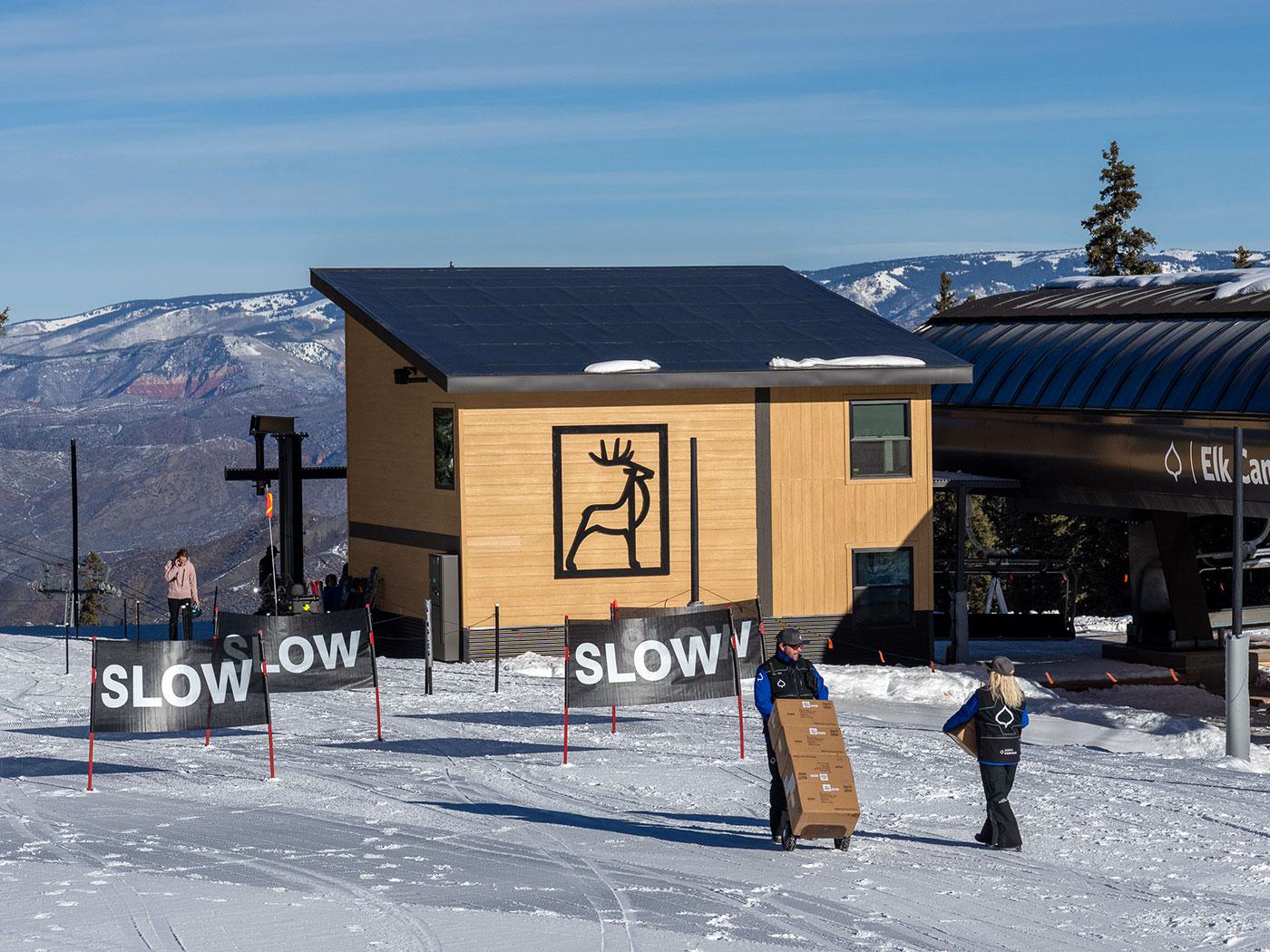
Aspen Snowmass says the installation at its Elk Camp chairlift is the world’s first battery-backed chairlift. The project is part of the resort’s efforts to reduce emissions and improve energy efficiency. The Elk Camp Chairlift itself is a high-speed six-passenger chairlift that replaced an older chairlift in 2025.
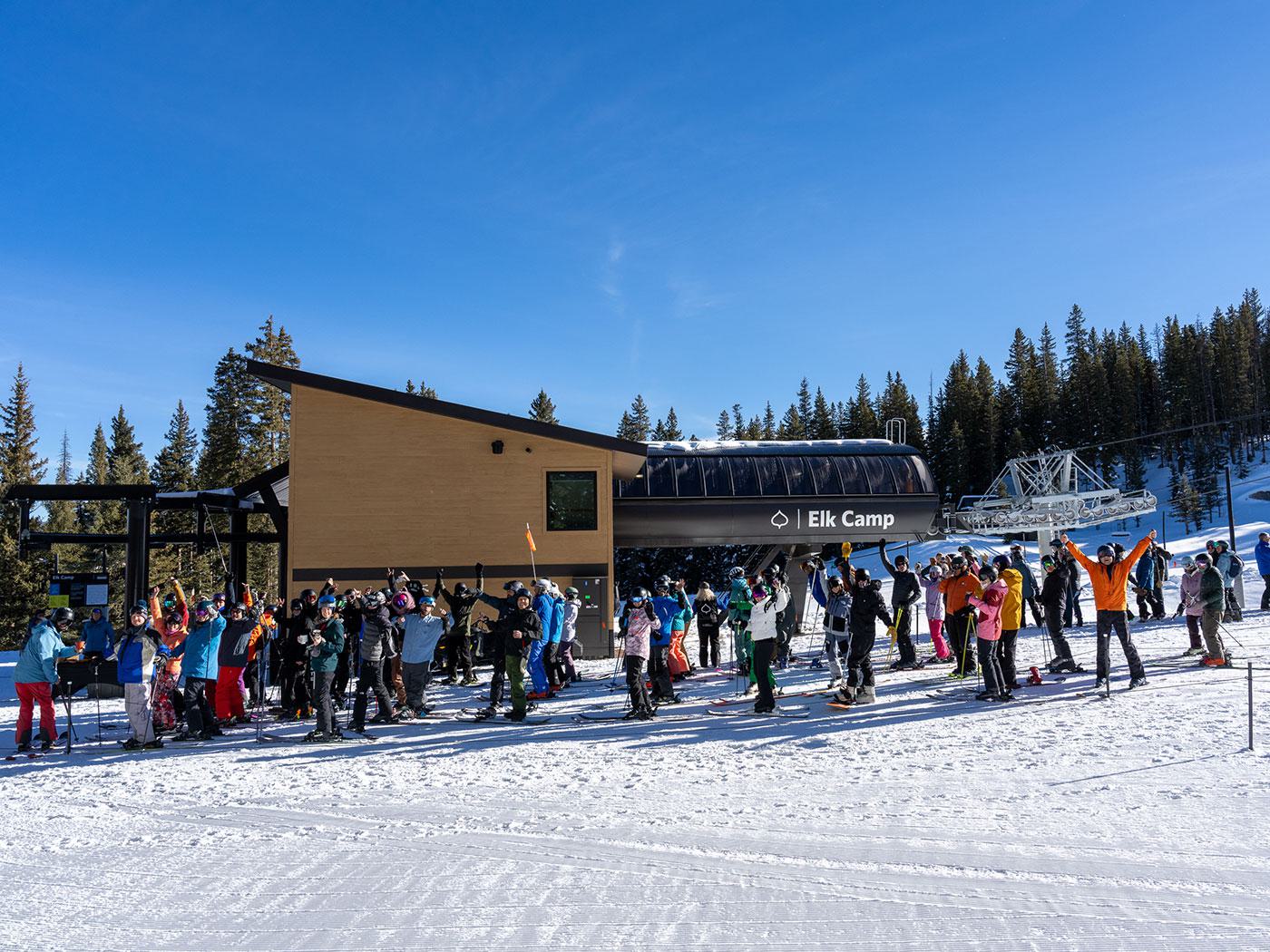
The battery replaces a 1,250-kilowatt diesel generator previously used to provide emergency power for the Elk Camp lift. According to reporting by the Aspen Times, the new system has a rated output of 900 kilowatts and is designed to provide backup electricity when the normal power supply is interrupted.
Chairlifts require backup systems capable of moving passengers to unloading stations during a power failure. Diesel generators have traditionally served that purpose, allowing operators to clear the lift without relying on rope evacuations.
At Snowmass, the battery provides an alternative that avoids running a diesel engine during outages. Aspen Snowmass says the previous generator produced approximately 144 tons of carbon emissions annually.
The installation also eliminates some of the logistical challenges associated with maintaining diesel equipment at high elevations. Aspen officials have pointed to the need to transport fuel up the mountain and periodically replace diesel stored in tanks, activities that require additional vehicle trips and maintenance.
The battery has another use: helping the local electric utility manage demand when the chairlift is idle. Holy Cross Energy, the cooperative serving the Aspen area, can draw on stored power during periods of high electricity demand. That gives the battery a role beyond emergency lift operations.
Another Approach to Battery Storage
The Snowmass installation comes amid growing interest in battery storage at ski resorts, including a much larger project proposed for Berkshire East Mountain Resort in Massachusetts.
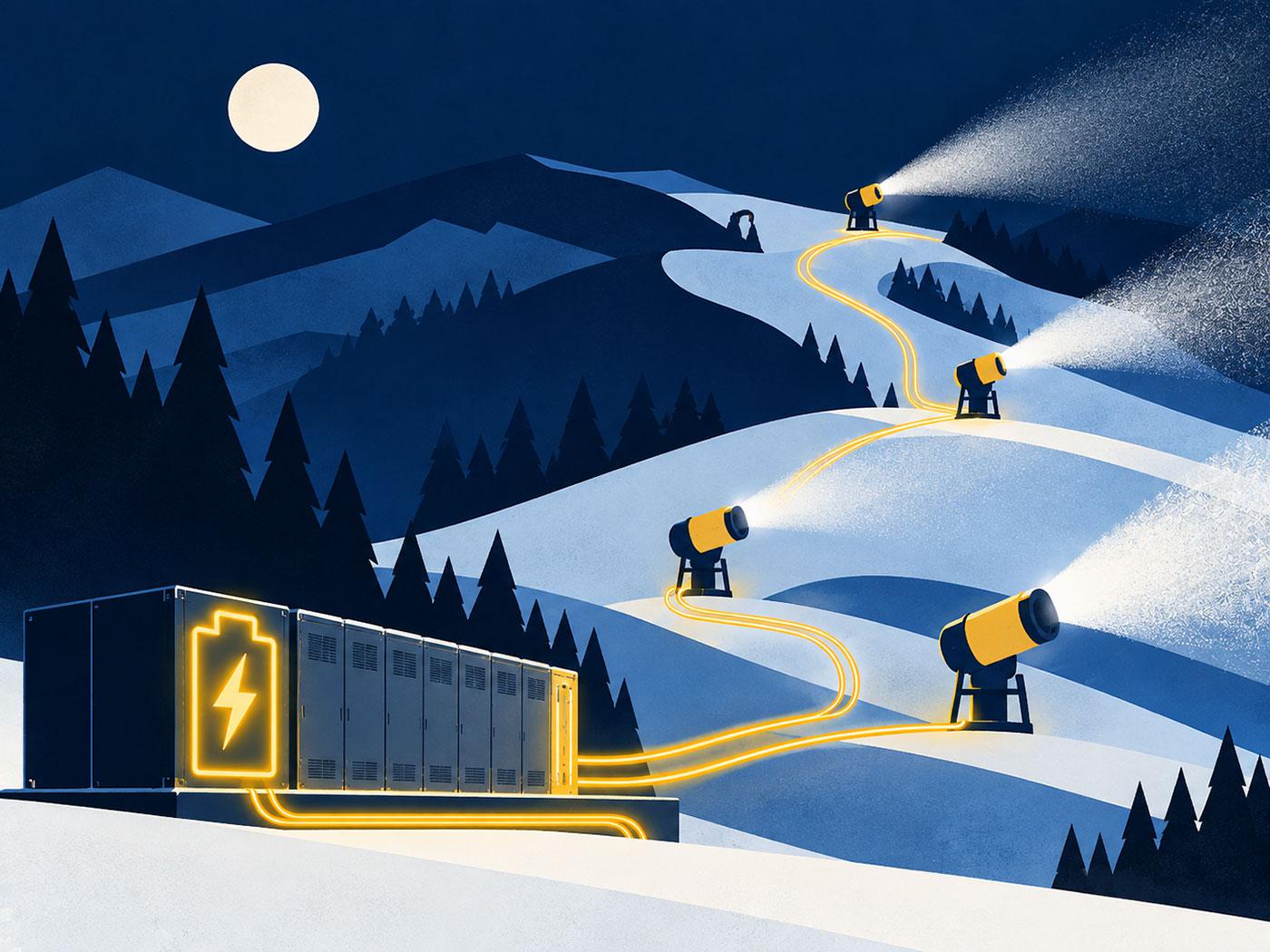
As DCSki reported last month, Berkshire East is considering an 80-megawatt-hour battery system designed primarily to reduce the electricity demand peaks associated with snowmaking.
The proposed Berkshire East installation would deliver up to 4 megawatts of electricity for 20 hours, allowing the resort to draw on stored power when its snowmaking pumps, compressors, and snow guns are operating simultaneously. The project has received a $4.5 million Massachusetts state grant and is targeting completion in 2028, subject to financing and approvals.
The projects address different needs. Snowmass is using battery storage to replace emergency diesel generation for a chairlift, while Berkshire East hopes to manage the substantial electricity costs associated with snowmaking. Both show how ski areas can use stored energy to manage demands on the electrical grid.
For Mid-Atlantic resorts, where snowmaking can place considerable demands on electrical infrastructure, these projects offer examples of how battery technology could support operations and help control energy costs.
Snowmass has not released the battery’s total energy storage capacity, expected runtime, or installation cost. Those details would help other resorts assess the practical requirements of a similar system. In the meantime, the Elk Camp installation puts battery-backed lift operation into service at a major North American ski resort.



Reader Comments