
The Alps offer enormous vertical, interconnected lift systems stretching across mountains and villages, spectacular scenery, and a ski culture that can make the vacation as interesting off the slopes as on them.
A European trip also isn’t necessarily as expensive as it might first appear. Airfare adds to the equation, but lift tickets, lodging, meals, ground transportation, and equipment rental can compare favorably with a trip to some major Western U.S. resorts.
There are tradeoffs. Getting there takes longer. The layout of a European ski area can be confusing at first. Trail markings and off-piste rules are different. Transportation may involve trains, buses, trams, and gondolas instead of a rental car. And skiers trying to duplicate the familiar American routine of driving to a resort, parking at a base lodge, and lapping the same handful of lifts may miss much of the appeal.
For Mid-Atlantic skiers who have never crossed the Atlantic for a ski trip, here’s what to expect.
The Mountains Are Big — and So Are the Ski Networks
Mid-Atlantic skiers are accustomed to areas where 600 to 1,500 vertical feet makes for a respectable run. In the Alps, individual descents can cover several thousand vertical feet, while interconnected lifts and trails can stretch across multiple mountains, valleys, and villages.
On his first European ski trip, DCSki Columnist Jim Kenney found Austrian ski areas with vertical drops of 3,500 feet or more seemingly around every corner. At Bad Hofgastein, he encountered a run descending nearly 4,800 vertical feet. In his 2003 report from Austria, Jim quickly discovered that the distances and vertical required a different approach from the “yo-yo type skiing customary to the mid-Atlantic US.”
That is useful advice for a first trip. A European ski day doesn’t need to be measured by the number of runs. One long descent can cover the vertical of several laps back home, and traveling across a large interconnected area can become the objective for the day.
DCSki Columnist John Sherwood found that scale particularly striking in Austria’s Arlberg. In his 2015 firsthand report from Lech, John described a network with 97 lifts at the time and figured a skier could spend a month there without skiing every marked trail, much less exploring all of the off-piste possibilities.
DCSki contributor Spencer Allen has taken the same idea much farther. In his recent DCSki Interview Series conversation, Spencer described the Alps as his favorite place to ski because of their sheer size and the ability to explore on skis. Depending on the region, a day can involve skiing from town to town or even crossing an international border.
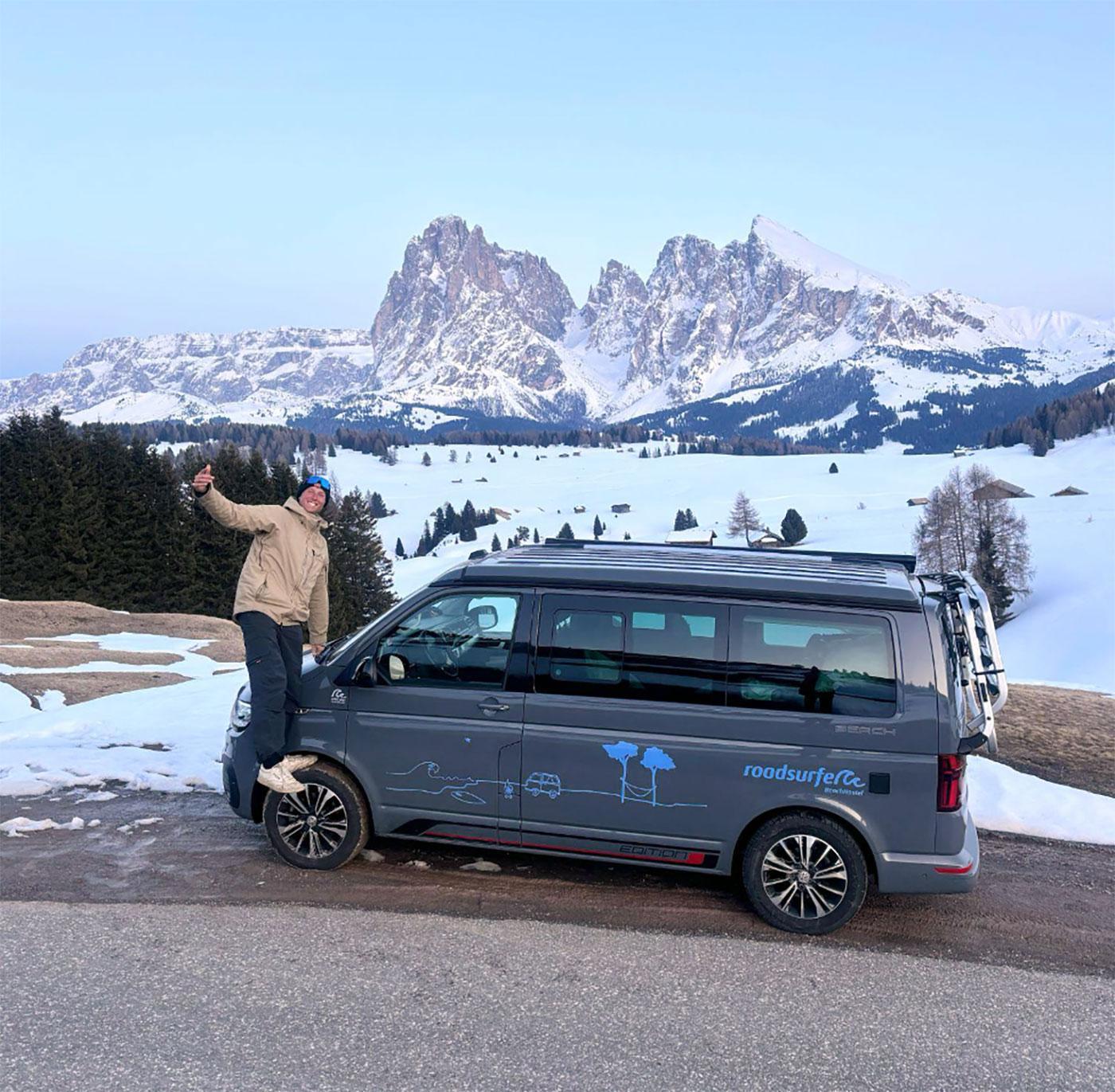
That scale changes the meaning of a “ski resort.” In North America, a resort usually has an obvious base area, a trail map, a collection of lifts, and a recognizable operating boundary. In Europe, the lifts and pistes may connect several villages and mountains into one sprawling network.
During this author’s 2014 DCSki trip to Arosa-Lenzerheide in Switzerland, ski trails crossed paved roads, lifts served different parts of the region, and a large aerial tram linked two previously separate ski areas across a valley. Some routes followed old pasture roads instead of broad trails cut specifically for skiing.
Getting Around Is Part of the Trip
One appealing difference of skiing in Europe is that a rental car may be unnecessary, and in fact, could be a liability.
Many Alpine ski towns have excellent rail and bus connections from major airports. John Sherwood reached the Arlberg from Zurich Airport by train in less than three hours. Switzerland is especially well suited to rail travel, with trains reaching deep into mountain regions and connecting directly with local buses, gondolas, and other transportation. They’re clean, modern, and nearly always on time.
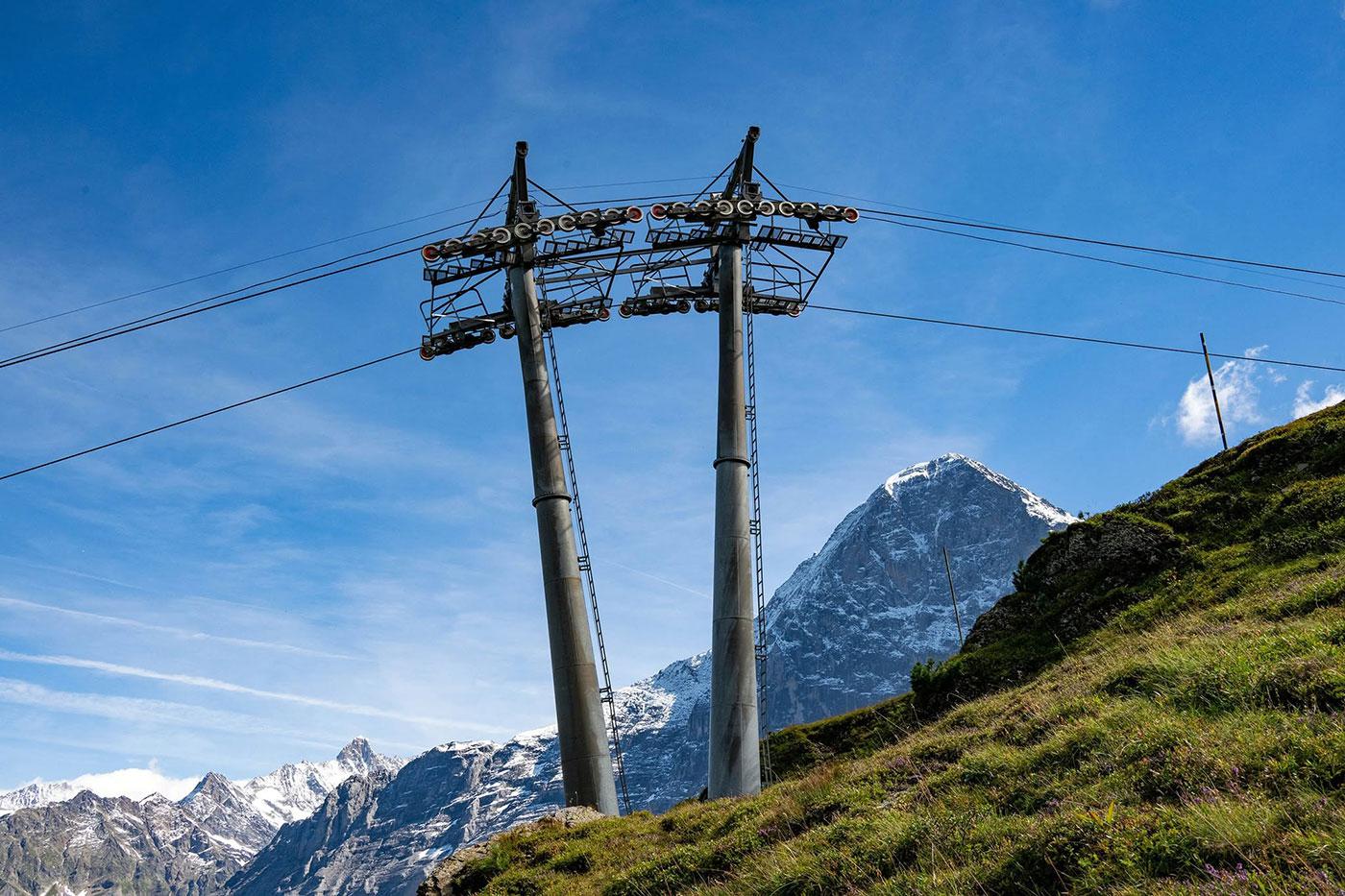
Jim Kenney’s January 2026 trip to Chamonix and Grindelwald shows how far that can go. In his DCSki Forum report from the trip, Jim described moving around the Grindelwald area using gondolas, buses, conventional trains, and cogwheel trains. On one day, his group skied both Männlichen and Grindelwald-First and traveled between the two by rail and bus. The Eiger Express gondola climbs more than 4,500 vertical feet on its way toward the slopes below the Eiger.
Jim had never skied anywhere else with trains “tooling around various parts of the ski slopes.”
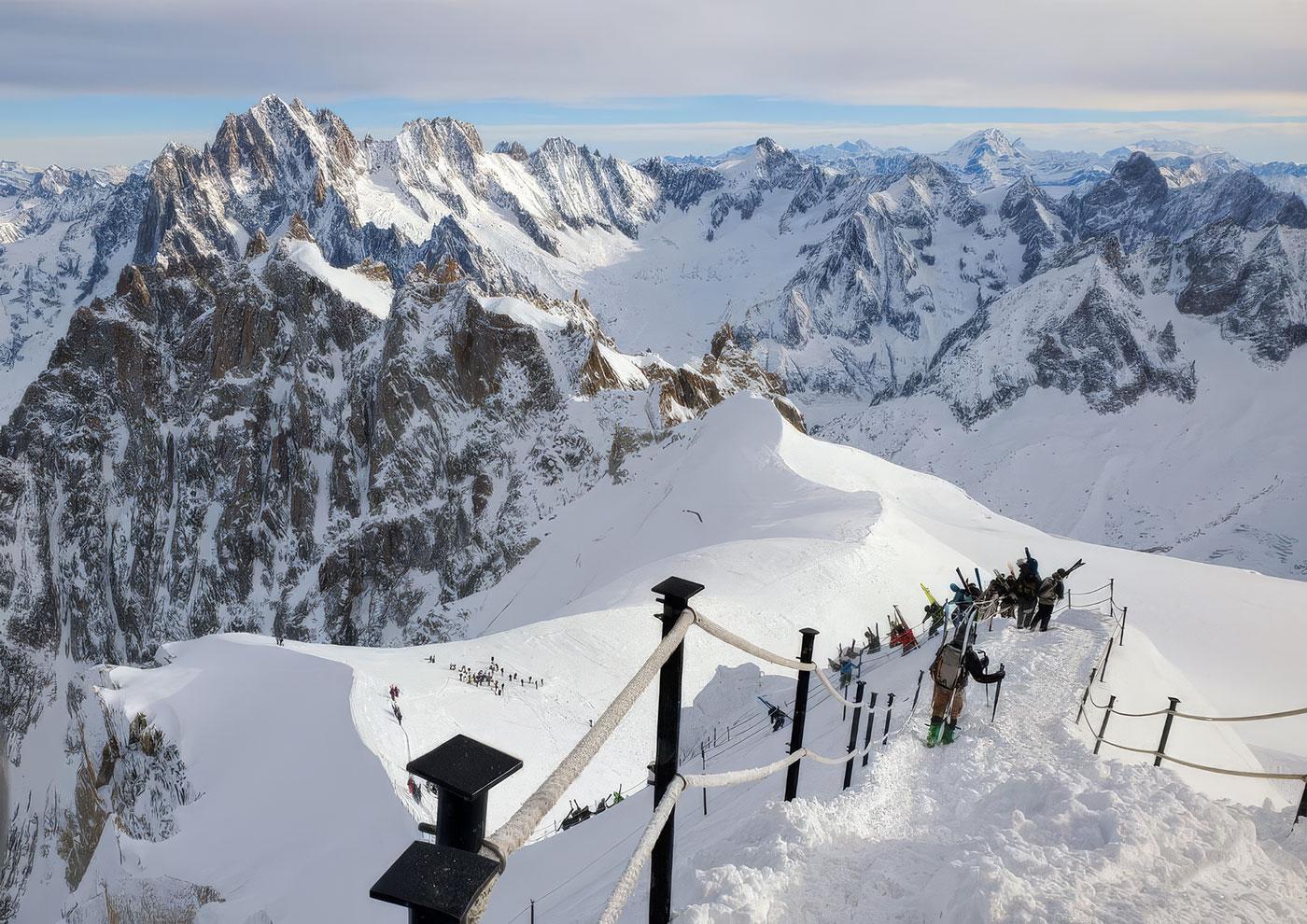
Public transportation can simplify a trip, particularly for travelers who don’t want to drive on unfamiliar winter roads. But luggage remains luggage. Moving ski bags, boot bags, suitcases, and winter clothing through train stations can become tiresome, particularly on an itinerary involving several destinations.
Renting skis after arrival is worth considering. It eliminates an oversized piece of luggage and makes train travel much easier. Skiers particular about boot fit can bring their own boots and rent only skis and poles.
The lift systems themselves may be another surprise. Major Alpine resorts make extensive use of large gondolas, cable cars, funiculars, high-speed chairs, protective bubbles, and heated seats. John Sherwood became particularly fond of the padded heated chairs at Lech, describing one in his Arlberg report as a “heated sofa in the sky.”
Not every lift is futuristic. Older surface lifts and other unusual contraptions can coexist with brand-new gondolas. European ski areas have often developed over many decades, and the infrastructure reflects that history.
Some Skiing Rules Are Different
The trail map requires a small mental reset. Systems vary by country and region, but blue commonly marks easier pistes, red intermediate terrain, and black more difficult marked runs. Skiers accustomed to green circles and blue squares will need a little time to recalibrate.
Difficulty is still relative to the mountain. A red piste may be a wide, beautifully groomed cruiser, but it may also descend for thousands of vertical feet. Fatigue can turn an otherwise comfortable run into a much different experience near the bottom.
The more important difference involves the terrain beyond the marked piste.
At many North American resorts, substantial areas of ungroomed terrain inside the ski-area boundary are patrolled and subject to avalanche mitigation. In much of the Alps, the marked piste itself is the controlled route. Terrain immediately beside it can be off-piste, with avalanche exposure, cliffs, crevasses, rocks, and other hazards.
Tracks heading away from a marked run should never be interpreted as proof that a route is safe.
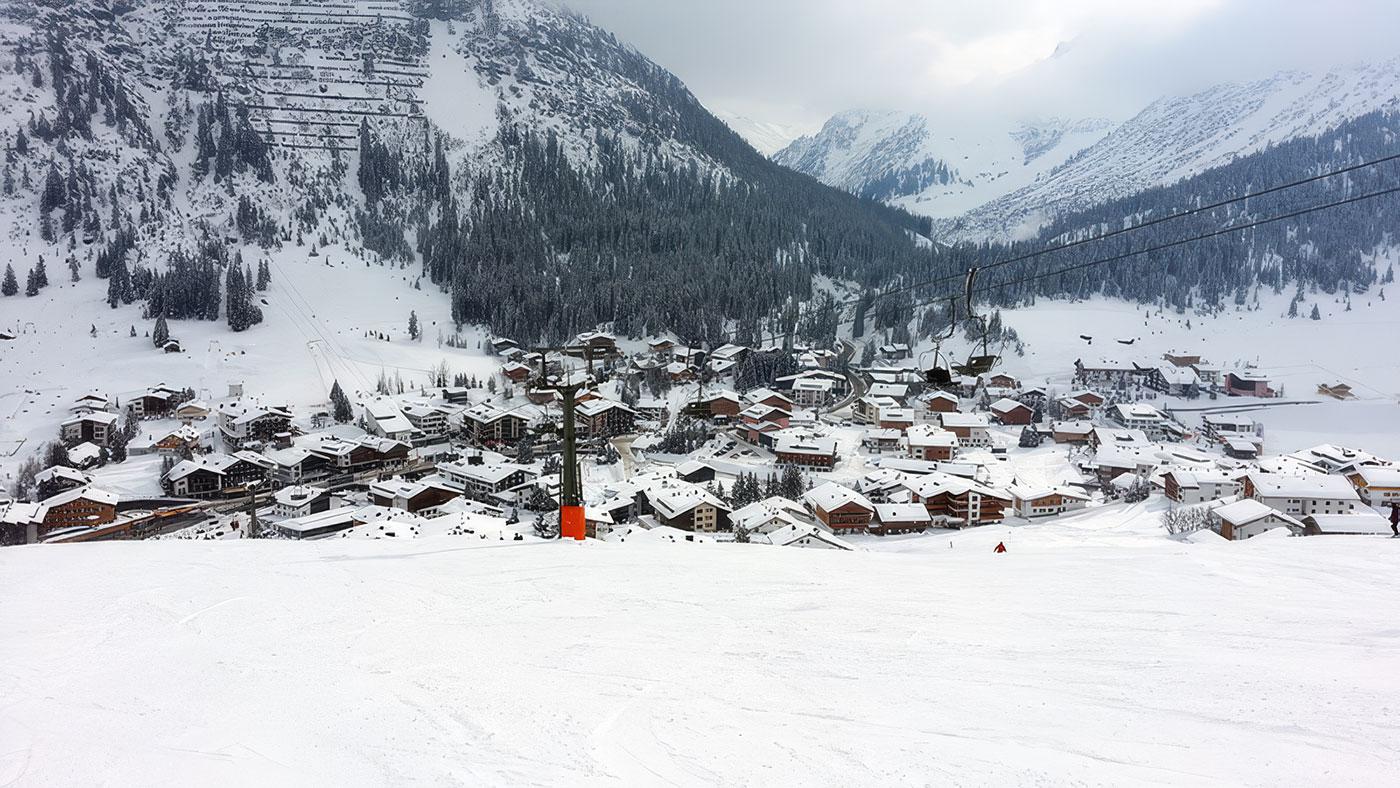
Skiers who want to explore off-piste terrain should strongly consider hiring a qualified local guide and should understand the avalanche equipment and insurance requirements at their destination. During his 2026 visit to Chamonix, Kenney and his son Vince hired a guide to ski the famous Vallée Blanche, an experience described in his trip report. Spencer Allen has also skied the Vallée Blanche and, in his DCSki interview, called it one of his favorite ski runs because of the scenery. Despite its lift access and popularity, it is a glacial backcountry route rather than another marked resort trail.
Weather and elevation also deserve careful attention. Alpine ski areas can extend far above treeline, and conditions can vary dramatically between the top and bottom of the mountain. Wind, clouds, visibility, and lift closures can change plans quickly. Checking the mountain forecast and lift status before traveling to a distant part of a ski network is a good habit.
The Trip Doesn’t Have to Revolve Entirely Around Skiing
One reason Europe can work particularly well for a longer vacation is that there is plenty to do when the skis come off.
Mountain dining is part of the experience. Lunch may involve sitting down at a restaurant rather than grabbing fries and racing back outside. John Sherwood’s Austrian reports regularly included descriptions of dumplings, Wiener Schnitzel, goulash, Tyrolean potato dishes, and Kaiserschmarrn along with the skiing.
DCSki Columnist Lou Botta found a similar rhythm during a trip to Zermatt, where skiing beneath the Matterhorn included crossing the border into Italy and stopping at slopeside restaurants and bars along the way.
This can also make the Alps attractive for a family or group that includes non-skiers. At many destinations, pedestrian gondola and rail tickets allow non-skiers to reach mountain restaurants and scenic viewpoints, meet the skiers for lunch, and continue sightseeing on their own.
The villages themselves can be part of the attraction. Instead of staying in a purpose-built base development, visitors may be lodging in a town with restaurants, shops, historic buildings, and regular train service to other destinations.
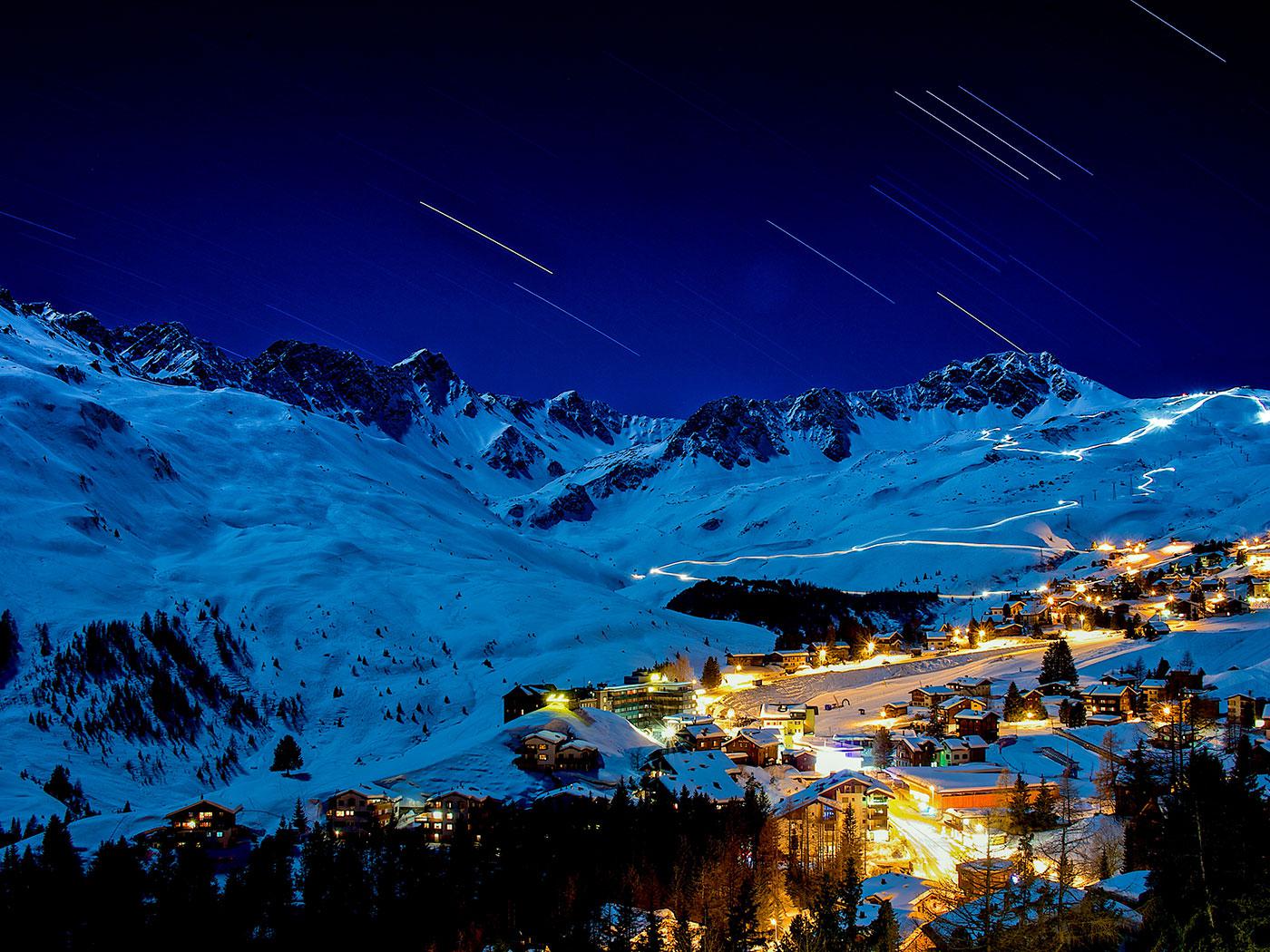
This author’s 2014 DCSki visit to Arosa-Lenzerheide, for example, continued afterward by train across the Alps to Ascona, where palm trees and a much warmer climate were only a few hours away. Combining skiing with another destination can make the long flight across the Atlantic easier to justify.
For travelers considering Europe this winter, cost may be the biggest impediment. Airfare is an obvious expense (with recent elevated fuel prices having an impact on the cost of plane tickets), but as noted earlier, less expensive lodging, lift tickets, equipment fees, and ground-based transportation may offset those costs and bring the trip more in-line with a Western U.S. trip. It’s certainly worth pricing out.
Anyone who already owns a multi-resort season pass should also check its current European benefits. Some major passes include access to European resorts, although participating destinations, included days, reservation rules, and restrictions can change from season to season.
Booking early can help with airfare and lodging, but flexibility has advantages too. Spencer Allen described using his Ikon Pass during a 16-day Alpine trip and adjusting parts of the itinerary around weather and conditions. Travelers comfortable making some decisions on the road may be able to follow better snow rather than locking every ski day into place months in advance.
Mid-Atlantic skiers already bring useful experience to the Alps. Firm snow, changing weather, crowded groomers, variable surfaces, and imperfect conditions are familiar territory. The larger learning curve is understanding how to move through a much bigger mountain environment.
Study the map. Learn the local trail classifications. Know when the connecting lifts close. Understand what counts as off-piste terrain. Decide whether hauling skis across the Atlantic is worth the trouble. Check pass benefits and transportation options before booking.
And leave some room in the schedule for a long lunch, a train ride, a village, or a day away from skiing.
The Alps may look intimidating from the Mid-Atlantic. Once the skis are on, the most familiar part of the trip may be the skiing itself.


Reader Comments