
Before the first cold snap sends everyone rushing to the same ski shops, this is a good time to make sure your equipment is ready. Most gear doesn’t require an elaborate preseason ritual, but a careful inspection and a tune can improve performance, uncover safety problems, and prevent opening morning from beginning with an unpleasant surprise.
Skis, Bindings and Boots: Check the Whole System
Start by turning the skis over. Small scratches and gouges are normal, but deeper damage that reaches the core, sections of base pulling away from the ski, cracked or separating edges, or obvious delamination deserve professional attention. A gray or chalky-looking base is usually asking for wax.
Edges are particularly important in the Mid-Atlantic, where freeze-thaw cycles and firm groomed snow are routine. Look for rust, burrs, deep nicks and damaged sections. Light rust can often be handled at home, but a shop tune can take care of base repair, grinding, edge sharpening and waxing in one visit.
Bindings deserve more caution. Alpine bindings are safety equipment, designed to hold the boot securely while skiing and release under appropriate forces in a fall. Check for cracked plastic, corrosion, loose parts or anything else that looks questionable. If boots have changed, bindings have been remounted, or the setup is older, a qualified shop can perform a function and release test.
Age can become an issue even when an older binding looks perfectly fine. Shops generally follow manufacturer and industry guidance about which bindings they are willing to service, and at some point a model may become too old for a shop to inspect, adjust or test.
DCSki’s Editor learned that lesson the expensive way. He once carried a pair of skis into a local shop expecting little more than a preseason tune and binding safety check. The shop took one look at the age of the bindings and declined to test or work on them. What was supposed to be an inexpensive tune-up ended with a full set of new skis and bindings heading out the door.
That wasn’t the original plan, but it was probably better to discover the problem at the shop than at the top of a mountain.
Give the boots equal attention. Inspect shells, soles, buckles, power straps and liners, and try the boots on before the first ski trip. Worn ski-boot soles can affect how the boot interfaces with the binding, while cracked shells or damaged hardware need to be addressed. Liners also pack out over time, so boots that once fit well may eventually feel loose or imprecise.
There is no fixed expiration date for skis. If they remain structurally sound, still ski well and suit the way you ski, there’s no reason to replace them simply because something newer is available. But extensive damage, aging bindings that can no longer be serviced, badly packed-out boots, or equipment that no longer matches your ability and preferred terrain can all provide reasonable excuses to start shopping.
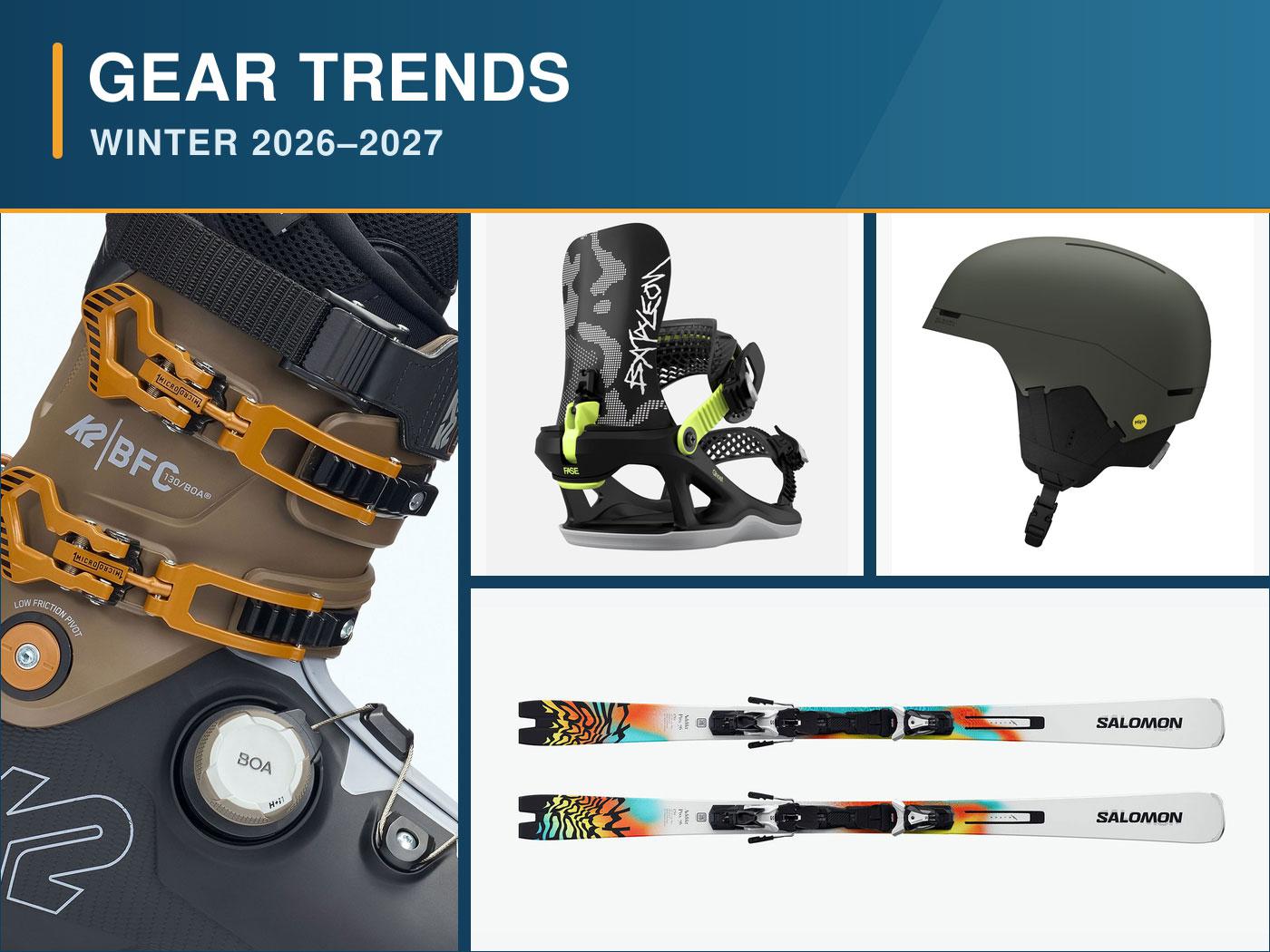
If you are in the market for new ski gear, be sure to check out DCSki’s recent article where we looked at gear trends for Winter 2026-27.
Snowboarders: Bases, Edges, Bindings and Boots
Snowboarders can perform much the same preseason inspection. Look over the base for deep gouges, dry areas, delamination or other structural damage, then inspect the edges for rust, burrs and cracks. A wax and edge tune can make a noticeable difference on firm Mid-Atlantic snow.
Snowboard bindings don’t use the release system found on alpine skis, but they take plenty of abuse. Inspect straps, ratchets, buckles, highbacks, heel cups, baseplates and mounting hardware. Tighten anything that has loosened and replace cracked, distorted or unreliable components before the season begins.
Boots should be checked for worn laces, malfunctioning BOA systems, separated soles and liners that have packed out enough to allow excessive movement. As with ski boots, trying them on in October is easier than discovering a problem while getting dressed in a resort parking lot in January.
Don’t Forget Everything Else
The supporting gear deserves a quick once-over, too. Check pole baskets and straps, look for scratches or deteriorating foam on goggles, test jacket zippers, and inspect gloves for holes or failed seams. If you use a helmet, look for cracks, dents, damaged straps or evidence of a significant impact, and follow the manufacturer’s replacement guidance. You might also check the tires on your car and make sure they have plenty of tread for getting across sometimes-snowy Mid-Atlantic roads.
And locate everything; gear has a tendency to spread out to unexpected parts of your home. Opening morning is a poor time to discover that one ski boot is in Maryland and the other is apparently in another dimension.
Where to Get a Tune in the Mid-Atlantic
The local ski-shop landscape has changed considerably over the years, so it’s worth checking before driving to a place you remember from the past. Princeton Sports’ Columbia store disappeared years ago, and the longtime Baltimore store has now closed as well. Ski Center has changed locations and names over its long history, while other familiar shops have vanished entirely.
The following shops are currently operating and offer ski or snowboard service. Turnaround times can grow quickly once snow enters the forecast, and older bindings may not be serviceable, so calling ahead is smart.
Ski Center LTD — Gaithersburg, Maryland. Ski Center offers ski and snowboard tunes, stone grinding, edge work, infrared waxing, binding calibration and mounting. The shop has a long lineage in the Washington ski community, and DCSki users have continued to recommend its staff for boot fitting and technical work.
Pro-Fit Ski & Mountain Sports — Leesburg, Virginia. Pro-Fit has been one of the most consistently recommended shops among DCSki readers, particularly for boot fitting. The Leesburg store also offers ski tuning and service. Its adjacent Inside Ski Training Center closed earlier this year, but Pro-Fit itself remains open and is expanding its retail space.
Alpine Ski Shop — Sterling and Fairfax, Virginia. Alpine has been serving Northern Virginia skiers for decades and currently operates shops in Sterling and Fairfax. Its service department offers ski and snowboard tuning, binding calibration and mounting, base repair and boot work.
Peak Bicycle & Ski — Baltimore, Maryland. This is the important new name for Baltimore-area skiers who remember Princeton Sports. After Princeton Sports closed, longtime Princeton employees Corey Adams and ski-shop manager Greg Doda opened Peak nearby on Falls Road. Peak offers ski and snowboard tune-ups, binding mounting and calibration, and stone grinding.
Sun & Ski Sports — Gaithersburg, Maryland. The Gaithersburg location operates a full-service ski and snowboard shop with basic and performance tunes, base repair, waxing, binding mounting and testing, and boot work.
Buckman’s Ski & Snowboard Shops — Eastern Pennsylvania. Buckman’s operates seven seasonal stores in eastern Pennsylvania, including King of Prussia, Doylestown, Ardmore, Montgomeryville, Reading, Whitehall and Exton. Its central workshop handles full ski and snowboard tunes, binding work, repairs and boot modifications, making it a useful option for Philadelphia- and Pocono-area skiers.
Willi’s Ski & Board — Pittsburgh area and Seven Springs. Willi’s has served western Pennsylvania skiers for more than 50 years and currently offers tuning at its South Hills and North Hills stores as well as its Seven Springs location. Services include stone grinding, waxing, edge work and binding service.
A little preseason attention now is usually easier than dealing with equipment problems after the lifts start turning. Get the tune, make sure the safety equipment is serviceable, and put everything somewhere you’ll remember when winter finally arrives.



Reader Comments