

Walk into a ski shop this fall and much of the equipment will look familiar. Skis are still skis. Snowboards are still snowboards. Four-buckle ski boots have not disappeared, and plenty of snowboarders are still perfectly happy ratcheting into conventional two-strap bindings.
Look a little closer, though, and the winter sports equipment world continues to evolve.
Some technologies that seemed novel only a few seasons ago are rapidly becoming mainstream. Other changes are less obvious, involving materials, chemistry, construction, and even how equipment is designed to be repaired or recycled.
Here are some of the more interesting trends DCSki is seeing as the 2026-27 winter approaches.
BOA Is No Longer a Snowboard-Only Story
One of the most visible changes in ski boots is the arrival of a small round tightening dial where traditional buckles once did all the work. Called the BOA Fit System, the dial pulls a thin, high-strength cable through guides around the boot. Turning the dial gradually tightens the fit; releasing it loosens the system.
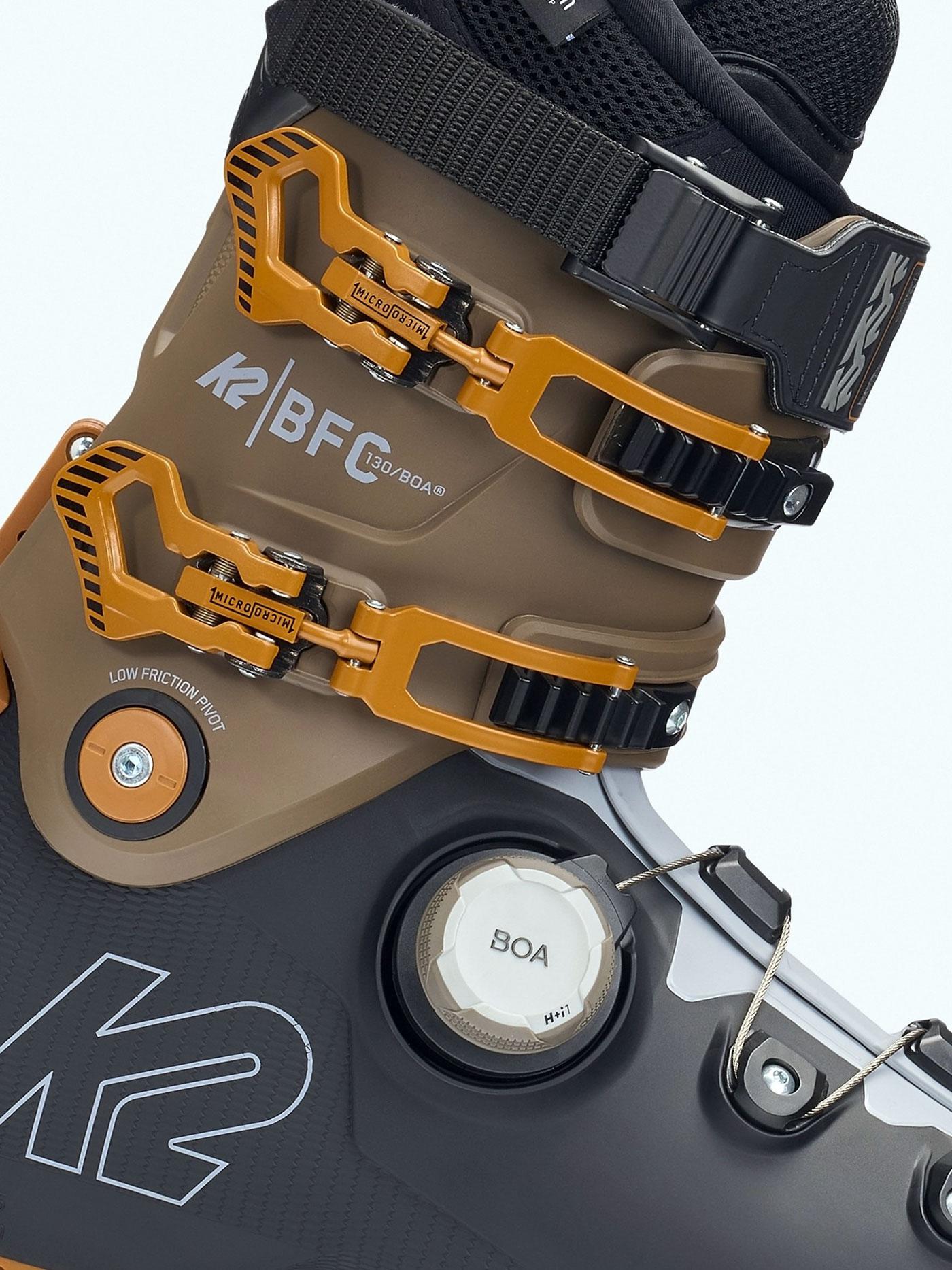
Snowboard boots have used similar BOA systems for years, but the technology is now spreading rapidly through alpine ski boots. The first wave largely replaced lower-shell buckles with a cable-and-dial system designed to wrap the shell more evenly around the foot. Now dual-dial designs are appearing, with BOA controls on both the lower shell and upper cuff.
Traditional buckle boots are certainly not going away. But BOA has moved far enough into the alpine market that major manufacturers are now offering multiple BOA-equipped models, and the technology is even making its way into higher-end rental boots.
The benefits are somewhat compelling. Instead of ratcheting between discrete buckle positions (fumbling to do so with ski gloves on), a skier can make small adjustments with a dial. The system can also distribute pressure differently across the foot than a conventional buckle.
Whether that makes a BOA boot better for a particular skier still comes down to the most important rule in ski boots: fit comes first. A beautifully engineered closure system cannot rescue a boot that is the wrong shape for your foot.
Snowboard Bindings Are Getting Faster
On the snowboard side, convenience continues to drive one of the industry’s biggest changes.
Burton’s Step On system demonstrated that plenty of riders like the idea of getting into a binding without sitting down and cranking traditional straps. Now the fast-entry category is expanding in different directions.
One of the biggest developments for 2026-27 is the rapid expansion of the FASE system across brands including Jones, Rome, Bataleon, and ThirtyTwo. Rather than eliminating straps altogether, FASE attempts to preserve the feel and broad boot compatibility of a traditional two-strap binding while making entry considerably quicker.
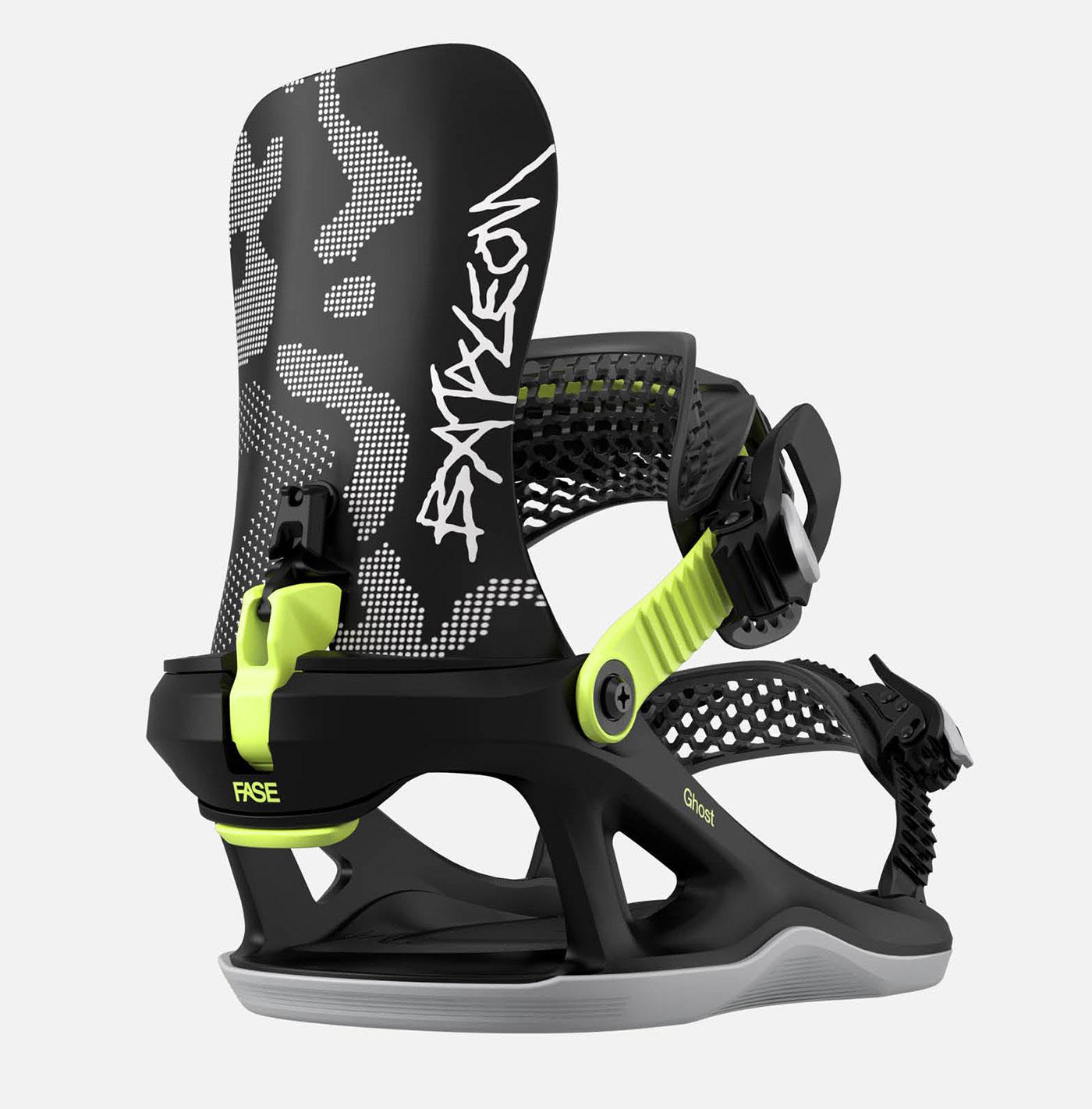
That could help fast-entry systems appeal to riders who liked the convenience of step-in concepts but did not want to commit to a specific compatible boot.
The broader trend is clear: snowboard companies increasingly view bending over and ratcheting two straps at the top of every run as a problem worth solving.
Narrower Skis Are Getting Another Look
For years, ski development seemed to follow a simple rule: wider was more interesting.
Powder-oriented shapes influenced all-mountain skis, and waist widths that once would have looked enormous became routine even for skiers who spend most of their days on groomed trails.
Long-time DCSki readers probably remember the transition to “shaped” skis from the narrower skis of old.
Well, the pendulum may be moving back a little.
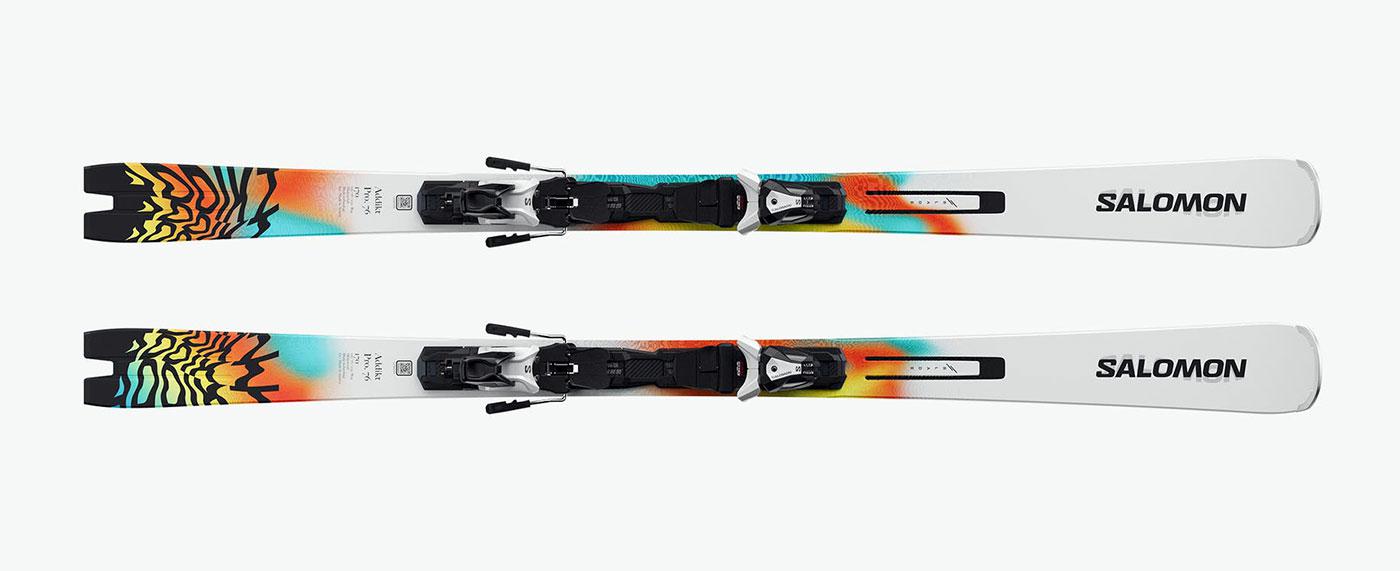
Heading into the 2026-27 season, ski-industry observers are seeing renewed attention on narrower, high-performance skis designed to carve groomed snow. That does not mean fat skis are disappearing. Freeride equipment remains a major category, and wider skis make perfect sense for many western conditions.
But the Mid-Atlantic isn’t known for pockets of deep, natural powder.
Most days here are spent on machine-made snow, packed powder, or firm groomed surfaces. A narrower ski can move from edge to edge quickly and provide excellent grip where Mid-Atlantic skiers spend much of their time.
After years of asking how wide a ski can become while still working on groomers, manufacturers seem increasingly willing to ask the opposite question: how much fun can we make a ski specifically designed for them?
One Binding for Going Up and Going Down
Another equipment category continues to blur the boundary between resort skiing and ski touring.
Hybrid alpine-touring bindings are designed for skiers who want uphill capability without giving up the feel and security of a more traditional alpine setup on the descent. New systems continue to experiment with ways of combining a lightweight tech toe for climbing with alpine-style components for skiing downhill.
This remains a niche category compared with ordinary resort bindings, particularly in the Mid-Atlantic. But it reflects a broader trend toward equipment that can perform multiple jobs.
For skiers who occasionally skin uphill, travel west, or explore backcountry terrain, carrying one setup instead of separate resort and touring skis can be attractive.
Helmet Technology Keeps Moving Forward
A ski helmet used to be a relatively simple combination of a hard shell, foam, and padding. Style was, perhaps, an afterthought.
Today’s helmet aisle has become considerably more technical.
Systems designed to address rotational forces, including Mips and other proprietary technologies, continue spreading through product lines. Manufacturers are also experimenting with different impact-management materials, lighter construction, improved ventilation, and better fit systems.
At the same time, sustainability is beginning to influence helmet construction. Some manufacturers are incorporating recycled plastics and foams, while Salomon’s Brigade Index concept is designed largely from materials in the same family so the helmet can be more easily recycled at the end of its useful life.
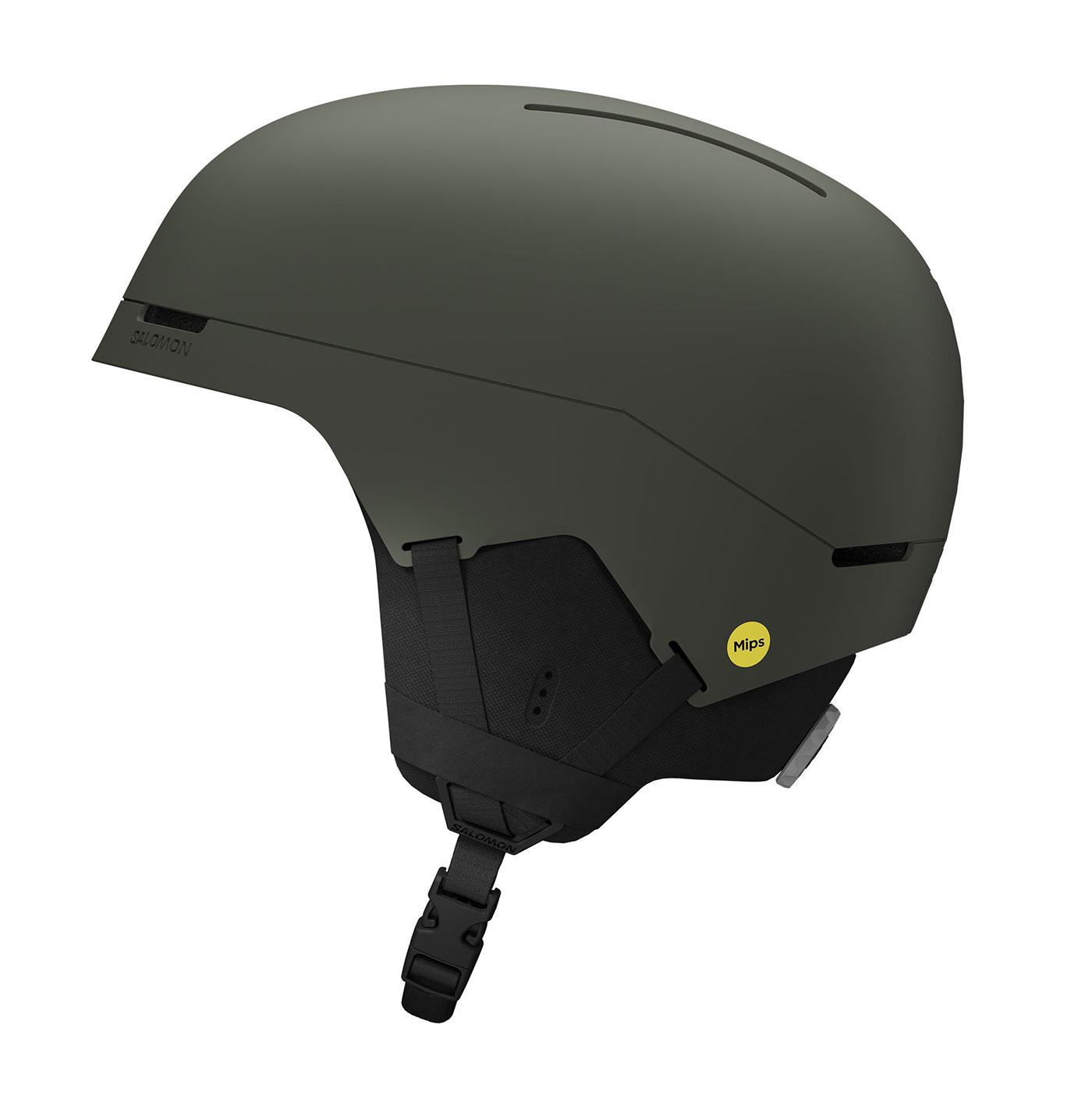
That is an interesting change in thinking. Helmets are safety equipment and should be replaced after significant impacts or when their condition warrants it. Designing one with its eventual disposal in mind addresses a problem that has historically received little attention.
Outerwear Is Changing Where You Can’t See It
Some of the biggest changes in ski clothing are nearly invisible.
The outdoor industry continues moving away from PFAS — a broad family of persistent chemicals historically used in waterproof treatments and other applications, but that are now receiving scrutiny about their long-term health impact. The transition has pushed textile companies to develop new membranes, coatings, and durable water-repellent treatments that can provide weather protection with different chemistry.
At the same time, manufacturers continue increasing the use of recycled materials. A newer development is greater attention to what happens after a jacket has been used for years.
Arc’teryx, for example, recently introduced a circular-design initiative that considers repairability and eventual material recovery as part of the design process. Other outdoor companies are pursuing similar ideas.
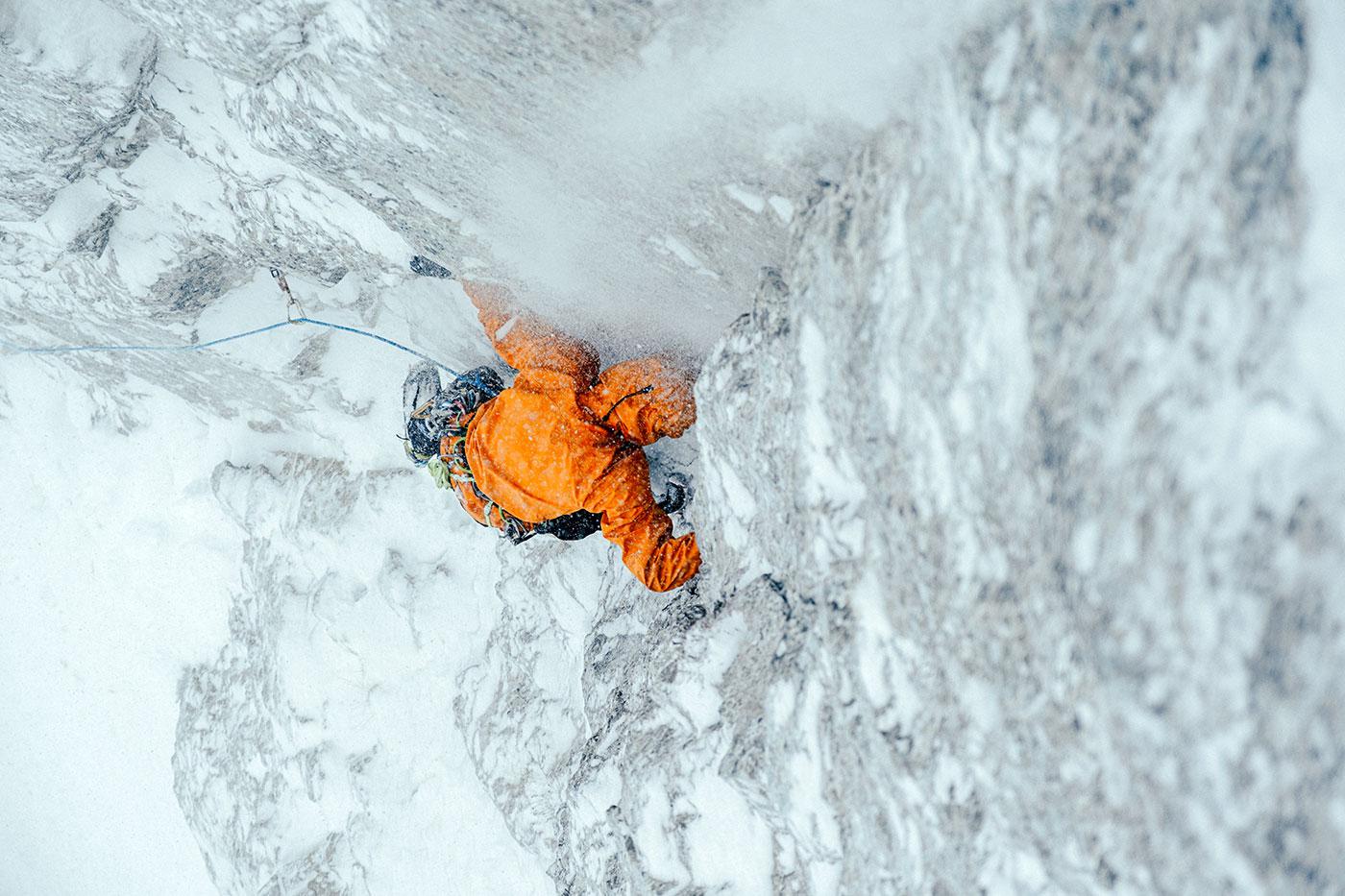
For consumers, that could eventually mean technical clothing designed not simply to survive longer, but to be easier to repair and less difficult to recycle when it finally reaches the end of its life.
Convenience Is Becoming a Performance Feature
Taken together, several of these trends point in the same direction.
Gear designers increasingly seem interested in removing small annoyances without asking skiers and snowboarders to sacrifice performance.
A ski boot dial is easier to fine-tune than repeatedly opening and closing a buckle. A fast-entry snowboard binding reduces the ritual at the top of a run. Magnetic and quick-change goggle lenses make it easier to respond to changing light. Better fit systems make helmets easier to adjust with gloves on.
None of these innovations fundamentally changes skiing or snowboarding. But over a full day on the mountain, small conveniences add up.
Do You Need Any of It?
Probably not.
That may be the most important thing to remember while looking at shiny new equipment this fall.
A well-fitting pair of conventional four-buckle ski boots remains perfectly capable of delivering outstanding performance. Traditional snowboard bindings work. A good ski does not become obsolete because a new model appeared in a catalog.
New technology is most useful when it solves a problem you already have.
If you struggle with pressure points in ski boots, a different closure design may be worth exploring. If repeatedly strapping into a snowboard binding has become difficult, fast-entry systems are suddenly providing several choices. If most of your skiing takes place on firm Mid-Atlantic groomers, the renewed focus on narrower carving skis might be worth a demo.
And if your current gear works beautifully?
Wax it, sharpen the edges, and keep skiing it. When it’s time to finally upgrade, you’ll may be rewarded with some nice refinements.