
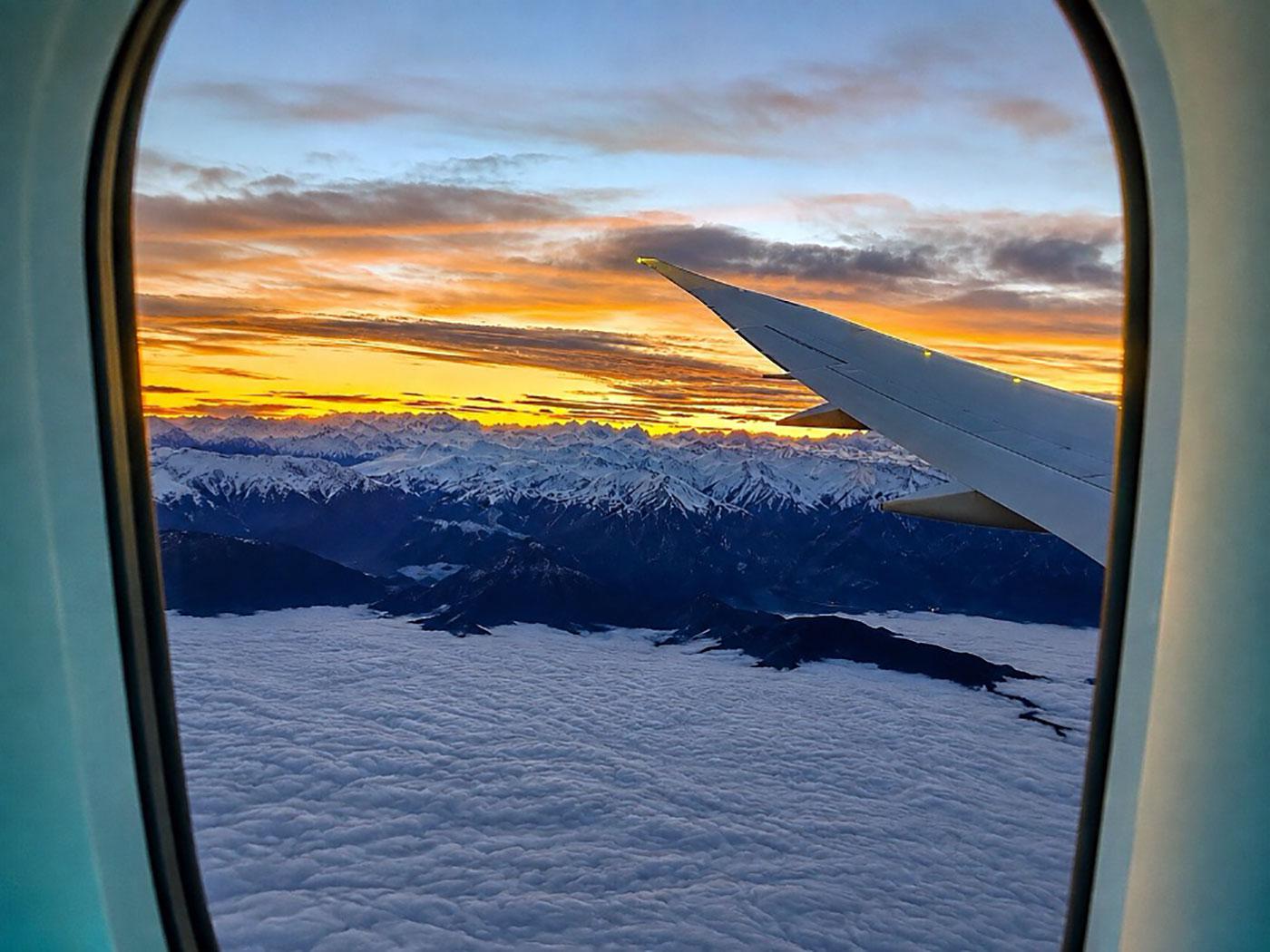
This summer the planets must have aligned, as I found my airline points actually worth something more than a trip to Cleveland and I was able to secure a two-ticket trip to Santiago, Chile.
I was able to sell the adventure to the-woman-whom-I-am-related-to-by-marriage as we can go for a week, ski three days and wine taste for three days. I must be good salesman or she realized ski boots were perfect for bringing home bottles of wine, as she agreed! We also lucked out as “famous” YouTube-r Spencer Allen agreed to join us as well. Thus, we found ourselves climbing up a very twisty road to go ski in August. What is not to like?
First, You Have to Get There
Well, travel to the ski areas in not for the weak stomached. The ski areas outside Santiago look close on a map. Valle Nevado, El Colorado, and La Parva (collectively the Tres Valles) sit in the mountains just east of the city. The distance as the crow flies is not great. The road is another story.
Reaching those Tres Valles resorts requires driving a very narrow road up forty very tight switchbacks to rise above Santiago. Rental cars are available, but drivers must be ready for winter weather and carry chains. You also need to know where and when to put them on. There are people along the route who can help, but if you do not speak Spanish, the whole process can become an adventure within the adventure.
For most visitors, I recommend taking organized transportation. Just bring some patience. A bus scheduled to leave at 7:30 a.m. may roll out at 8. The mountain operates on Chilean time and fighting it will not get you to the snow any faster.
Big Mountains, Old-School Feel
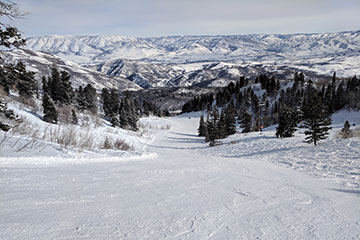
Once you reach the snow, the frustrations of getting there disappear quickly. Valle Nevado, La Prava and El Colorado offer enormous alpine terrain with wide-open views across the Andes. The resorts are well above the tree line so the skiing feels vast and exposed. On a clear day, the ridgelines seem to run forever. The Andes are spectacular. Due to the high altitude when conditions are right, the snow quality is outstanding.
The lift system, on the other hand, is a mixture of modern and old school. Do not arrive expecting every chair to be a heated high-speed six-pack. Surface lifts remain part of the experience, and some chairs move at a pace that gives you plenty of time to study the mountains. Facilities are functional, but the lodge-and-village scene is limited. More like European ski areas: a few hotels, restaurants and condos but no real public use lodges. Thus, the après ski scene is limited. But that’s not why you came. You came to make winter turns in August!
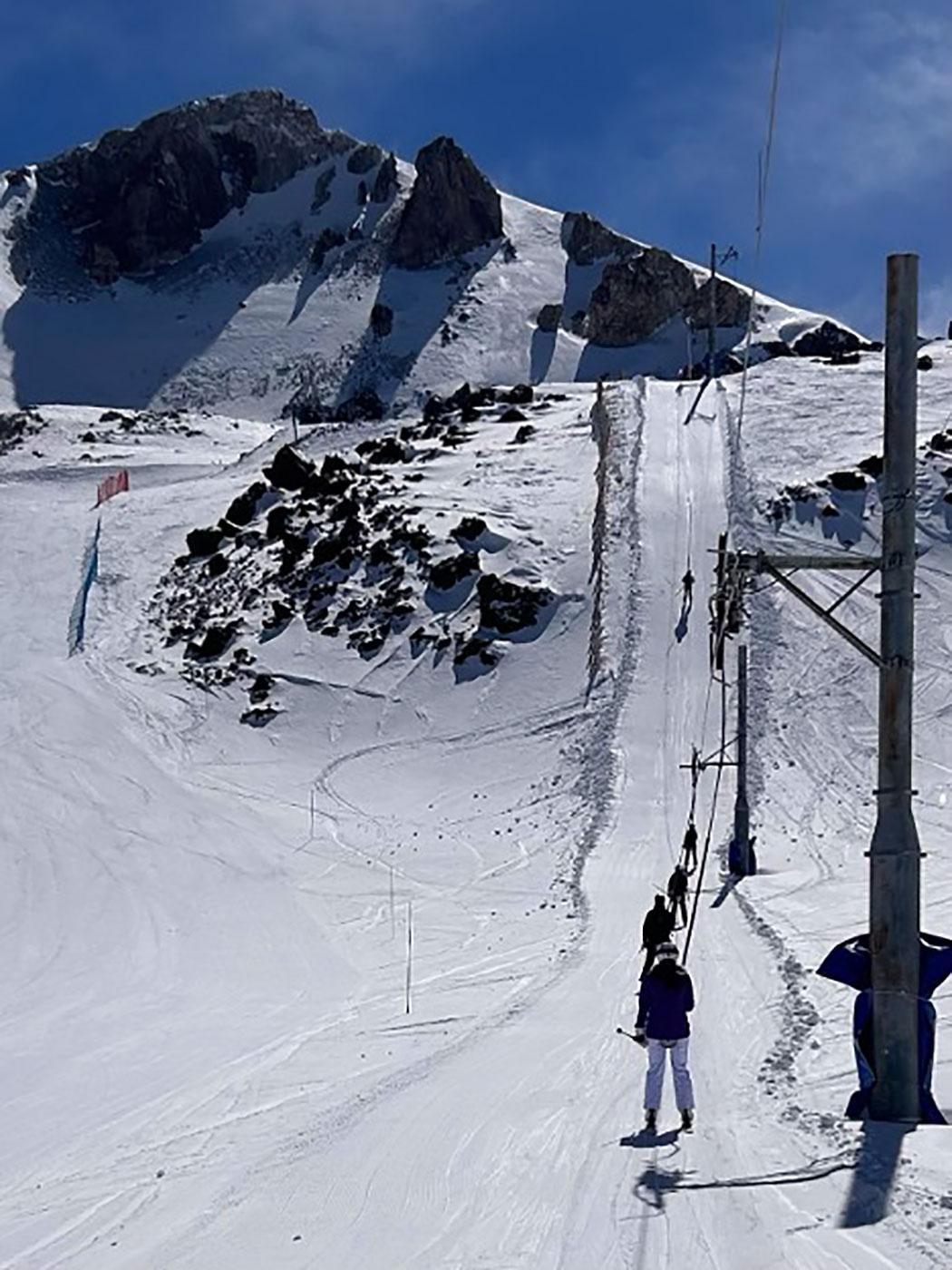
Lift tickets were also a pleasant surprise. I never paid more than about $100 for a day of skiing. Valle Nevado participates in the Ikon Pass, so passholders may already have access depending on their pass and the current rules. After years of watching U.S. window prices climb toward the cost of an airline ticket, skiing a major Andean resort for under $100 felt almost old fashioned.
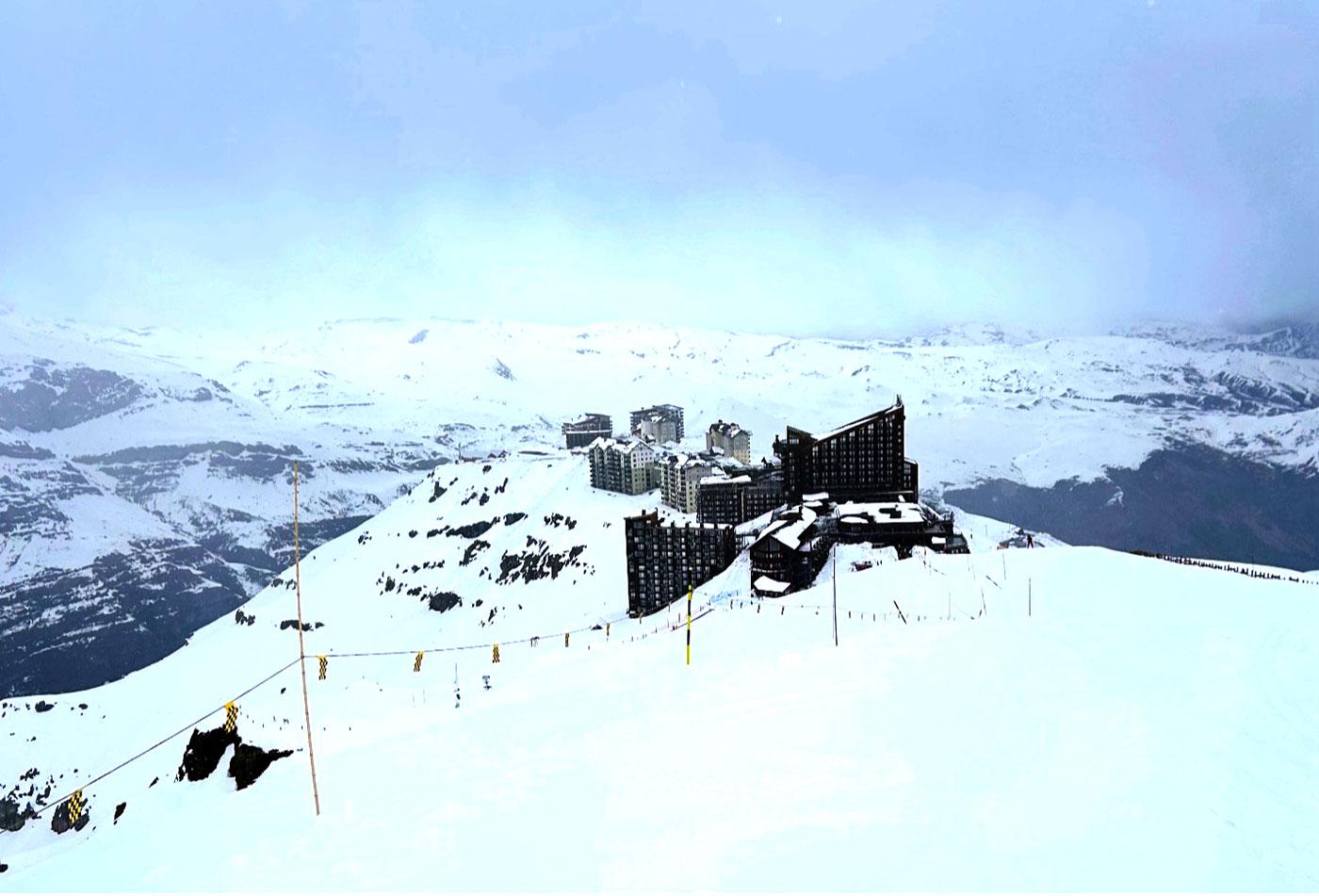
We skied all three Tres Valles resorts, beginning with Valle Nevado, which has the most developed on-snow infrastructure, including a gondola and high-speed quad. Its terrain is well separated, with most beginner runs beneath the gondola and more advanced terrain higher on the mountain served by T-bars. Valle Nevado is also on the Ikon Pass and attracts the most international guests, giving it the feel of a true destination resort.
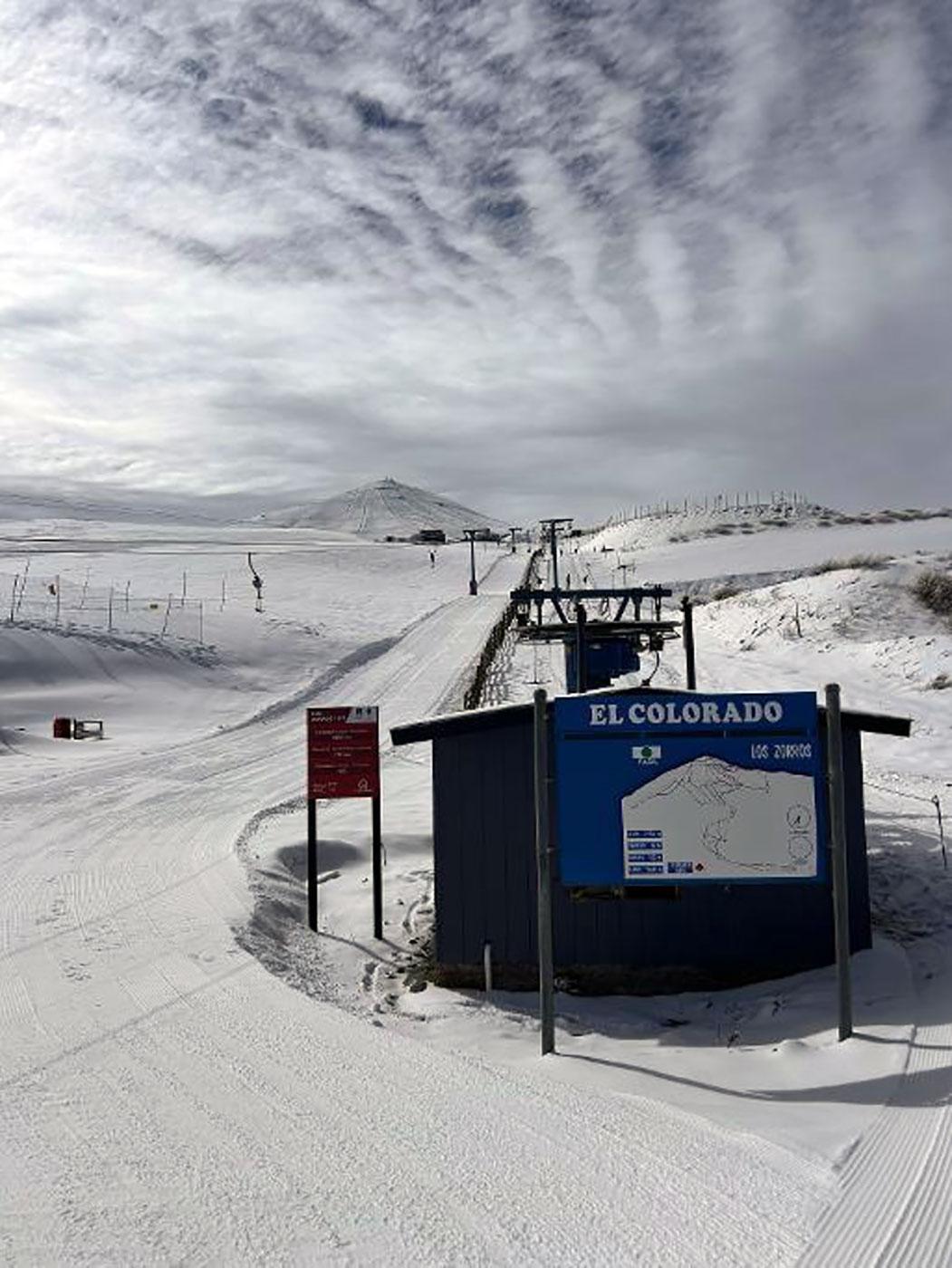
Day two took us to El Colorado, which felt much more local. It has excellent terrain but plenty of slow chairs — and a surprising number of people who were not there to ski. El Colorado sells sightseeing rides so visitors can head up the mountain for snow photos, resulting in Instagram-ing gone crazy.
Mid-mountain restaurants were packed with non-skiers posing — and posing again — for pictures for their winter adventures. Of course, what goes up must come down, so the sightseeing traffic also clogged the chairs. The surface lifts did not have that problem, and we quickly learned to use them almost exclusively while skiing here.
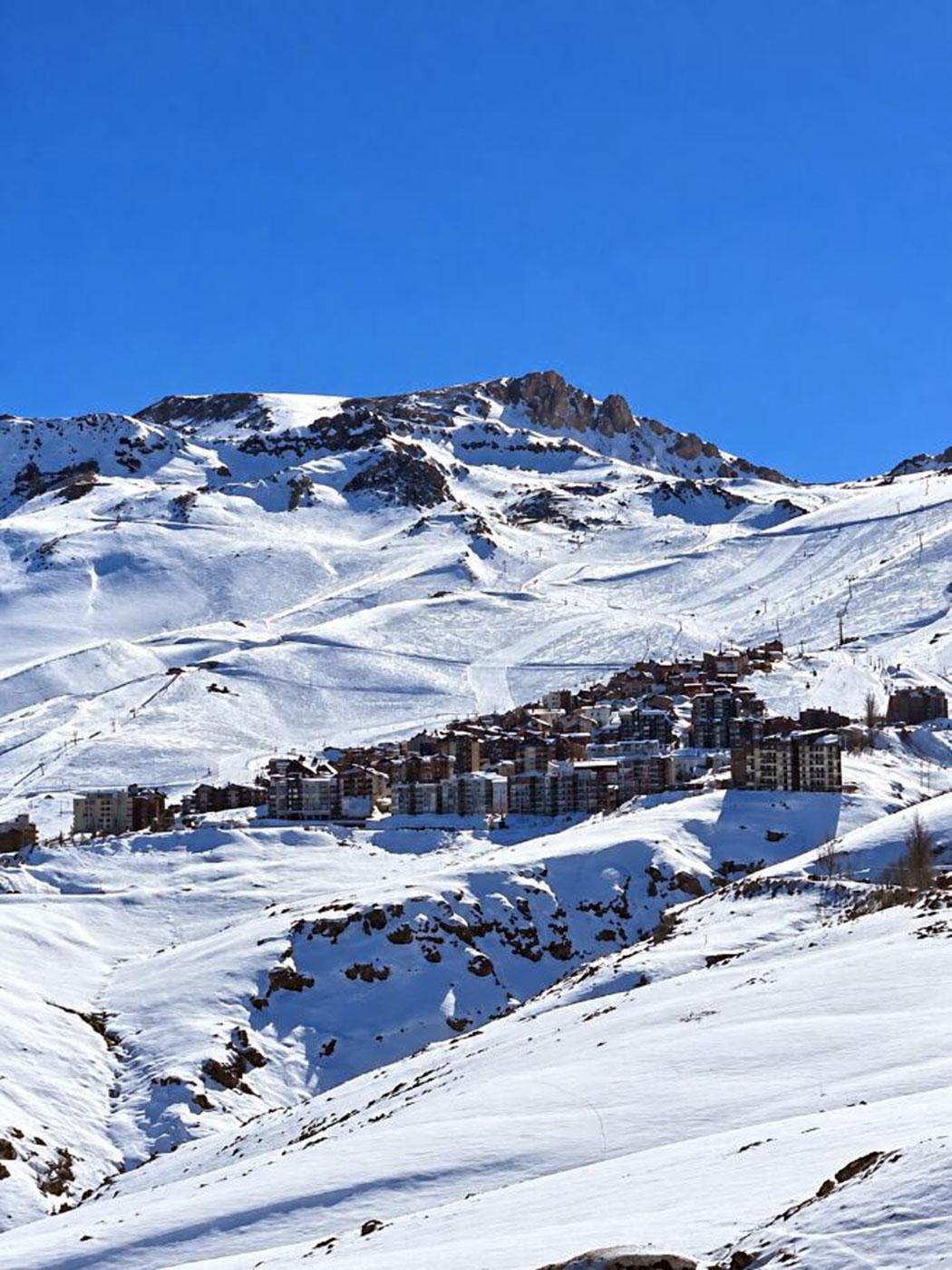
On day three, we skied La Parva and discovered that we had saved the best for last. La Parva is a serious skier’s mountain, with steep terrain and a lift system dominated by surface lifts. You know the skiing is good when you share the slopes with international race teams: we spotted athletes from Great Britain, France, Andorra, and Italy. We also saw the U.S. men’s team at the lodge, but they were busy chatting up the Norwegian women’s team, so we left them to their work.
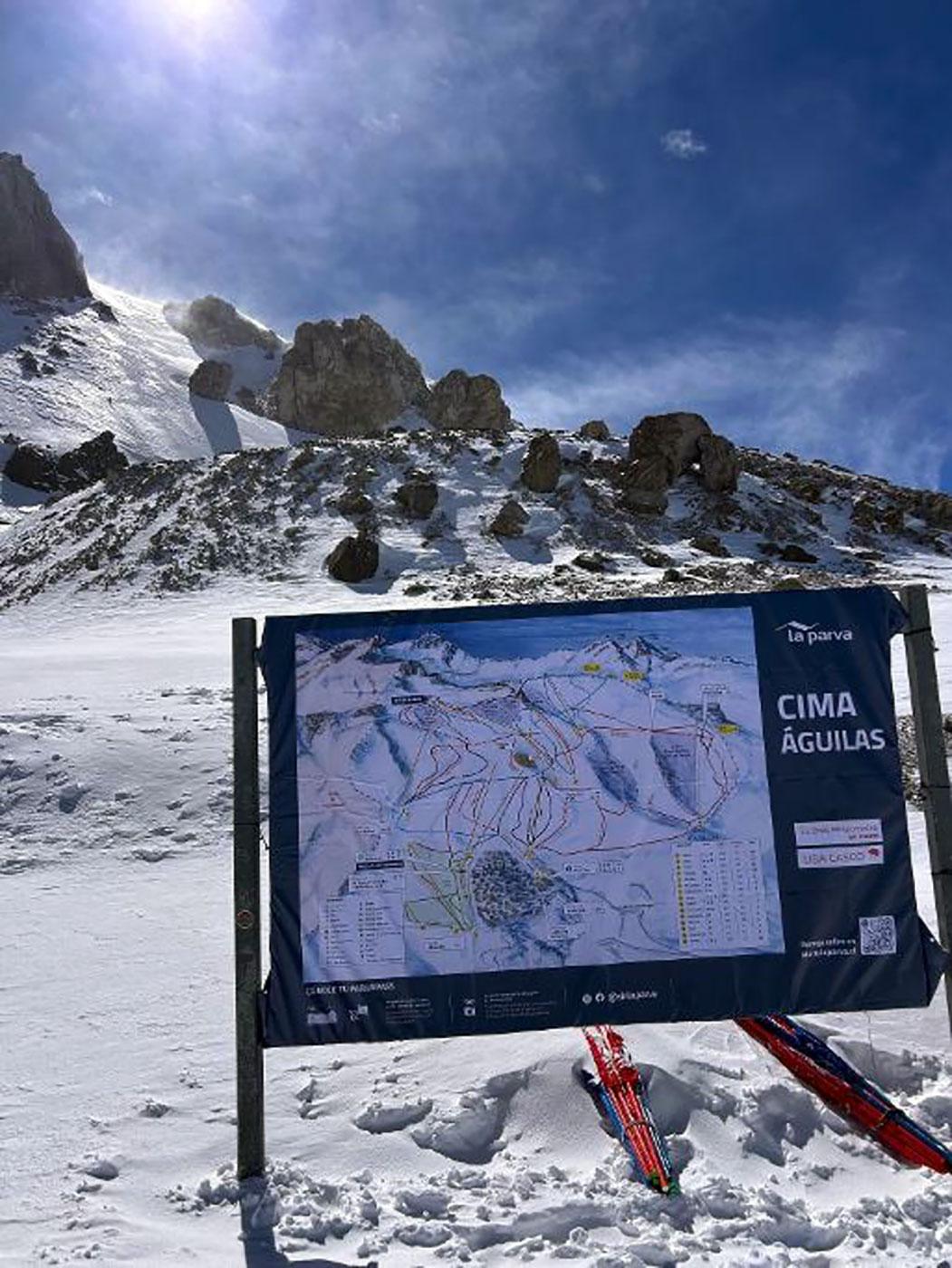
Overall skiing in Chile reminded me a little of skiing in Japan. When the snow is good, it is very good. The mountains are huge, the scenery is spectacular, and everything feels like an adventure. But while some of the skiing is world class, parts of the infrastructure feel like they were left behind from the 1990s.
Most of the lift access is via surface lifts (button tows and t-bars). That is not necessarily a bad thing. In fact, it is part of the charm. You come to Chile to ski the Andes and you get to ski them both up and down!
Do Not Skip Chile Between Ski Days
If you are traveling this far, do not treat Santiago only as a place to sleep between bus rides to the mountains. It is a lively, interesting city and a good base for the trip. I found it safe, welcoming, and accessible even for this Gringo who can only speak about five words of Spanish.
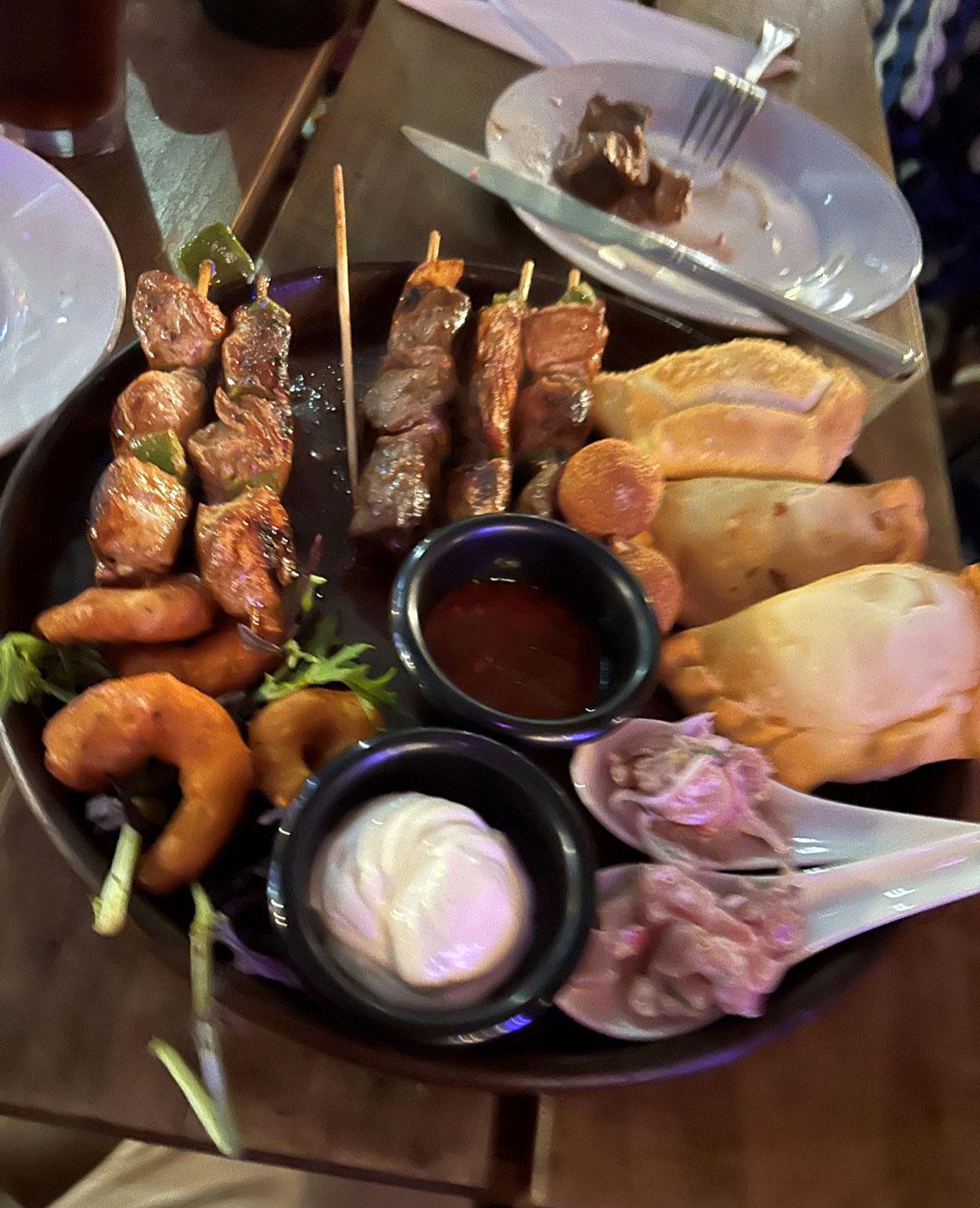
More importantly, Chile offers much more than skiing. Valparaíso, on the Pacific coast, is even more colorful and visually interesting. Its hills, street art, old buildings, and ocean views make it a worthwhile change from the high Andes.
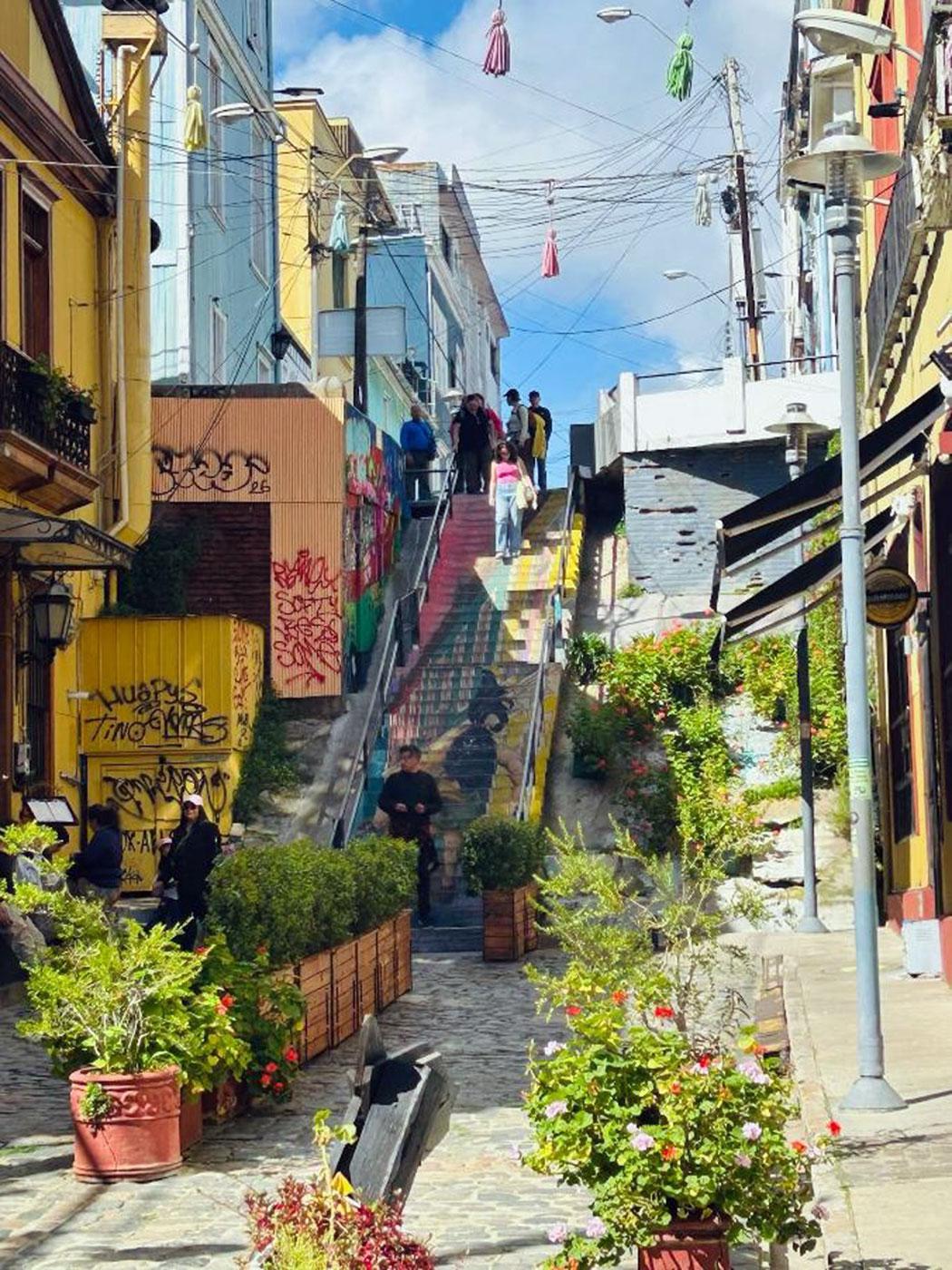
Chile is also famous for its wine, and a day visiting vineyards provides a very civilized recovery session between ski days.
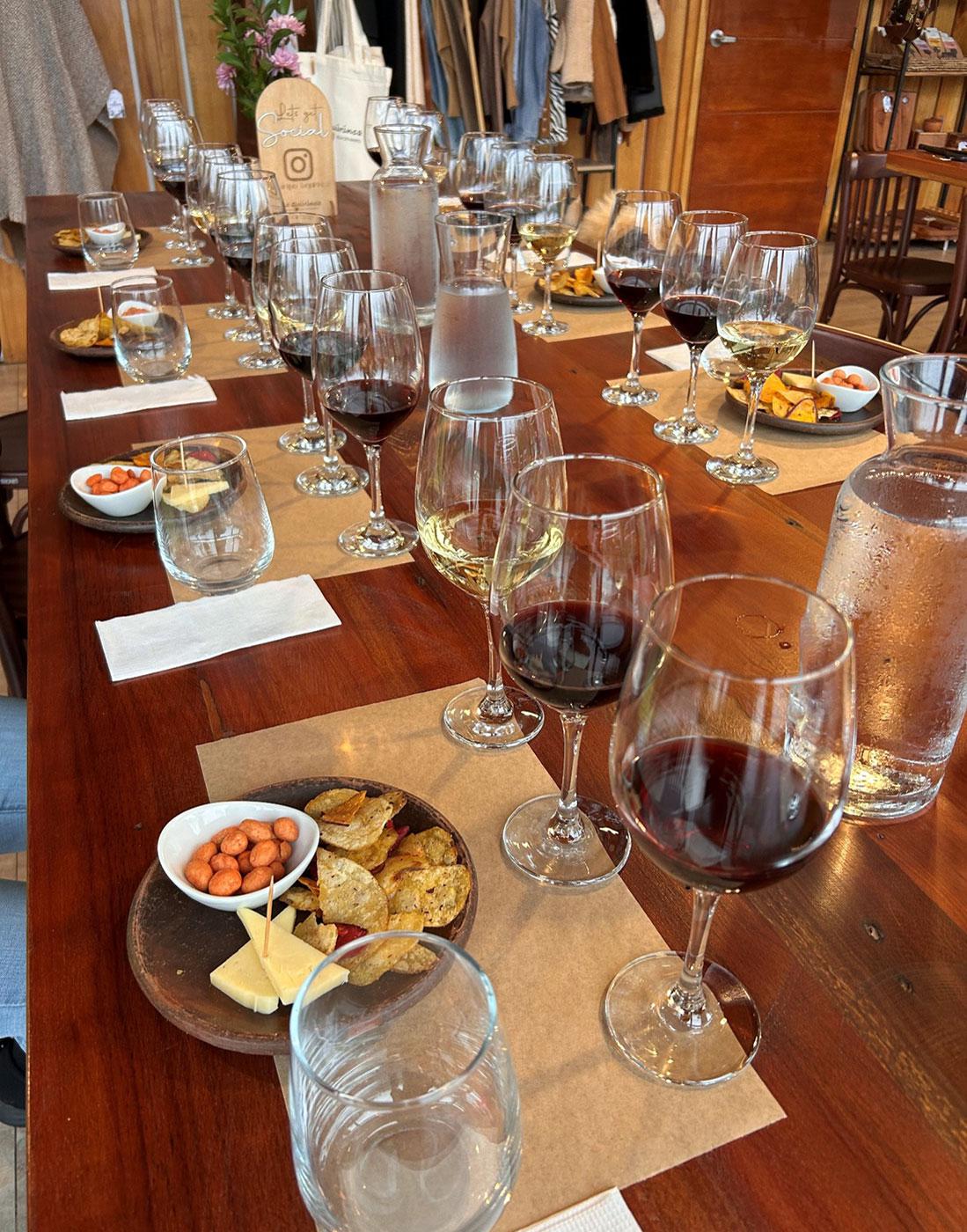
This makes Chile a particularly good destination when not everyone in the group wants to ski every day. One person can chase snow while the other explores Santiago, visits the coast, or samples the wine country. “Our” YouTube-r managed to add paragliding, sand boarding and a side trip to Argentina to his trip. Then everyone can meet again for dinner and compare adventures.
Is Chile Worth It?
Yes — with the right expectations. Skiing Chile is not a seamless resort vacation. Roads close. Buses leave when they leave. Chains, switchbacks, weather, and language can complicate what looks like a short trip from Santiago. The lifts and base facilities may feel dated to skiers accustomed to the North American mega-resorts. But that is also what makes the trip memorable.
When the Andes are white, the sky clears, and you are carving turns in the middle of August, none of those inconveniences seem very important. Chile delivers excellent snow, striking terrain, reasonable ticket prices, a great city, colorful side trips, and some very good wine.
It is different. It can be difficult. It is definitely an adventure.
And it is totally worth it.
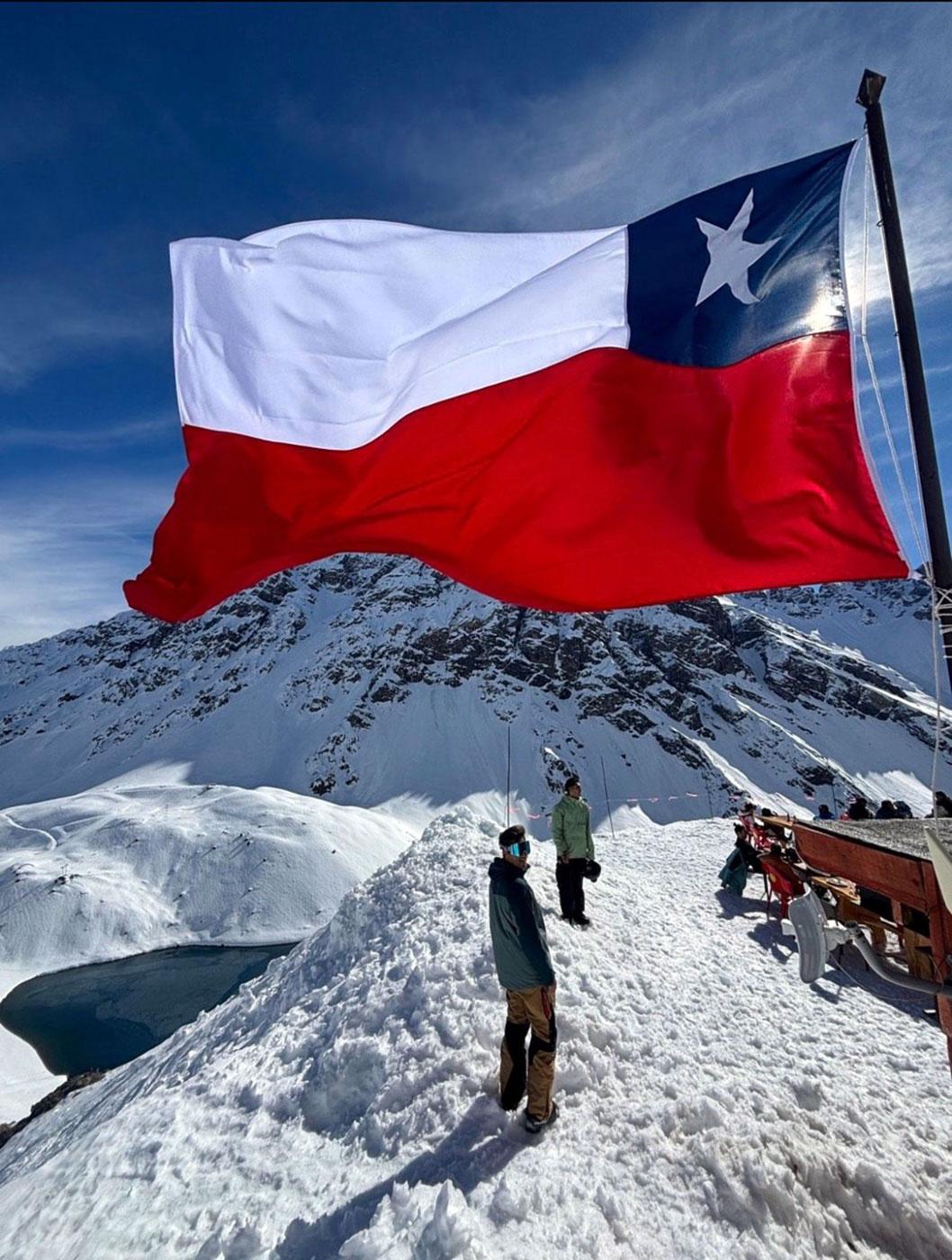
Note: Portillo presents a different access challenge. The resort lies along a different twisting highway toward the Argentine border, and storms can close the road for days. During my visit, the route never reopened in time for my planned ski day. It did open for two days before I arrived, and our YouTuber was able to score a day there. Portillo remains on the list, which is probably the best excuse I can think of to return to Chile.

Reader Comments