
Then the lifts stop.
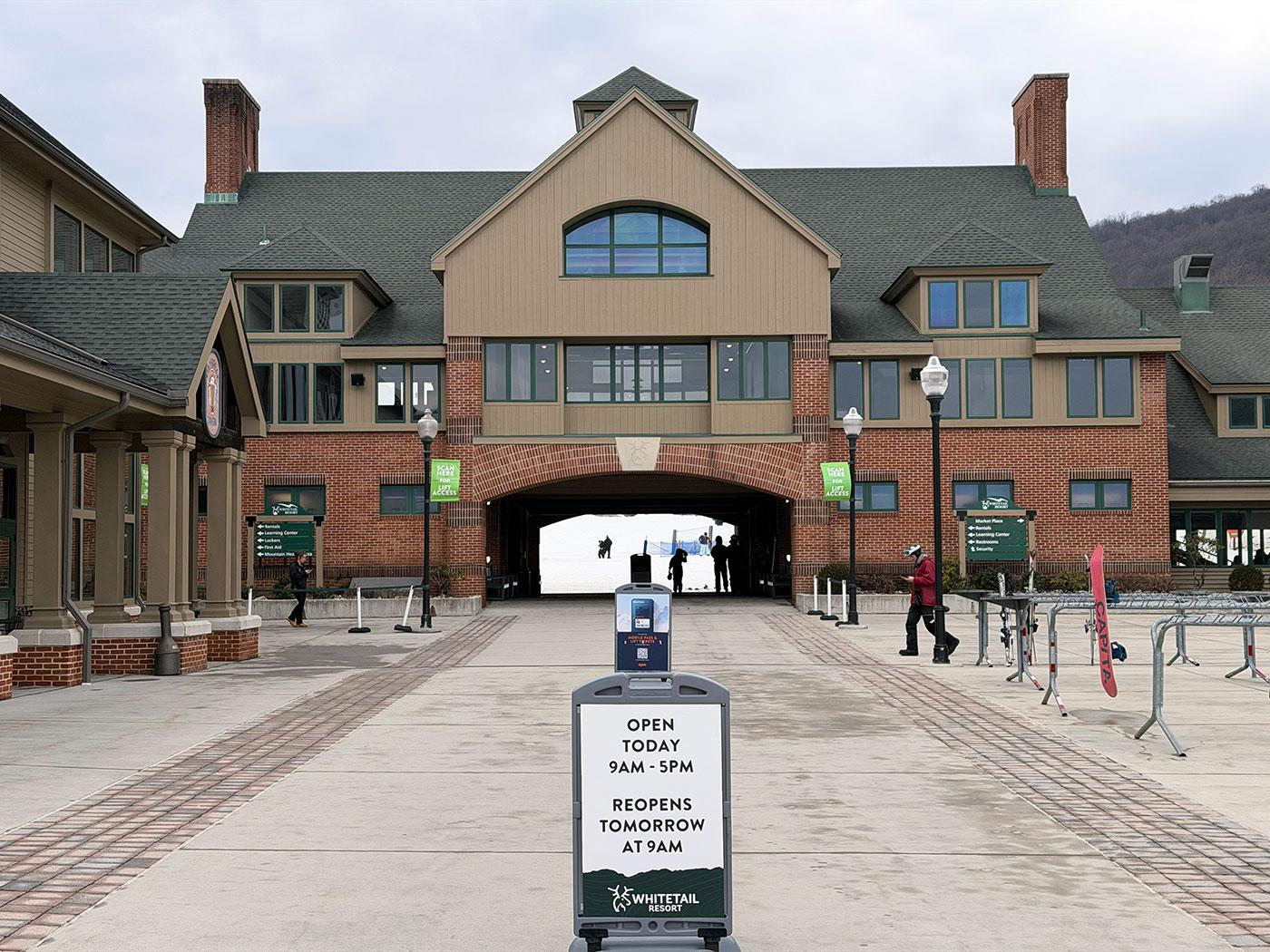
At a ski area such as Pennsylvania’s Whitetail Resort, the transition can feel especially abrupt. Some smaller Mid-Atlantic areas host an occasional festival or offer activities elsewhere on the broader resort property — Whitetail, for example, has a nearby golf course — but activity at the ski mountain itself drops dramatically once winter ends.
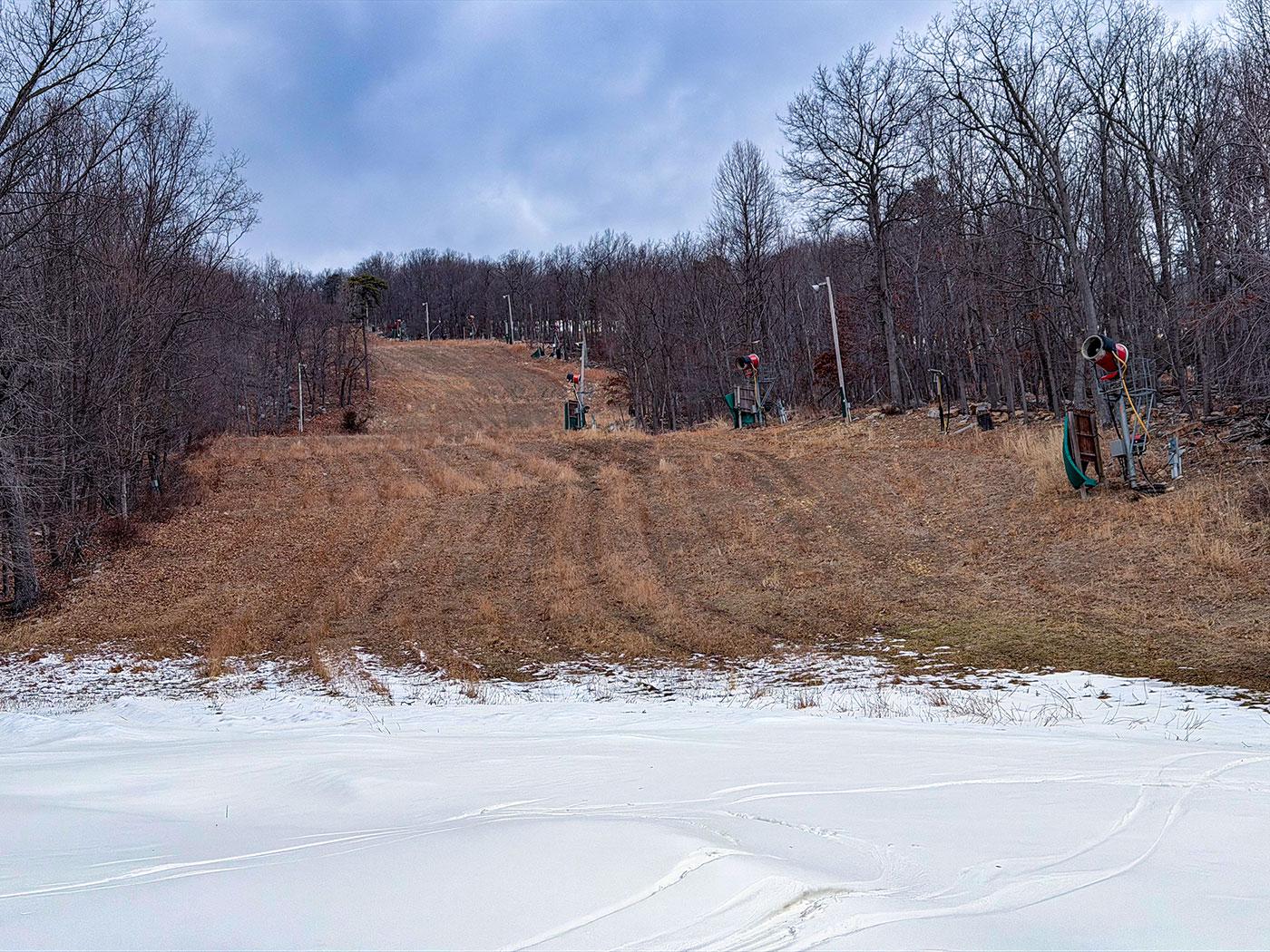
That is a sharp contrast with larger regional destinations such as Snowshoe and Canaan Valley in West Virginia, Seven Springs in Pennsylvania, and Wisp Resort in Maryland, which draw visitors throughout the year with combinations of golf, mountain biking, scenic lift rides, festivals, lodging, and other activities. At the quieter ski areas, the lifts may carry paying guests for only about three months of the year, with an unusually mild winter making the season shorter still.
The parking lots empty. Rental equipment is returned to storage. Cafeterias close, lift mazes disappear, and trails that carried thousands of skiers gradually turn green. From the outside, the entire operation can appear to have gone dormant — like a bear hibernating through summer instead of winter, waiting for cold weather to bring it back to life.
Behind the scenes, however, summer is when a ski area prepares for nearly everything that will happen during its brief window of operation.
Closing Down Winter
The offseason begins with the methodical process of putting winter away.
Rental skis and snowboards must be inspected, repaired, inventoried, and stored; often entire batches are swapped out for new ones. Portable snow guns are removed from the slopes or repositioned. Padding, fencing, signs, terrain-park features, and other equipment are collected. Vehicles that have spent the winter pushing snow or traveling across the mountain undergo maintenance. Buildings are cleaned and evaluated for repairs.
Temporary and seasonal employees depart, leaving behind a much smaller year-round staff. During the winter, a ski area might depend on hundreds of people working in lift operations, food service, rentals, instruction, snowmaking, grooming, guest services, and ski patrol. By summer, the number of employees regularly on the property may shrink dramatically.
The smaller crew inherits a long list of projects and a firm deadline. Regardless of how much work remains, the mountain needs to be ready when temperatures finally fall low enough to make snow. Only Mother Nature can delay the arrival of winter.
Maintaining the Lifts
Chairlifts spend the winter in nearly constant motion, but their quieter months are hardly a vacation.
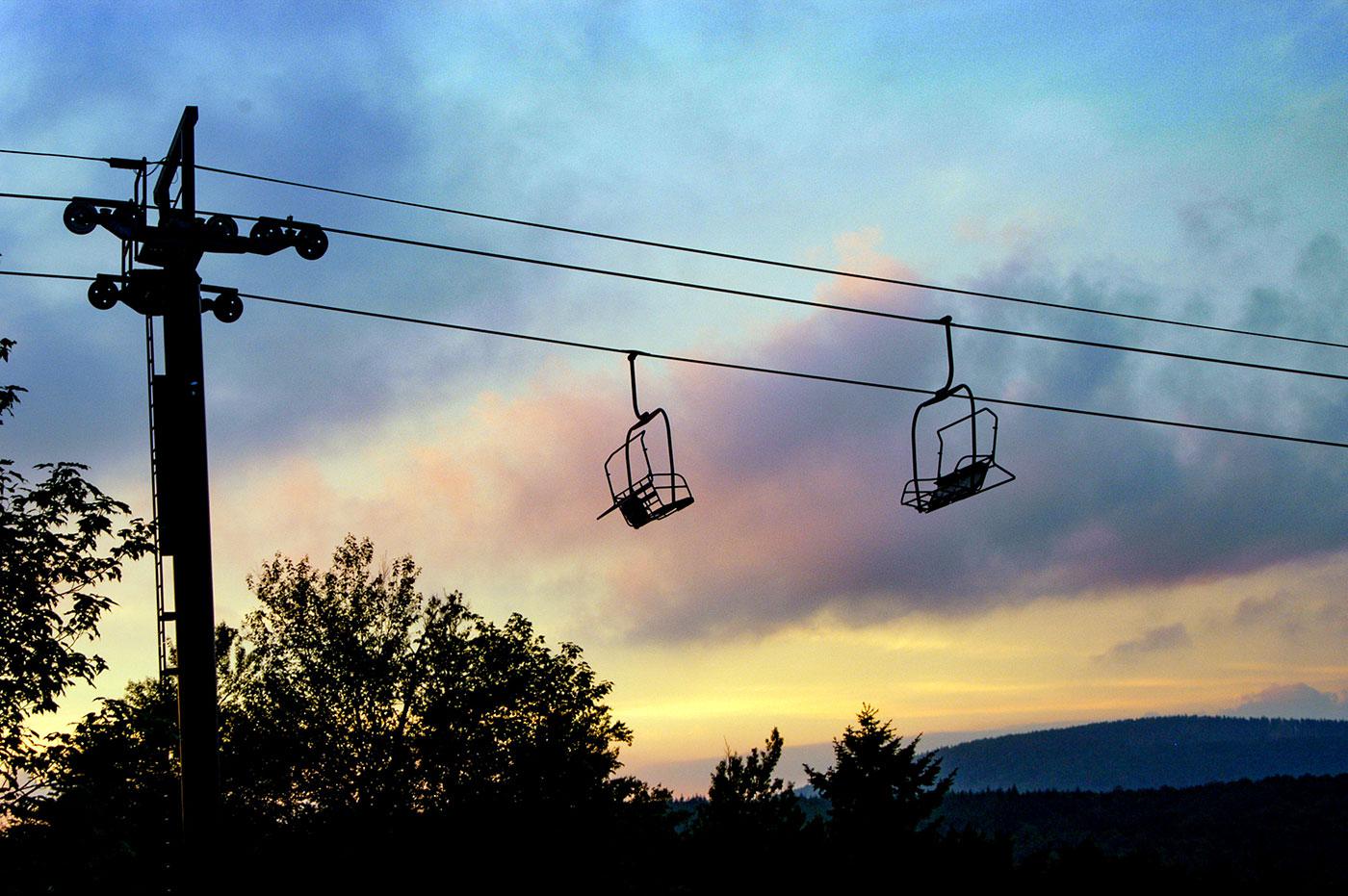
Lift maintenance is one of the most important parts of offseason work. Crews inspect mechanical components, electrical systems, towers, sheaves, grips, brakes, cables, and safety devices. Parts showing wear may be repaired or replaced. Chairs can be removed from the haul rope for closer inspection, while bearings and other moving components are serviced according to manufacturer requirements and regulatory schedules.
In some cases, when the budget permits, entire lifts are replaced—a major construction project that can consume much of the offseason. Long before the new lift begins to take shape, engineers survey the alignment, evaluate the terrain, study soil conditions, and determine the precise locations of terminals and towers. Crews remove the old equipment, excavate sites for new foundations, install reinforcing steel, and pour massive concrete footers capable of supporting the towers and machinery.
New components must then be transported up the mountain, sometimes across steep terrain with limited road access. Cranes or helicopters may be used to place towers, followed by the installation and splicing of the haul rope, electrical work, control systems, communications equipment, and safety devices. Once construction is complete, the lift undergoes extensive testing, load testing, inspection, and regulatory approval before it can carry its first passengers and before the first flake of snow arrives.
Some work occurs routinely every year. Other inspections and major maintenance projects are conducted at longer intervals. State regulators and insurance requirements also play a role in determining what must be examined, tested, and documented before passengers can be carried again.
A chairlift can look remarkably simple from the trail below: a cable, a line of towers, and a collection of chairs moving in a continuous loop. In reality, it is a complex transportation system exposed year-round to cold, heat, moisture, wind, and changing loads. Summer gives maintenance teams the time to reach components that would be difficult to address during daily winter operations.
Rebuilding the Snowmaking System
For most Mid-Atlantic ski areas, snowmaking determines whether there will be a season at all, so it’s absolutely critical that each resort’s snowmaking system is in great condition so it’s ready to fire up the second temperatures drop. Natural snow can improve conditions and occasionally transform the region’s mountains, but it is too inconsistent to support regular operations on its own.
A resort’s snowmaking system stretches across the mountain in a network of pumps, pipes, valves, hydrants, electrical connections, compressors, hoses, and snow guns. Much of that infrastructure operates under enormous pressure during winter. When a cold window arrives, the system may run continuously for days as crews race to cover enough terrain to open — or rebuild trails following an all-too-frequent thaw.
That intensity takes a toll.
During the summer, leaks can be located and repaired. Valves and hydrants are rebuilt. Pumps are serviced. Aging sections of pipe may be replaced, and snow guns are inspected for damaged components. Crews test equipment that needs to work immediately when favorable temperatures arrive.
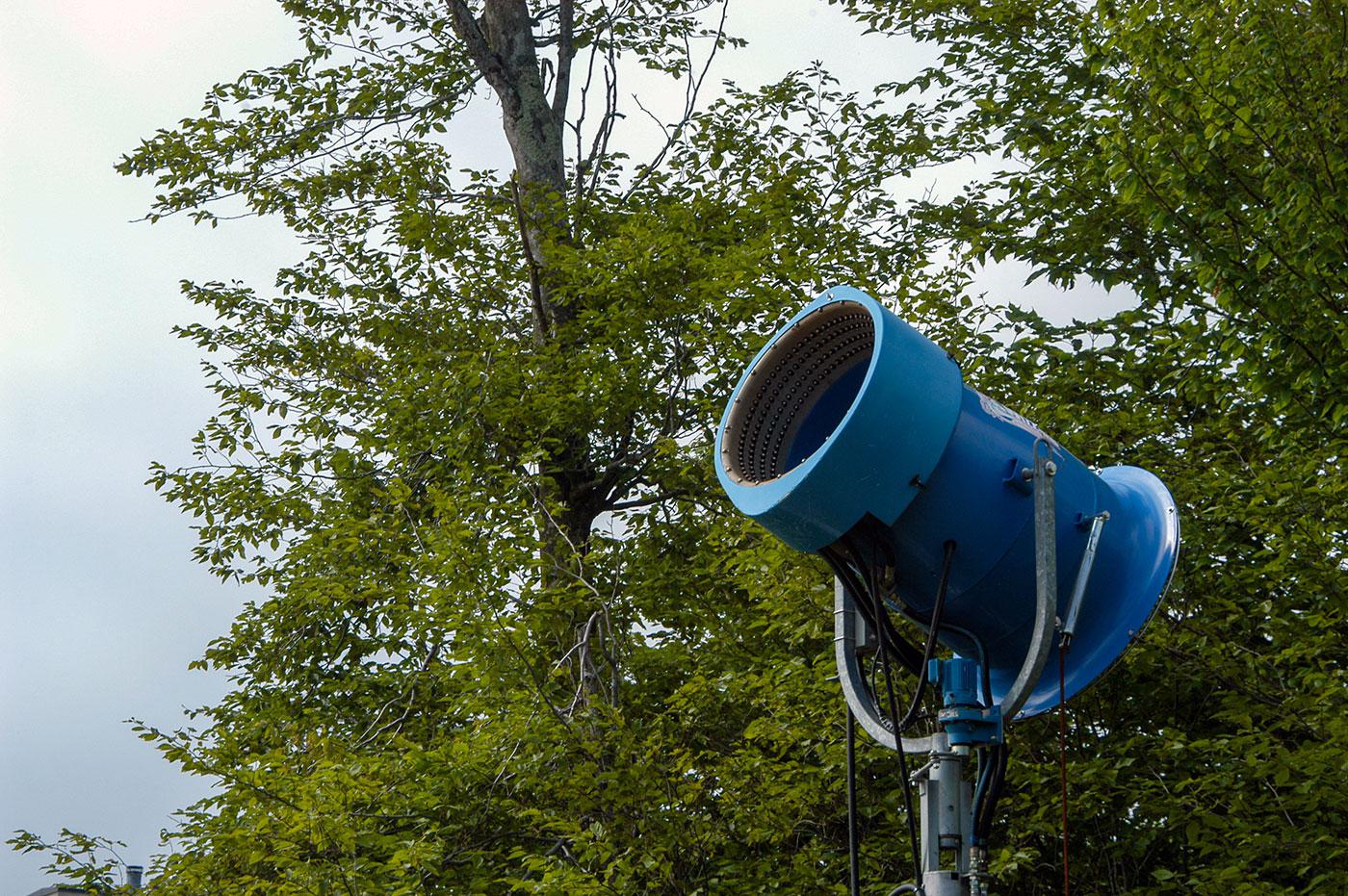
This is also when many resorts make larger improvements, and Mid-Atlantic resorts have made substantial improvements over the past decade. A new line might be installed along a trail that has traditionally been difficult to cover. Manual equipment may be replaced with automated snow guns capable of responding quickly to changing conditions. Pumping capacity can be increased, or electrical and control systems upgraded.
These projects are especially important in the Mid-Atlantic, where snowmaking opportunities can be brief. A resort cannot afford to spend the first hours of a cold front discovering that a valve has failed or a pump is not operating correctly. The goal is to move as much water as conditions allow from the moment temperatures become favorable.
Taking Care of the Trails
Without snow, the underlying character of a ski trail becomes much easier to see.
Summer exposes rocks, ruts, drainage problems, erosion, and uneven terrain that may complicate snowmaking and grooming. Crews mow trails and clear brush that has encroached from the edges. Fallen trees are removed, culverts cleaned, and areas damaged by runoff repaired. Grass may be planted to stabilize bare soil.
A smooth, well-maintained trail surface requires less snow to cover. Rocks, tall vegetation, and deep drainage channels all demand a thicker base before grooming equipment can travel safely across them. Improving the ground beneath the snow can therefore help a resort open terrain sooner and use its snowmaking resources more efficiently.
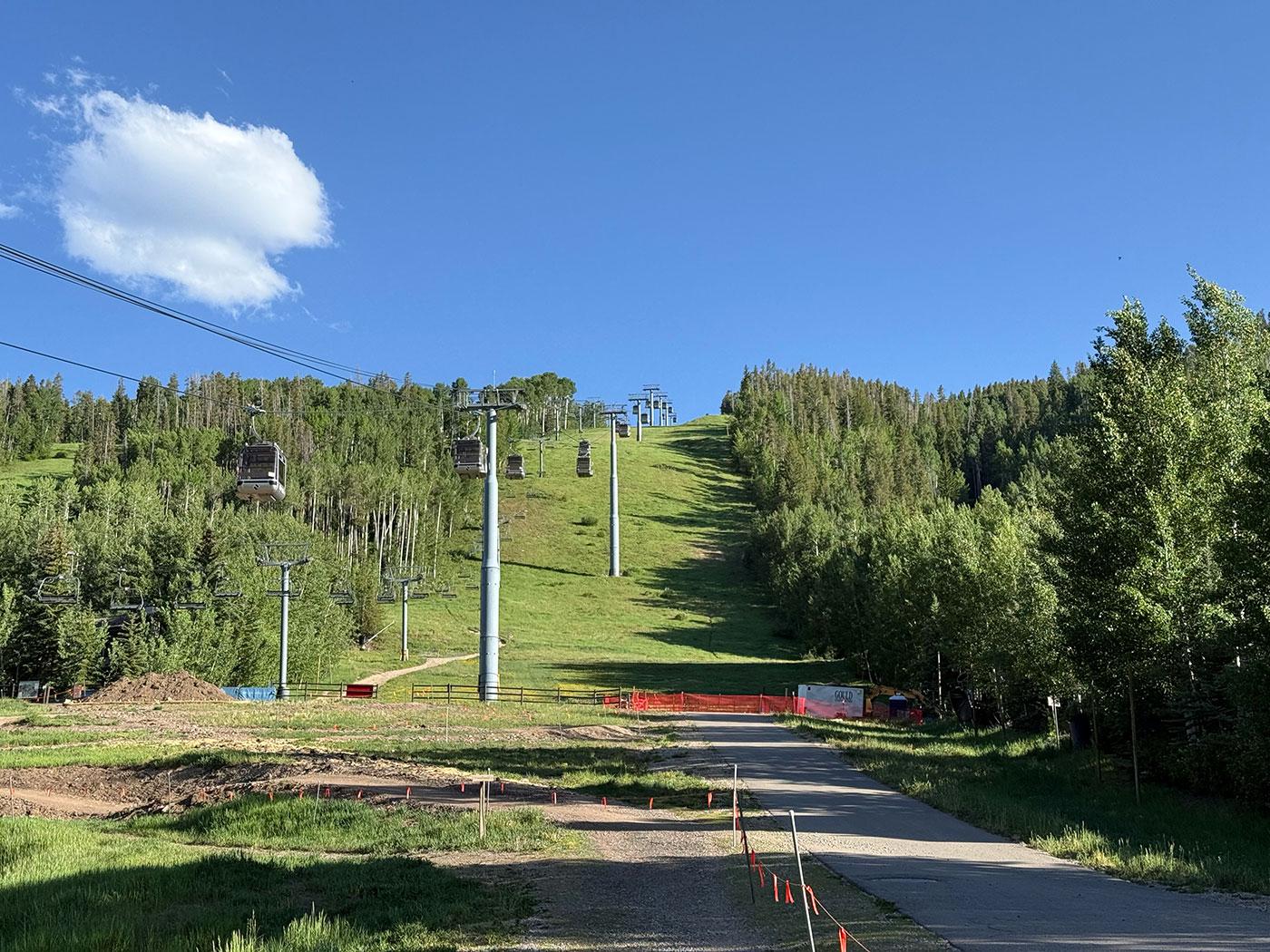
Water management is a major part of that work. Ski trails frequently run straight down a mountain, giving heavy rain an easy path to follow. Without proper drainage, water can carve channels into the slope, wash away soil, and damage roads or snowmaking infrastructure. Ditches, water bars, culverts, and retention systems help direct runoff toward places where it can be managed.
This work receives little attention from skiers, who may never see the surface beneath a smoothly-groomed trail. Yet a modest excavation or drainage project completed in July can make a noticeable difference once snowmaking begins.
Preparing the Buildings and Equipment
The base area also needs attention after enduring another winter.
Roofs, siding, decks, walkways, kitchens, restrooms, rental shops, and dining areas are inspected and repaired. Painting and construction projects are easier to complete when the buildings are empty. Resorts may replace carpeting, update signs, renovate food-service areas, or reconfigure spaces to improve the flow of guests during busy weekends.
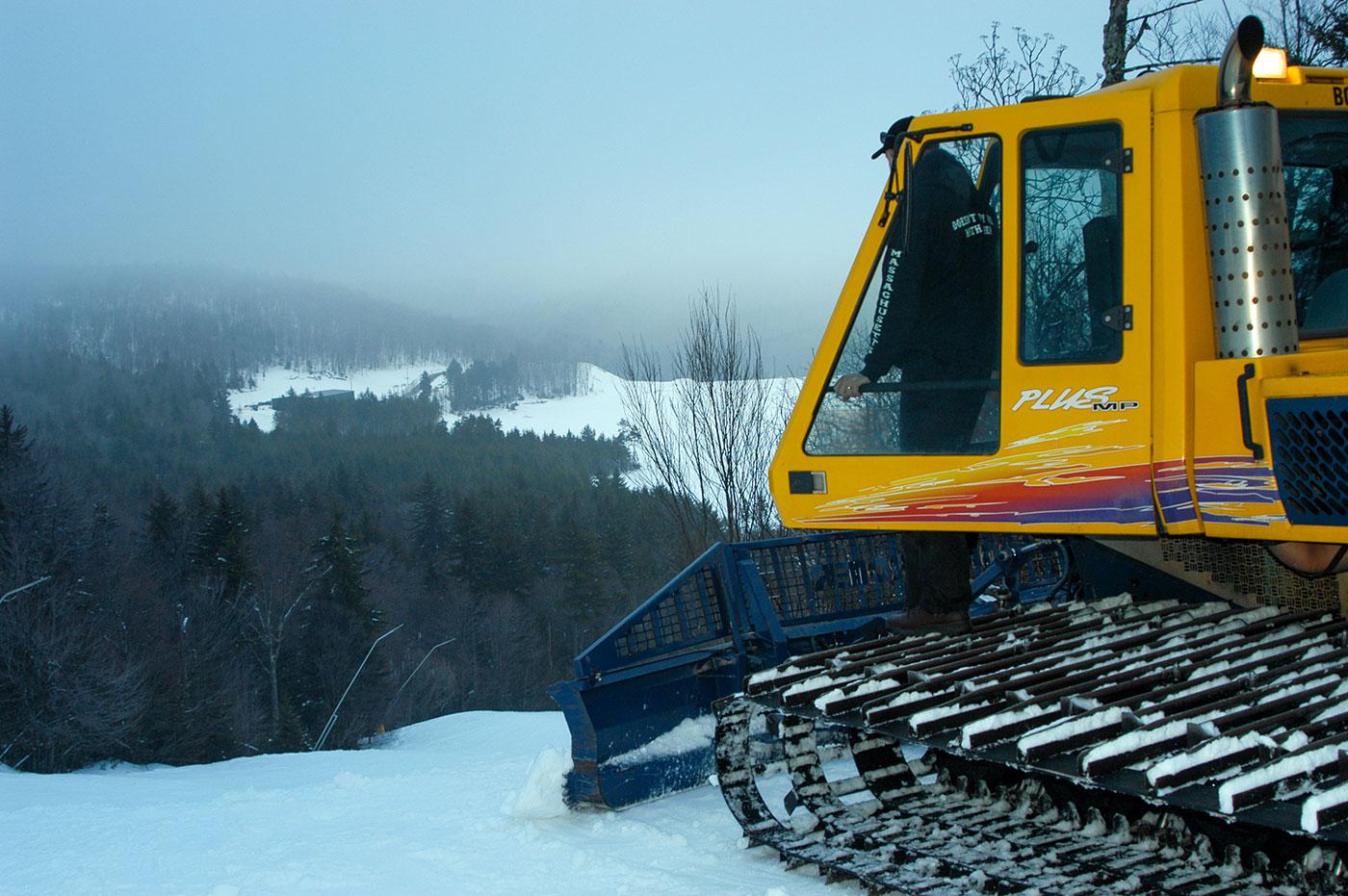
Snowcats and other vehicles receive extensive maintenance. Grooming machines operate long hours in difficult conditions, often climbing steep terrain while pushing or tilling dense machine-made snow. Summer provides an opportunity to inspect engines, hydraulics, tracks, tillers, blades, and electronic systems. Snowmobiles, utility vehicles, tractors, and trucks require their own maintenance schedules.
Even seemingly minor equipment must be counted and evaluated. Radios, tools, helmets, rental boots, trail signs, fencing, and hundreds of pieces of padding all need to be ready before opening day. A ski area is effectively a small, temporary city that must be reassembled each winter.
Planning a Season that has No Firm Beginning
One of the peculiar challenges of running a Mid-Atlantic ski area is that opening day cannot be predicted with certainty.
Resorts can select a target date, hire employees, arrange deliveries, begin selling passes, and prepare their buildings. None of those steps can guarantee cold weather. Snowmaking might begin in November during an early cold snap, or crews might wait deep into December for temperatures that remain favorable long enough to build a base. Frustratingly, in the Mid-Atlantic, a two-day stretch of sub-freezing temperatures near the start of the season might be followed by a week of short sleeve weather, making it a logistical challenge to determine when to fire up the snowguns.
That uncertainty affects nearly every part of the operation. Managers must recruit and train seasonal workers without knowing exactly when they will be needed. Food and retail inventory must be ordered. Ski instructors and patrollers must complete preseason training. Lift crews need to practice operating procedures and evacuation plans. Computer systems, ticket scanners, radios, and communications networks all require testing.
Meanwhile, marketing teams begin speaking publicly about winter while summer temperatures may still be climbing. Season passes are promoted, photographs from previous winters return to social media, and announcements about improvements offer the first hints of what guests will find when they come back.
By early fall, the pace accelerates. Grass is cut for the final time, snow guns are moved into position, and hoses begin appearing along the trails. Chairs are placed back on lift cables if they were removed for maintenance. Buildings that sat quiet for months begin to show signs of activity.
Then the most time-honored tradition begins: everyone — you, me, and ski resort personnel alike — begins watching the forecast with bated breath, waiting for a sustained stretch of snowmaking temperatures to herald the start of our all-too-brief season.
A Year’s Work for a Short Season
Skiers often measure a winter by the number of days the lifts turn. For a smaller Mid-Atlantic area, a successful season might extend from December into March. A difficult one can be interrupted by long thaws, rain, or delayed openings. Either way, the public-facing portion of the operation represents only a fraction of the year.
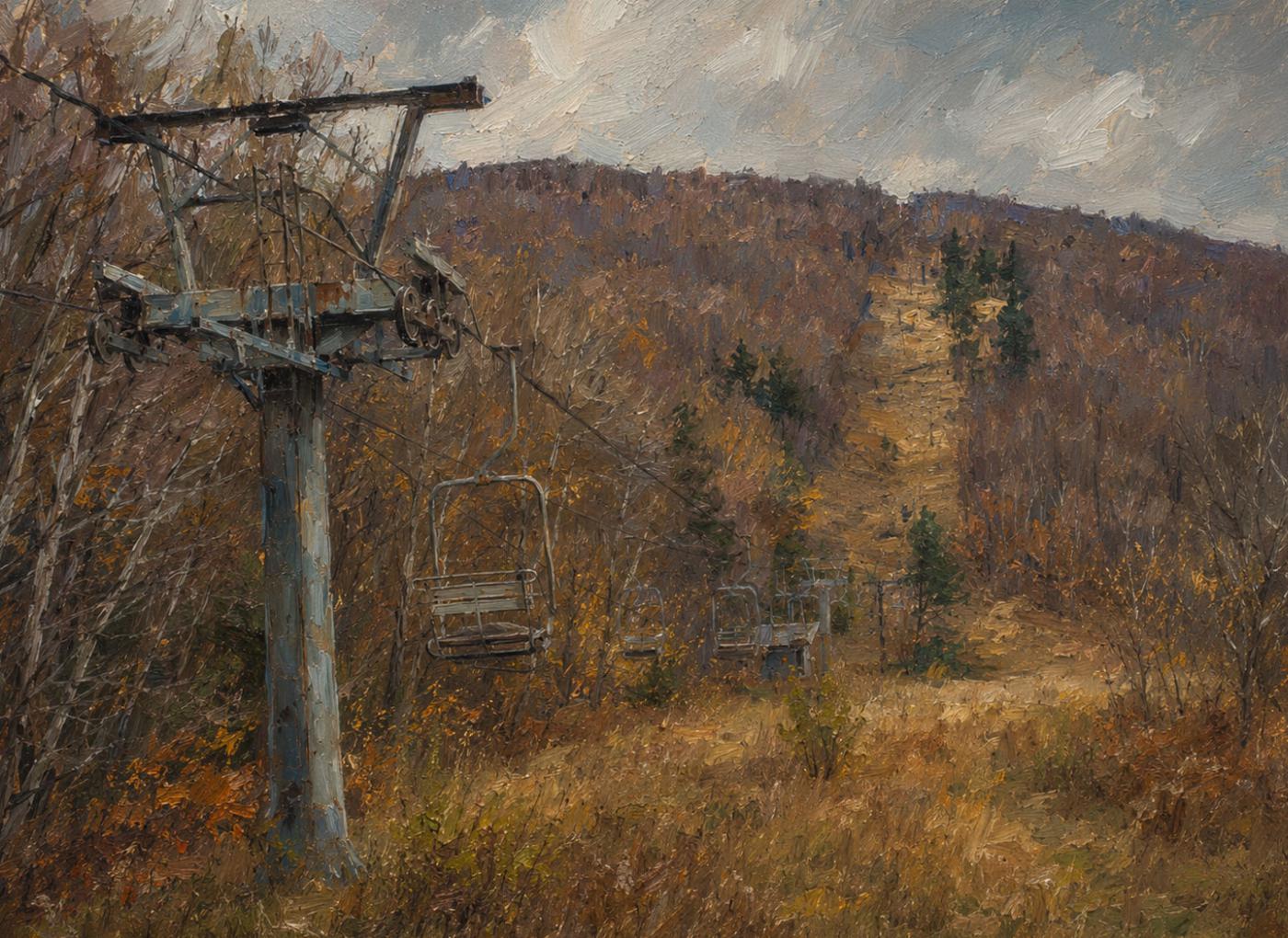
The contrast is striking on a hot summer afternoon. Empty chairs hang motionless above green slopes. No music drifts from the base lodge. The lift lines, skiers, and snowboarders are gone, and no snow guns roar along the trails. The mountain appears to be waiting.
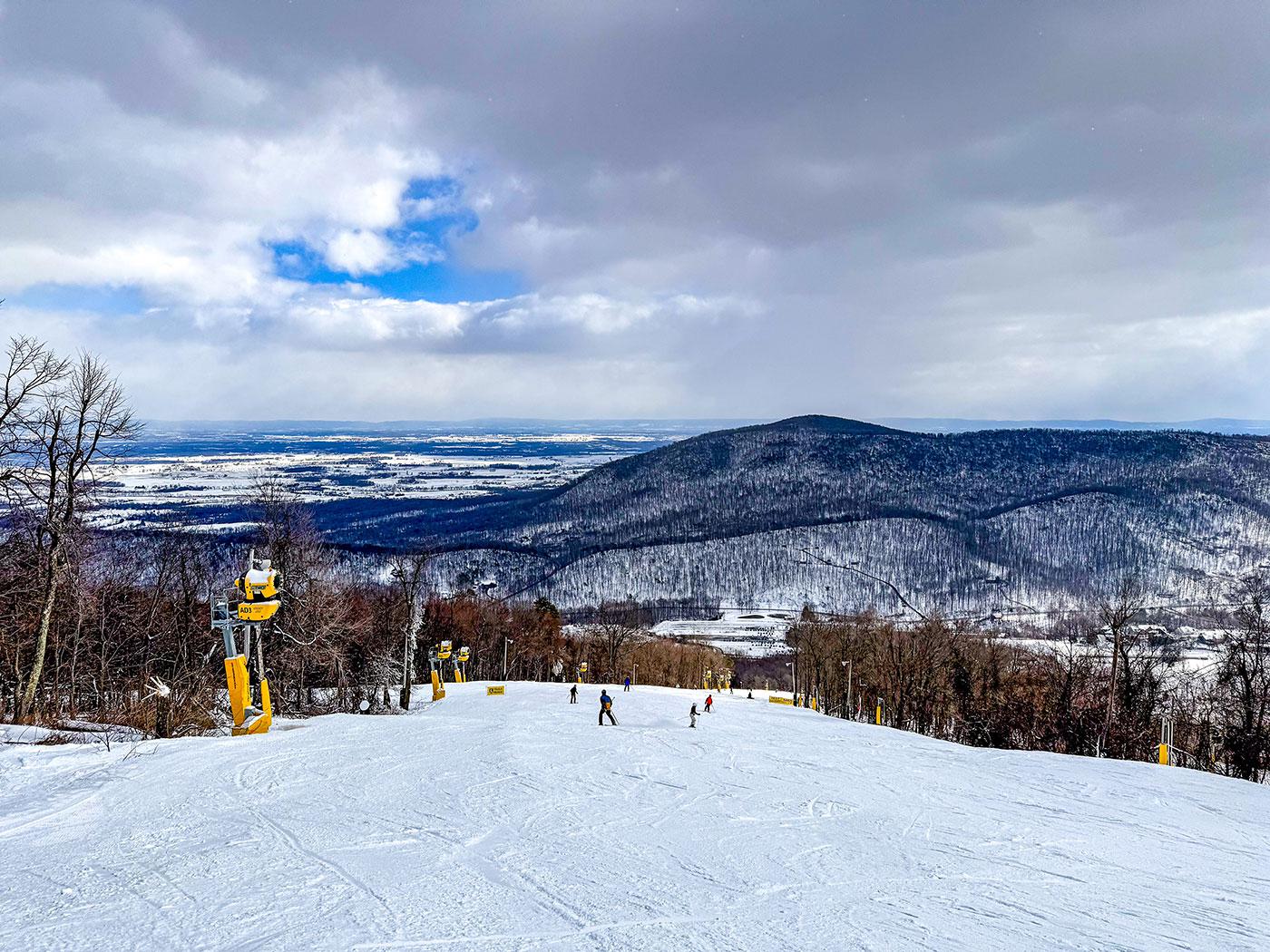
For the crews working behind locked doors, inside lift terminals, along buried pipelines, and across sun-baked trails, winter has never completely ended. They are already building the next one.



Reader Comments