
The National Weather Service’s Climate Prediction Center has been analyzing seasonally-averaged sea surface temperature data and has determined that a Pacific basin warm episode - affectionately known as El Nino - has now developed. The Climate Prediction Center uses various models that analyze anomalies in sub-surface temperatures throughout the central and east-central Pacific ocean.
Subtle temperature variations halfway across the globe can have a profound effect on worldwide climates, and El Nino is expected to once again impact the weather in the Mid-Atlantic region this winter. At this point, the ultimate impact on the skiing season is anyone’s guess.
El Nino last struck during the 1997-98 winter season, and the weather phenomenon was not kind to most resorts in the Mid-Atlantic. Milder temperatures, coupled with rain, kept slopes brown for much of the season. However, some resorts - such as Snowshoe Mountain Resort - had the right geography to buck the trend and attract snow.
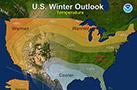
Historically, El Nino tends to fluctuate both temperatures and precipitation from their average norms. The direction of the fluctuation is based largely on geographic location. For example, the 102-year average temperature for south-central Pennsylvania during the months of November and December is 35.5 degrees Fahrenheit. During El Nino years, the average temperature rises 2.1 degrees to 37.6 degrees. Local skiers know what a difference a couple degrees can make - most area resorts spend the winter on the borderline between acceptable and non-acceptable snowmaking conditions.
What about precipitation? In south-central PA, the 102-average precipitation between January and March is 9.04 inches. During El Nino years, the average falls to 7.62 inches. Thus, historically, El Nino raises temperatures and decreases precipitation in south-central PA. This pattern is repeated throughout the Mid-Atlantic region.
In other parts of the country, El Nino can stack the cards in skiers’ favor. For example, average precipitation in the mountains of Colorado increases during El Nino years.
El Nino is not looked upon with anticipation by local resorts, but it is impossible to predict what impact it will have on the quality and quantity of snow on the slopes this winter. The higher average temperatures might reduce snowmaking opportunities, but the lower average precipitation might help by reducing the chance of rain. On the other hand, averages are just averages, and can have a range of values. And predictions are just predictions. It’s entirely possible this winter could be cold and snowy, even with El Nino lingering in the background.



Reader Comments