
| Vertical drop: | 1,500 feet |
| Base elevation: | 3,348 feet |
| Peak elevation: | 4,848 feet |
| Skiable acres: | 270 |
| Longest run: | 1.5 miles |
| Trails: | 60 |
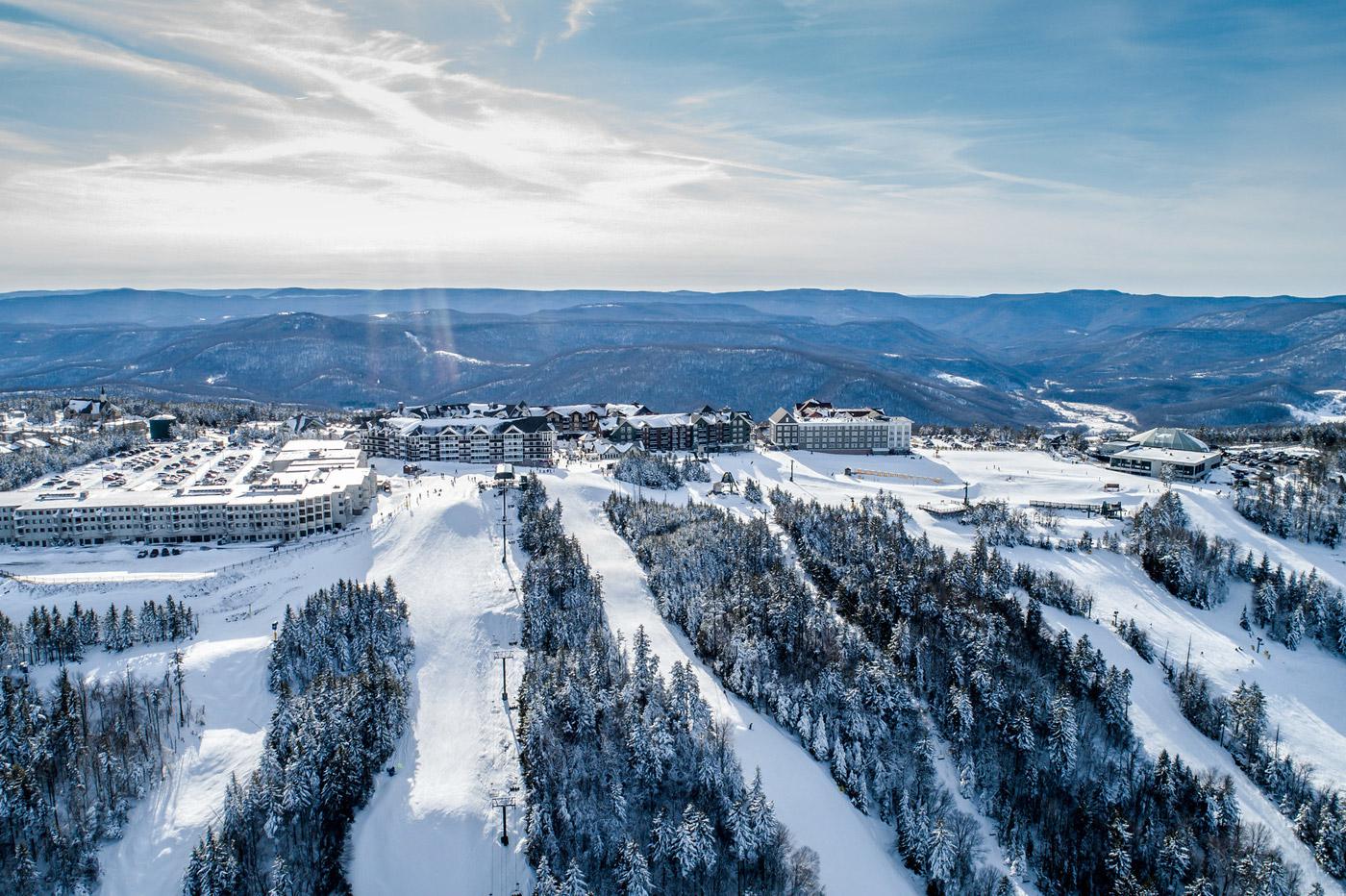
Snowshoe Mountain Resort is located in the middle of West Virginia. Despite its southern location, Snowshoe receives an eye-raising average annual snowfall of 180 inches. To that, Snowshoe adds plenty of manmade snow. Snowshoe is a year-round destination resort, offering numerous lodging options, from economical to upscale. Snowshoe is also one of the few “inverted” ski resorts in the U.S.: the base facilities are located on the top of the mountain. In the summer, Snowshoe offers a range of recreational opportunities including mountain biking.
Snowshoe offers some of the best skiing south of New England and even a suprising amount of nightlife for its secluded location in the mountains of West Virginia. That seclusion makes Snowshoe somewhat difficult to get to - it is approximately a 5-6 hour drive from Washington, D.C. Those willing to make the trek are rewarded with beautiful scenery, great snow conditions, and 60 trails spread over a 1,500-foot vertical.
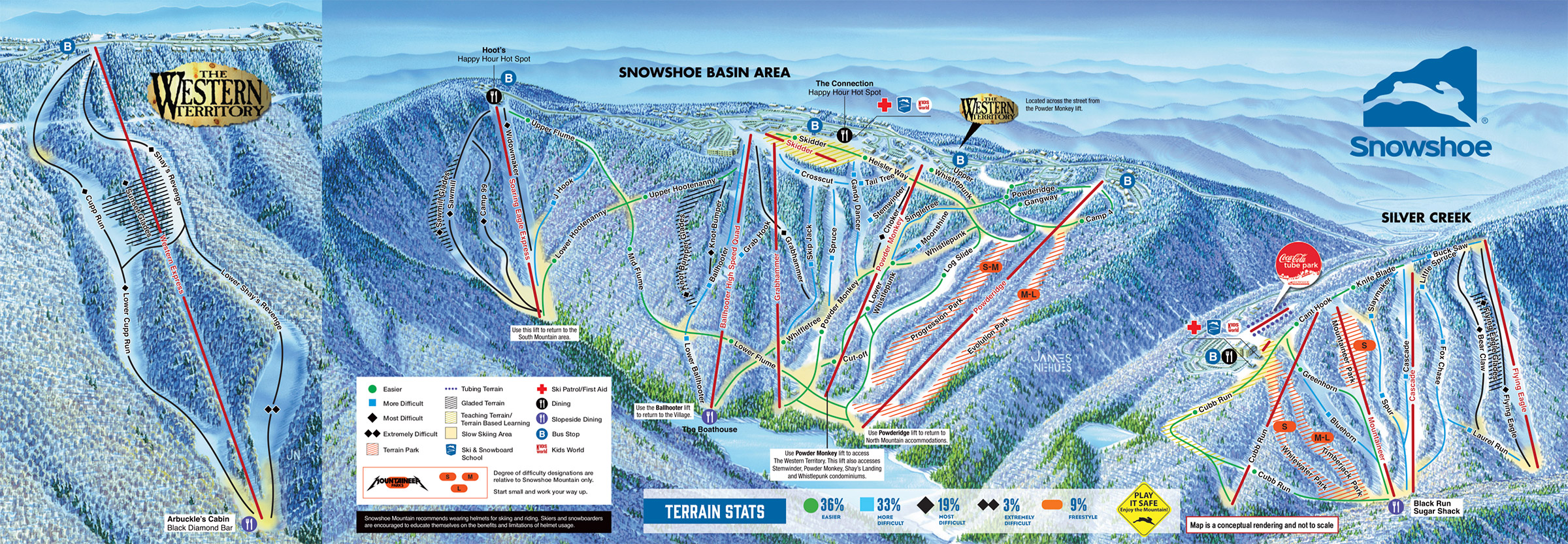
Snowshoe has 60 trails, and they’re usually all open by early January, with a handful opening before Thanksgiving. The trails are spread across three distinct areas: the main Snowshoe area, with 41 trails and an 800-foot vertical drop; the Silver Creek area, with 17 trails and a 660-foot vertical; and the Western Territory, with 2 trails and a 1,500-foot vertical. The Western Territory features Cupp Run and Shay’s Revenge, two 1.5-mile expert slopes serviced by their own high-speed lift. The Western Territory is just across the street from the main Snowshoe area. Silver Creek is down the road (and reached by a free shuttle), featuring tamer trails and usually less crowds. Silver Creek is home to the Ruckus Ridge tubing park, a snowboard park, and is the only part of Snowshoe lit for night skiing.
On weekends, the main Snowshoe area can become very crowded (with the base of the Ballhooter Express chairlift becoming a painful choking point), but the Western Territory and Silver Creek areas are usually less crowded. If you can swing a trip to Snowshoe mid-week, you’ll find significantly discounted prices and might have the slopes to yourself.
As a full-blown destination resort, Snowshoe doesn’t lack amenities. There are over a dozen dining establishments, including one nightclub. Snowshoe rents out over 1,400 condominium and lodge rooms, covering a variety of price points from economy to luxurious. There are also many winter activities that do not involve skis and snowboards, such as snowmobiling and snowshoeing.
Photo provided by Snowshoe Mountain Resort.
| Resort Name: | Snowshoe Mountain Resort |
| Vertical Drop: | 1,500 feet |
| Base Altitude: | 3,348 feet |
| Peak Altitude: | 4,848 feet |
| Trails: | 60 Trails:
|
| Skiable Acres: | 270 |
| Longest Run: | 1.5 miles |
| Lifts: | 14 (Including 3 high-speed quads, 2 handle tows, 2 Magic Carpets) |
| Night Skiing: | 75% of Silver Creek area (12 slopes) is lit for night skiing. |
| Terrain Park: | Snowshoe has multiple terrain parks at both the main Snowshoe area as well as the Silver Creek area. Parks at Silver Creek are lit for night riding. |
| Tubing Park: | An 8-lane tube park is located at the Silver Creek area. |
| Address: | 10 Snowshoe Drive Snowshoe, WV 26209 |
| Phone: | (877) 441-4386 |
| Social Media: |   |
| Webcams: | View resort webcams |
| Web Site: | http://www.snowshoemtn.com/ |
| Directions: | Via Google Maps |

| Humidity: | 68% | Visibility: | 10.00 |
| Wind Speed: | 0 mph | Sunrise: | 6:50 a.m. |
| Barometer: | 30.07 in | Sunset: | 7:49 p.m. |
| Dewpoint: | 73 °F | Heat Index: | 92° F |



Weather supplied by the National Weather Service. Errors or reporting delays may be possible.
 September 1, 2026 - How much will it cost to get on the slopes this winter? The question has become surprisingly difficult to answer as date-specific ticket prices, advance-purchase discounts, passes, rentals, lessons, food, and travel send each skier’s total in a different direction. DCSki examines the prices Mid-Atlantic skiers are likely to encounter during the 2026-2027 season and offers some practical ways to keep the bill under control.
 August 30, 2026 - Fall brings a different kind of activity to Mid-Atlantic ski resorts, with Oktoberfests, foliage chairlift rides, mountain biking, live music, arts festivals, and even a celebration devoted to Bigfoot. DCSki rounds up some of the events worth checking out this fall as the mountains begin their gradual transition toward winter.
 August 29, 2026 - Buying a ski pass used to mean choosing a home mountain. And that was pretty much it. Today, Mid-Atlantic skiers must sort through national products, regional passes, reciprocal agreements, limited-day packages, blackout dates, and prices that change several times before winter. It can be overwhelming! DCSki tries to break through the confusion by examining the leading options for 2026-2027 and the skiers each one serves best.
 August 27, 2026 - One of the strongest El Niño events in the modern record is developing ahead of the 2026-2027 ski season, increasing the odds of an active, moisture-rich storm track across the East. DCSki looks at the latest forecasts, lessons from past El Niño winters, and the factors that could determine whether that moisture arrives at Mid-Atlantic ski areas as snow or rain.
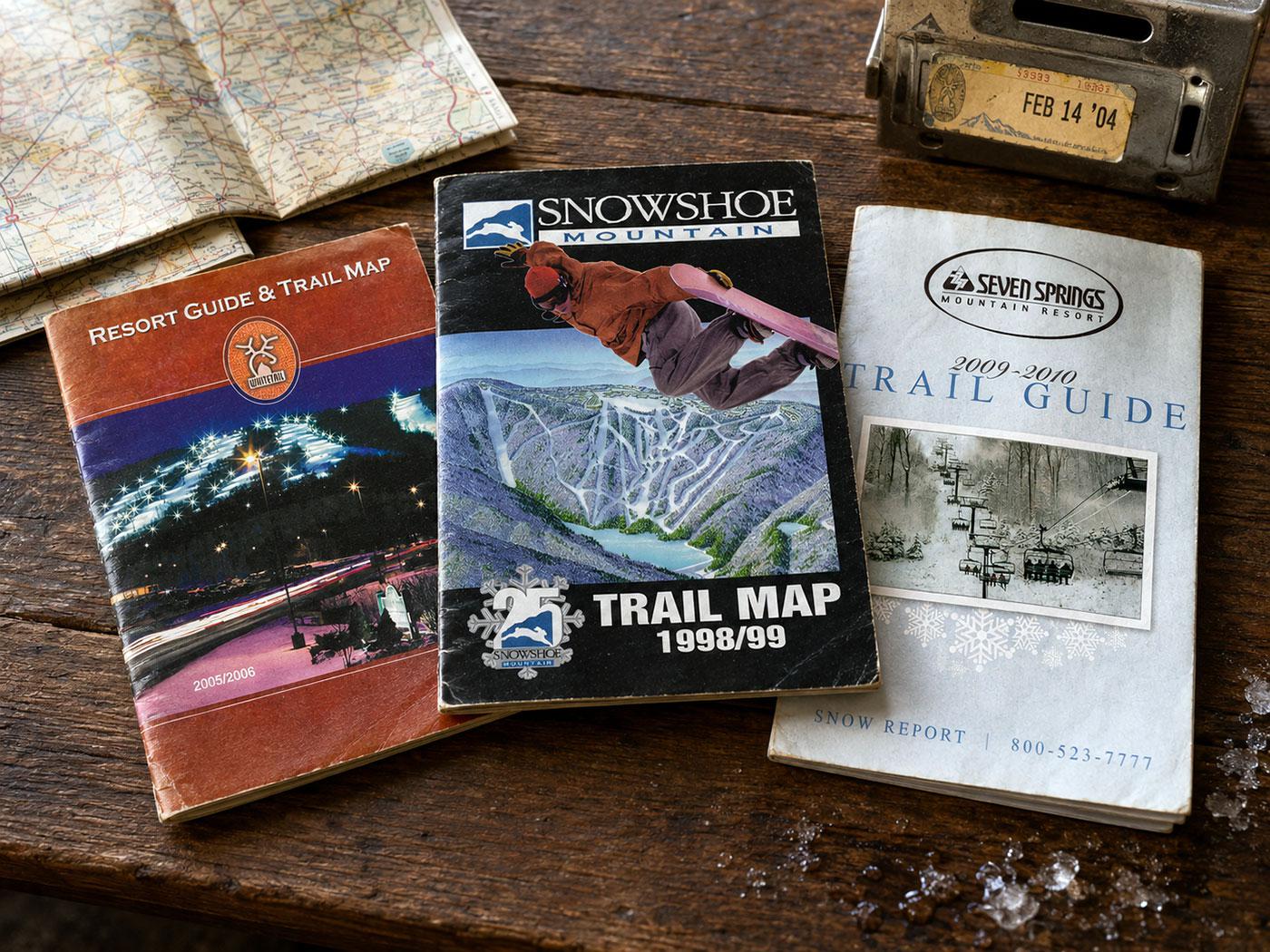 August 24, 2026 - Before webcams, navigation apps, digital lift passes, and group texts, Mid-Atlantic skiers relied on snow phones, paper trail maps, printed directions, and carefully chosen meeting places. This retrospective recalls the uncertainty and occasional adventure of skiing before the smartphone while considering how modern technology has made trips safer, easier, and better documented.
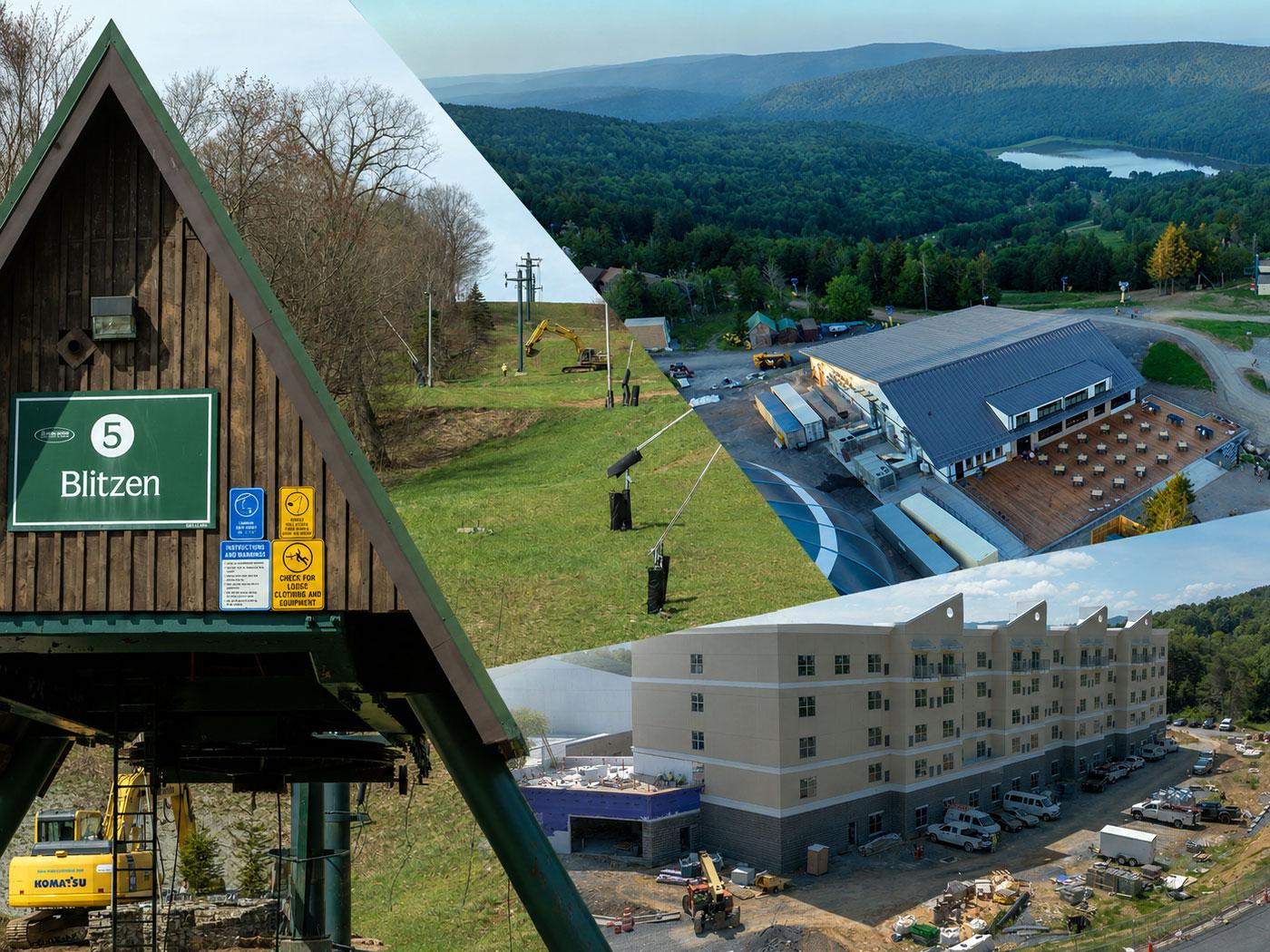 August 19, 2026 - Mid-Atlantic ski resorts are preparing for the 2026-2027 winter season with new lifts, expanded snowmaking systems, improved skier facilities, and major lodging projects. DCSki takes a closer look at the enhancements and upgrades underway across the region at resorts such as Seven Springs, Wisp, Wintergreen, Snowshoe, and Massanutten.
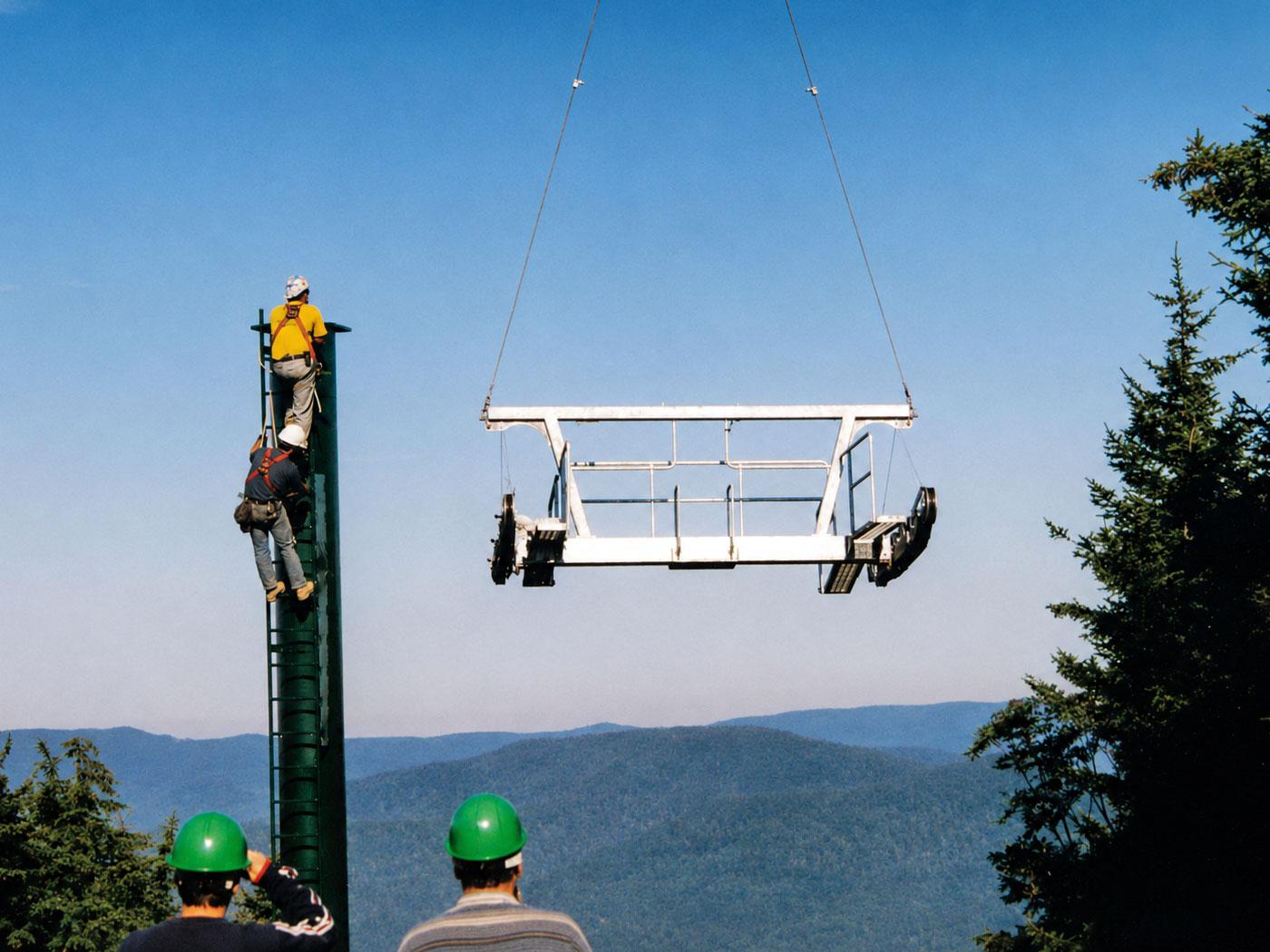 August 16, 2026 - After purchasing Snowshoe in 1995, Intrawest invested heavily in new lifts, terrain, snowmaking, lodging, and a mountaintop village. Featuring newly scanned photographs of the Western Express installation, this retrospective revisits the excitement surrounding Snowshoe’s transformation and the real-estate-driven strategy behind it.
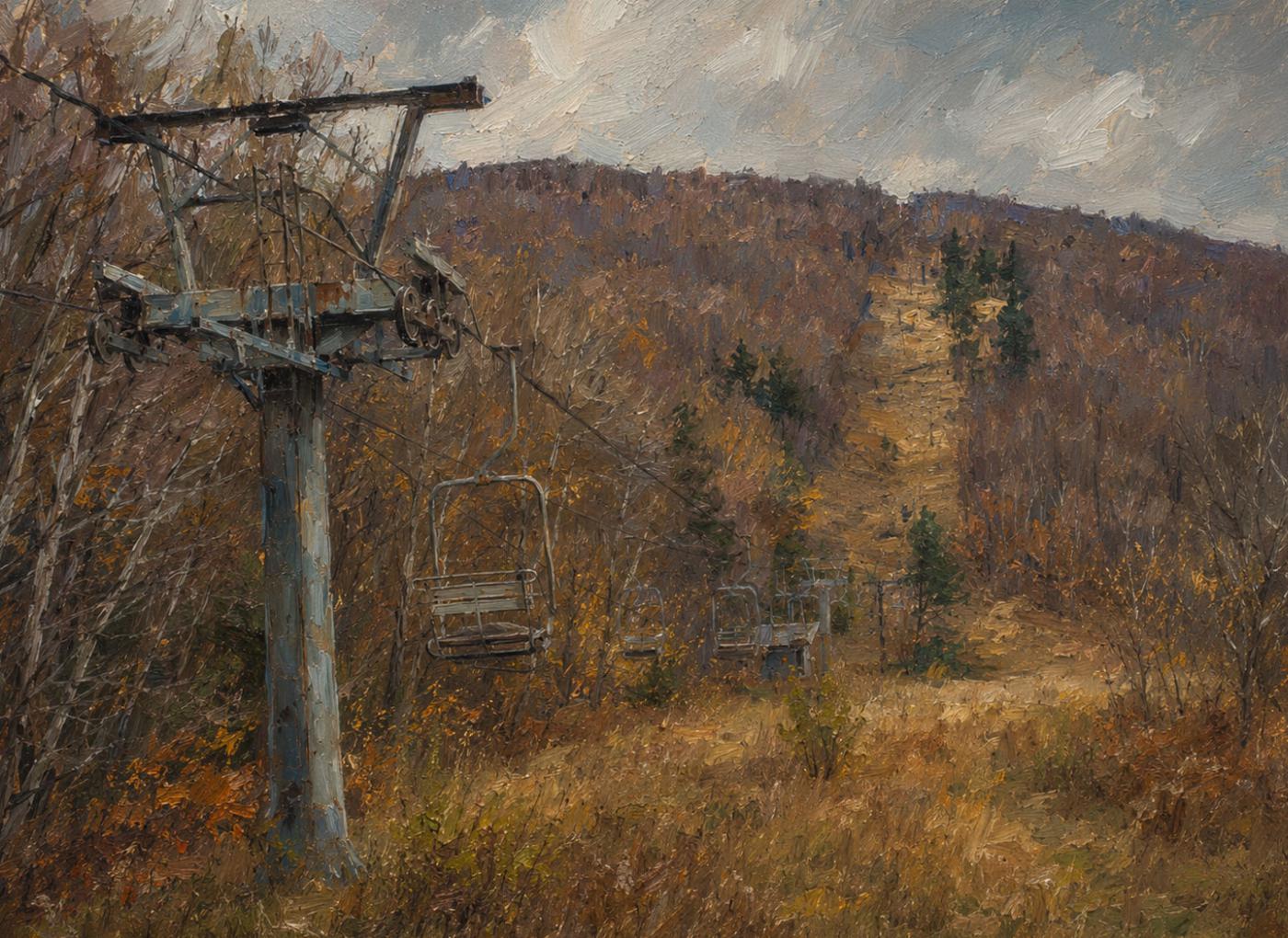 July 23, 2026 - Once scattered across the Mid-Atlantic, hundreds of community ski hills, residential resorts, and ambitious mountain developments introduced generations to snowsports. Drawing on DCSk’s Lost Ski Areas archive and readers’ memories, this feature story traces their rise and decline, the forces that reshaped the regional ski industry, and the advantages that helped today’s resorts endure.
 July 18, 2026 - The powerful 1997-1998 El Niño brought warmth, rain, abbreviated operations, and lasting financial consequences to Mid-Atlantic ski areas. DCSki looks back at that difficult season, explores the financial risks of betting a year-round business on a few winter months, and considers whether the developing 2026-2027 El Niño might deliver rain, snow, or something in between.
 July 17, 2026 - Once the snow melts and the lifts stop spinning, many Mid-Atlantic ski areas become remarkably quiet. DCSki takes a behind-the-scenes look at the lift maintenance, snowmaking repairs, trail work, construction projects, and advance planning that prepare the mountain for another all-too-brief winter season.